![[2026 Egypt Travel Guide] Bahariya Oasis Tour: Where Desert Bread Bakes in Ancient Sand (Food & History)](https://boddatours.me/images/fallback-post.png)
Bahariya Oasis Tour: The Scent of Bread Rising Before Dawn
You smell it before you see the oven. That warm, yeasty breath rising from a clay dome buried in sand — this is how Bahariya wakes up. I've stood in the cool dark before sunrise, hands wrapped around a glass of sweet tea, watching Farid pull golden loaves from the ground. No timer. No thermometer. Just generations of knowing.
A Bahariya Oasis tour isn't about checking off sights. It's about sitting on a woven mat while the desert wind carries stories older than the pyramids. The oasis has fed travelers for three thousand years. Alexander the Great drank its wine. Roman soldiers guarded its caravan routes. Today, the same date palms shade the same mud-brick lanes where children chase goats between ancient tombs.
I'm Bodda. Born in Cairo, raised on these streets, and I've driven the desert road to Bahariya more times than I can count. Every trip teaches me something new about how this place holds its history — not in museums, but in daily rituals. The way a grandmother presses dough. The rhythm of Arabic poetry recited over simmering tagine. The silence of the White Desert at midnight when stars fall so close you could swear they're dates dropping into your palm.
This guide walks you through what a Bahariya Oasis tour from Cairo actually feels like. The flavors. The legends. The layers of civilization stacked like sediment. And why traveling with someone who calls this desert home changes everything you taste and hear.
Where the Desert Meets the Vine: Bahariya's Pharaonic Wine Legacy
Most visitors expect dates. They don't expect wine presses carved into limestone hillsides.
Bahariya — known in antiquity as Wahat al-Bahariya (the Northern Oasis) and to the Greeks as Oxyrhynchus — was Egypt's wine country long before the Nile Delta claimed that title. The 26th Dynasty (664–525 BCE) turned this depression in the Western Desert into a viticultural powerhouse. Archaeologists have uncovered over 500 rock-cut wine presses, fermentation vats, and storage chambers honeycombing the Gebel al-Dist ridge. Some vats still hold the purple ghost of grape skins crushed two millennia ago.
I remember the first time I touched one. My fingertips found grooves worn smooth by generations of bare feet treading grapes. The air in those chambers stays cool even in August — natural refrigeration engineered by people who understood thermodynamics before the word existed.
Herodotus wrote of Bahariya's wine in the 5th century BCE. Strabo praised its quality in the 1st century CE. The oasis supplied the tables of Memphis, Thebes, and eventually Rome. Amphorae stamped "Bahariya" have been found in shipwrecks off Alexandria, in Roman military camps along the Danube, even in a villa near Pompeii.
Then Islam arrived in the 7th century. Vineyards became date groves. The presses fell silent. But the knowledge didn't vanish — it transformed. The same hands that once crushed grapes learned to coax sweetness from dates, to press oil from olives brought by Siwan traders, to ferment honey into nabidh, a mild mead still made quietly in some homes.
On a private Bahariya Oasis tour, I take guests to a press site most tours skip. We sit in the shade of an acacia tree, and I pour tea from a silver pot while explaining how the ancient irrigation channels — qanats tapping the Nubian Sandstone Aquifer — still feed the palms overhead. Water that fell as rain in the Sudanese highlands ten thousand years ago now rises to meet a traveler's lips. That connection — deep time made drinkable — is what makes this oasis alive.
The Golden Mummies: When Death Wore Gold Leaf
In 1996, a donkey stumbled into a hole near Bawiti, Bahariya's main town. Its leg broke through the ceiling of a tomb untouched since the Greco-Roman period. What emerged rewrote our understanding of provincial Egyptian burial customs.
The Valley of the Golden Mummies — Wadi al-Mumiyat al-Dhahabiya — holds over 10,000 mummies across six square kilometers. Four tombs have been excavated so far. The rest sleep under sand, waiting.
These aren't royal mummies. They're merchants, priests, artisans, families who prospered from the wine trade and caravan taxes. Their gilded masks stare with eyes of obsidian and faience. Some wear crowns of golden laurel leaves — a Greek touch. Others bear the winged sun disk of Horus. The fusion is seamless. A child's sarcophagus shows Anubis in Roman armor. A woman's cartonnage depicts Nut swallowing the sun, her body arched over hieroglyphs written in demotic and Greek.
I've walked those corridors with the site's chief inspector, Dr. Zahi Hawass's former deputy. He pointed to a mummy's fingers — gold foil wrapped each digit individually. "They believed the ba needed golden fingertips to type its name in the Book of Life," he smiled. "Or maybe they just wanted to shine forever. Wouldn't you?"
The site museum in Bawiti displays a rotating selection. Photography is forbidden inside the tombs — flash degrades the organic resins. But standing in the cool dark, flashlight beam catching gold leaf on a 2,000-year-old cheek, you understand why the ancients called this place Per-Wadjet, "House of the Green One." The cobra goddess protected the living and dead alike here.
A Bahariya Oasis tour with Bodda Tours includes early access before tour buses arrive. We move at your pace. Linger at a mask that moves you. Ask questions without a schedule pushing you forward. The desert doesn't rush. Neither should you.
Bread Baked in Sand: The Morning Ritual That Feeds the Oasis
Before the sun clears the escarpment, the women of Bahariya are already working.
Libbah — the traditional flatbread — requires three things: flour ground from local wheat, water from the artesian wells, and patience. The dough rises overnight in clay bowls covered with embroidered cloths. At first light, women shape rounds the size of dinner plates, dimpling the centers with fingertips to catch oil later.
The oven is a tabun: a clay dome heated by burning palm fronds and dried dung. Once the walls glow white-hot, the ashes are swept aside. Bread slaps against the curved interior, sticking like pale moons. Two minutes. Three. The crust blisters, the center puffs. A long metal hook retrieves each loaf, steam curling into cold air.
I've eaten libbah still hot enough to burn my fingertips, torn and dipped in dukkah — toasted coriander, cumin, sesame, salt — mixed with golden Bahariya olive oil. The oil comes from trees planted by Italian prisoners of war during World War II, tended now by their grandchildren's Egyptian neighbors. History tastes like pepper and grass and smoke.
Breakfast spreads include feteer meshaltet — flaky layered pastry brushed with smen (aged clarified butter) and honey from desert bees that pollinate sidr trees. Gibna bayda, soft white cheese curdled with lemon juice and strained in muslin. Dates stuffed with walnuts. Mint tea poured from height to foam.
On a Bahariya Oasis tour from Cairo, we arrange a home breakfast with a family in Mandisha village. No performance. No staged "cultural experience." Just Fatima and her daughters setting an extra place at their table. You'll wash your hands from a shared brass ewer. Eat with your right hand. Listen to the radio playing Umm Kulthum from a crackling speaker. This is the real oasis. Not the one in brochures.
Black Desert, White Desert: Where the Earth Shows Its Bones
Fifty kilometers south of Bawiti, the ground turns alien.
The Black Desert — Al-Sahra al-Sawda — isn't sand. It's volcanic dolerite, basalt boulders scattered like cooled embers across a plain of golden dust. Iron oxide stains everything the color of dried blood. Hills rise in perfect cones, erosion-sculpted over millions of years. Climbing English Mountain (Gebel al-Ingleez) at sunset, you see the White Desert glowing pale on the horizon — a promise of tomorrow.
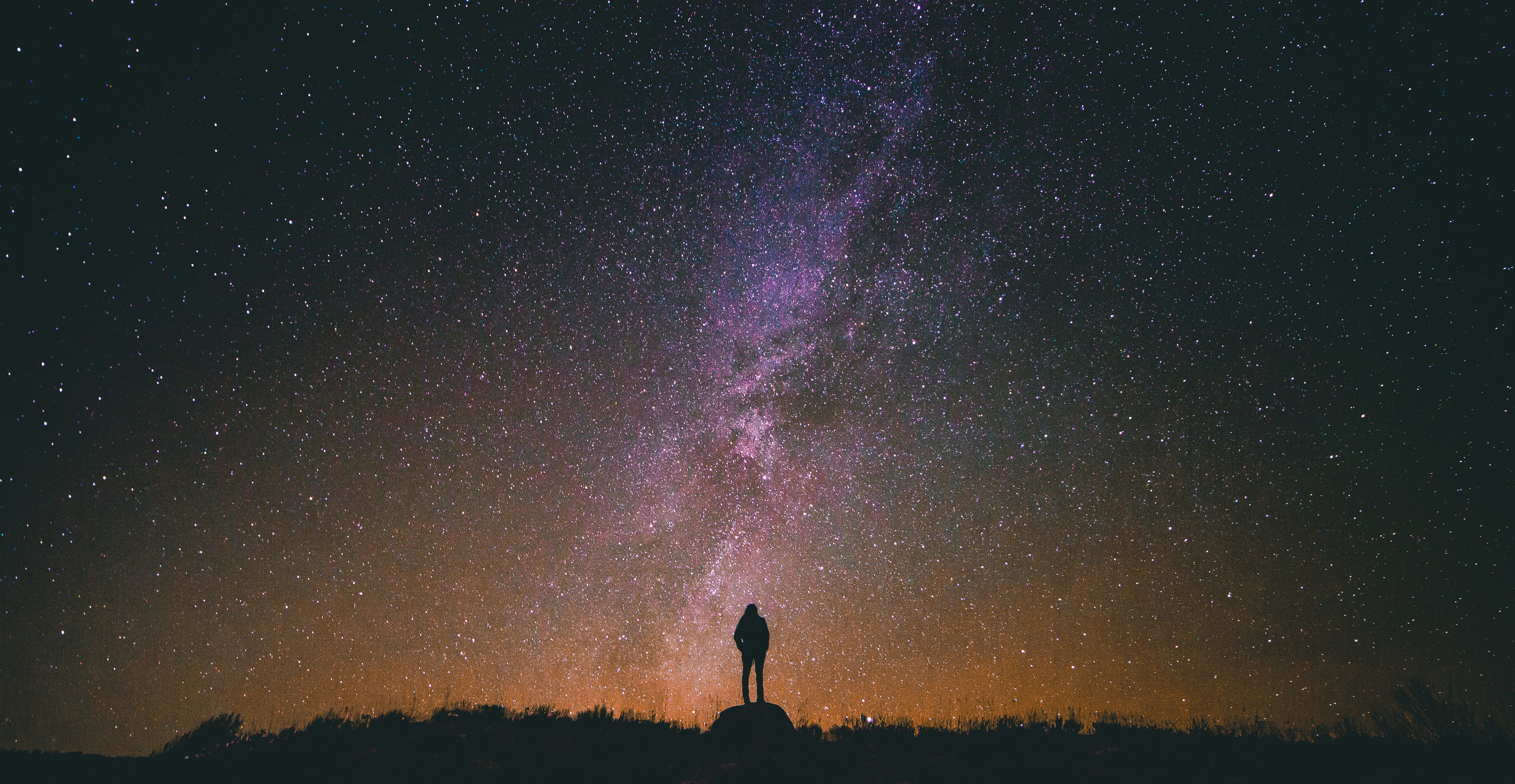
I've camped here dozens of times. The silence is physical. It presses against your eardrums. At night, fennec foxes circle the fire, eyes reflecting flames. Their tracks in morning sand look like tiny handprints. Bedouin guides read those tracks like newspapers — who passed, when, how heavy their load.
The White Desert — Al-Sahra al-Bayda — is chalk. Calcium carbonate sculptures carved by wind over eons. Mushrooms. Sphinxes. A chicken. A whale. Names change with each visitor's imagination. The formations glow ghostly under moonlight. Sleeping under them, you dream in geometries.
Crystal Mountain (Gebel al-Izzaz) sits between them — a ridge of quartz crystals catching sun like scattered diamonds. Geologists say it's a hydrothermal vent fossilized. Bedouin say it's where a jinn princess dropped her necklace fleeing a mortal lover. I believe both.
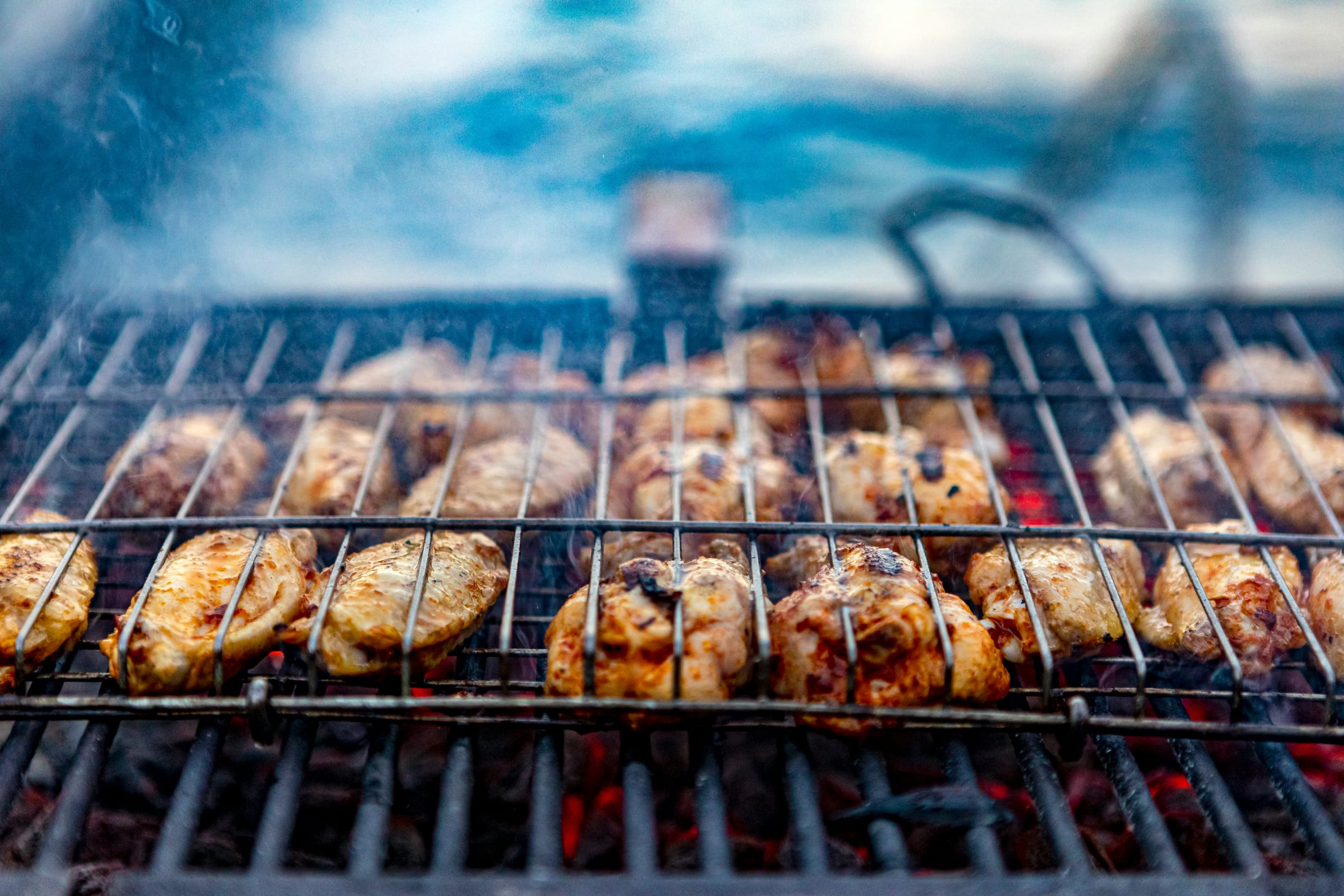
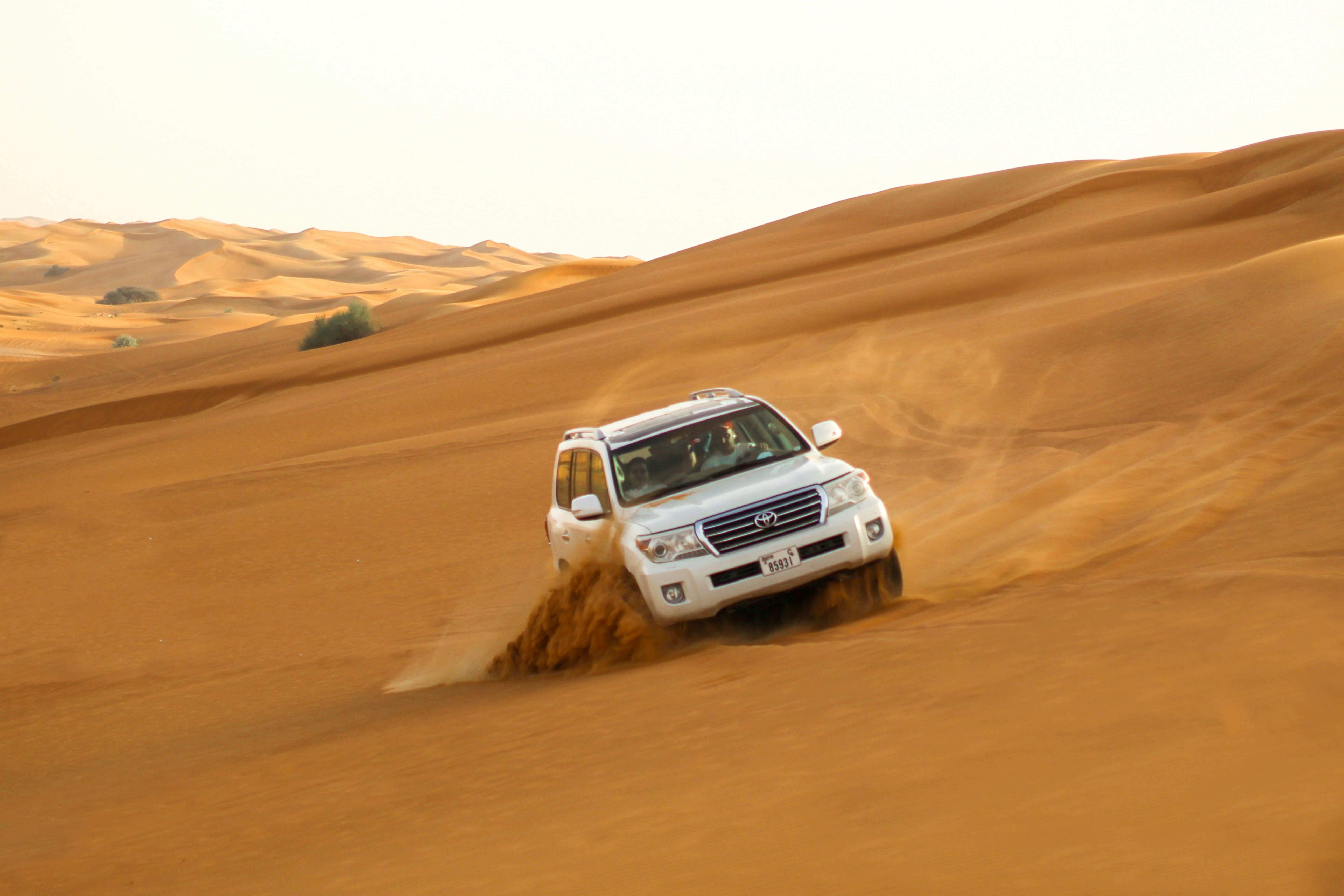
A desert safari tour with Bodda Tours uses real 4x4 jeeps, not the tuktuk "safaris" some operators sell. Those three-wheeled toys break down in deep sand. They lack roll cages. They're a scam dressed as adventure. Our vehicles carry recovery gear, satellite phones, drivers who've navigated these wadis since childhood. We camp in Bedouin-style tents with proper bedding, not thin mats on rock. Dinner is grilled chicken, rice with vermicelli, salad chopped fresh — cooked over coals while the guide tells stories of the afrit (desert spirits) who guard hidden wells.
Hot Springs That Healed Roman Soldiers
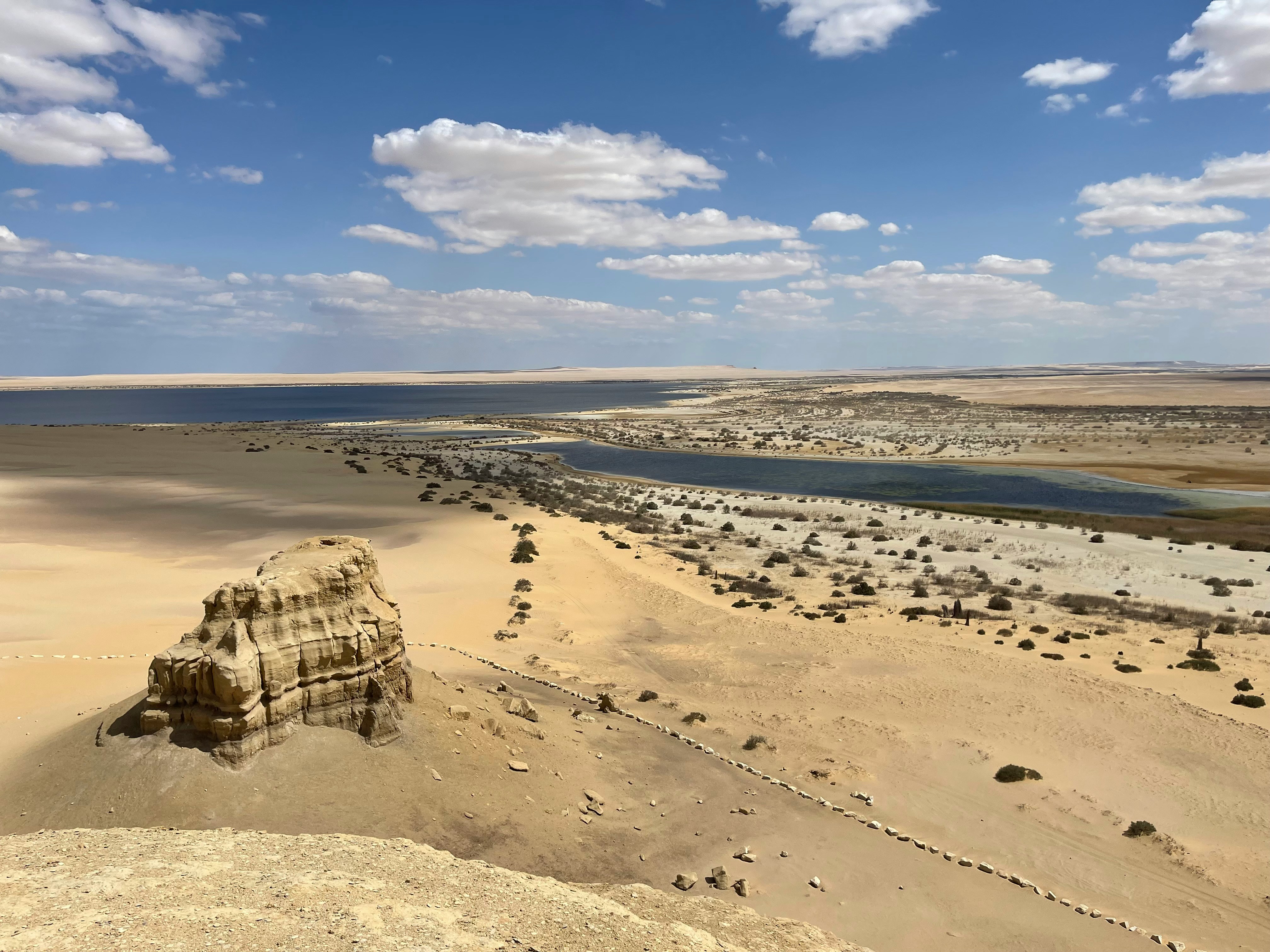
Bahariya sits atop the Nubian Sandstone Aquifer System — one of Earth's largest fossil water reserves. Pressure forces mineral-rich water upward through faults, emerging at 35–45°C (95–113°F). The Romans built bathhouses over the strongest springs. Their hypocaust foundations still warm the sand.
Bir al-Matar (Spring of Rain) bubbles beside the main road. Locals believe its sulfur water cures rheumatism, skin conditions, infertility. I've seen a 70-year-old farmer lower himself in with a groan, emerge twenty minutes later moving like a man thirty years younger. Whether mineral chemistry or faith matters less than the ritual — generations trusting the same water.
Bir al-Ghaba (Spring of the Forest) hides in a palm grove. Its pool is shaded, cooler, perfect for midday. Dragonflies skim the surface. The air smells of wet earth and date blossoms. This is where I bring guests who've spent hours in the White Desert's glare. Watch tension dissolve. Shoulders drop. Breath deepens.
On a private Egypt desert tour, we time spring visits for late afternoon. Light slants through palms. Water steams. You float, desert dust washing away, hearing only palm fronds rustling and distant calls to prayer from Bawiti's mosque. This is luxury no five-star spa replicates — nature's own therapy, free and ancient.
Bedouin Hospitality: The Code That Survives Empires
"The guest is God's guest for three days." The Bedouin proverb isn't metaphor. It's law.
The Awlad Ali and Mzeina tribes have roamed these depressions since the 13th century, fleeing Mamluk conscription in the Nile Valley. They brought camel lore, star navigation, poetry traditions, and a hospitality code stricter than any contract. A stranger at your tent receives food, water, shelter, protection — no questions asked for seventy-two hours. After that, they're family or they leave in peace.
I've lived this code. Once, my vehicle broke down near Gebel al-Dist at midnight. No phone signal. A Bedouin family appeared from nowhere — they'd seen my dust trail hours earlier and tracked me. They fed me goat stew, gave me their only blanket, woke at dawn to help repair the radiator hose with a piece of inner tube and wire. Refused payment. "Allah sent you to us. We serve Allah."
That night, the elder recited qasidah — classical Arabic poetry — by firelight. Verses about lost camels, faithful horses, lovers separated by dunes. The meter is complex, the imagery dense. He translated line by line: "The desert teaches brevity. Every word must carry water weight."
On a Bahariya Oasis tour, our Bedouin guides share this world willingly. Not as performance. As inheritance. You'll learn to read wind in tamarisk leaves. Identify edible desert plants — rimth (saltbush), shnan (wormwood), hammad (glasswort). Brew tea the Bedouin way: sage, habak (wild mint), sugar cracked from a cone, boiled three times in a soot-blackened kettle.
The tea ritual has rules. Three glasses minimum. First is "bitter as life." Second "sweet as love." Third "gentle as death." Refusing the third insults the host. I've seen hardened travelers weep over that third glass — the weight of unconditional welcome cracking something open.
Tunis Village: Where Pottery Meets the Desert Wind
Technically Fayoum, but reachable on an extended Bahariya Oasis tour — Tunis Village sits where the desert kisses Lake Qarun. Swiss potter Evelyne Porret founded a ceramics school here in the 1980s. Today, fifty workshops line sandy lanes. Kilns smoke at dusk. Clay from the lakebed spins into forms both traditional and modern.
I love watching master potter Ahmed throw a zeer (water jar) in five minutes. His hands know the clay's memory — how it shrinks, where it cracks, which firing temperature yields the perfect porosity for evaporative cooling. Water in a zeer stays cold even in July. Ancient technology outperforming plastic.
The village smells of wet earth and woodsmoke. Cats sleep on bags of glaze minerals — cobalt, copper, iron oxide. Children play among drying pots, careful not to touch. Visitors can throw their own piece, fire it, take it home. But the real gift is sitting with Ahmed over tea, hearing how the 2011 revolution brought tourists back — Egyptians discovering their own heritage when foreigners stopped coming.
Bodda Tours combines Bahariya and Fayoum in multi-day Egypt desert tours. The contrast sharpens both: Bahariya's golden isolation, Fayoum's green lake edge. Valley of the Whales (Wadi al-Hitan) — UNESCO World Heritage site — lies between them. Forty-million-year-old basilosaurus skeletons emerging from sandstone, whales with hind legs, evolution frozen in stone.
Dates: The Currency That Built Civilizations
Bahariya produces fifteen date varieties. Each has its season, its purpose, its poetry.
Gundaila — soft, honeyed, melting. Eaten fresh from the palm. Saidi — firmer, caramel notes, perfect for stuffing with almonds. Zahidi — golden, semi-dry, the traveler's date — keeps for months in saddlebags. Barhi — eaten yellow and crunchy like apples, a seasonal delicacy lasting three weeks.
Date palms are male and female. Pollination is manual — climbers dust female flowers with pollen from male spathes. A dangerous dance fifty feet up. I've watched Sayyid, a third-generation climber, move through crowns like a monkey. He sings while working — old work songs timing each motion. "The palm feels fear," he says. "If you rush, the fruit tastes of it."
Harvest (September–November) transforms the oasis. Families camp in groves. Children sort dates on woven mats. The air thickens with sweet fermentation. Agwa (date paste) simmers in copper cauldrons, stirred with palm-wood paddles. Date molasses — dibs — drips through cloth filters, thick and black as midnight.
On a Bahariya Oasis tour from Cairo during harvest, we join a family's mawsim (harvest celebration). You'll taste dates warm from the sun, still on the strand. Learn to grade by touch — the slight give of perfect ripeness. Hear stories of the 1967 war when Israeli planes bombed the oasis, and date palms shielded families in their shade. The trees remember. Sayyid swears the Gundaila from that grove taste sweeter, "fed by martyrs' tears."
Olive Oil from Trees Planted by Prisoners
Bahariya's olive groves have an unlikely origin.
During World War II, Italian POWs were interned near Bawiti. They recognized the climate — similar to Sicily, Calabria. They grafted Italian cultivars onto wild desert olive rootstock. Frantoio. Leccino. Moraiolo. The hybrids thrived.
After the war, some Italians stayed. Married local women. Their descendants still tend those groves. The oil is distinctive — green-gold, peppery finish, low acidity. Small-batch, cold-pressed in a stone mill powered by a donkey walking in circles. The donkey's name is Habibi. He knows the rhythm. Stops when the paste reaches the right texture.
I buy oil directly from the Rossi-Mahmud family. Their label reads "Olio di Bahariya — منذ 1943" (Since 1943). On tours, we visit their press. Taste oil drizzled on warm libbah with a pinch of sea salt from Siwa. The pepper bite blooms, then fades to artichoke, green almond, fresh grass. This is terroir — desert terroir — in a spoon.
No commercial distribution. What they produce stays in the oasis or travels with guests who understand. A private Egypt tour with Bodda Tours includes this tasting. Not a shop stop. A family invitation.
Legends Whispered in the Date Groves
Every oasis has its unseen residents.
Bahariya's afrit are particular. They guard wells. Punish those who waste water. Reward those who share bread. The most famous is Umm al-Subyan (Mother of Children) — a female spirit who protects infants but steals unattended toddlers, leaving changelings that cry all night. Mothers tie blue beads on cribs. Fathers recite Ayat al-Kursi (Quran 2:255) over sleeping children.
There's the Golden Gazelle — seen only by the pure-hearted near Crystal Mountain at dawn. Follow it, legend says, and you'll find a spring that never fails. Three Bedouin claim to have seen it. None found the spring. "The gazelle tests," says elder Sheikh Faraj. "Finding water is easy. Keeping faith in the search — that's the gift."
Alexander the Great supposedly visited the Temple of Amun at Bahariya (now called Qasr al-Miqisbah) in 331 BCE, en route to Siwa's oracle. The temple's sanctuary aligns with the spring equinox sunrise. Light strikes the naos (inner shrine) exactly once a year. Priests claimed Amun whispered Alexander's divine parentage here first — Siwa confirmed it. The temple's reliefs show Alexander as pharaoh, offering wine to Amun. The wine jars are painted with Bahariya's distinct grape variety — long, thin, thick-skinned.
I've stood in that sanctuary at equinox. The light arrives like a blade. Dust motes dance in gold. For three minutes, the stone god illuminates. Then shadow reclaims the chamber. Whether Alexander stood here matters less than the thousands who have since — each seeking their own oracle in the silence.
Best Time to Visit Bahariya Oasis
October through April. Days 20–28°C (68–82°F). Nights 8–15°C (46–59°F). Desert blooms after winter rains — wildflowers carpeting wadis in yellow, purple, white. Migratory birds pause at springs — hoopoes, bee-eaters, wheatears.
May–September brings 35–45°C (95–113°F) days. Nights stay warm. Fewer visitors. Dates ripen. If you tolerate heat, summer offers solitude and harvest energy. Ramadan transforms evenings — lanterns, communal iftars, Quran recitation echoing from minarets. A different magic.
Spring equinox (March 20–21) and autumn equinox (September 22–23) align with the Temple of Amun's solar phenomenon. Book early — limited access.
How to Reach Bahariya Oasis from Cairo
370 km southwest. Four to five hours by road depending on traffic leaving Cairo.
The desert highway (Cairo–Bahariya Road) is paved, well-maintained, patrolled. Scenery shifts: urban sprawl → agricultural belt → limestone plateau → sudden drop into the depression. Palms appear like mirage made real.
No commercial flights. No train. Private vehicle is the only comfortable option. Shared microbuses exist from Cairo's Giza station — crowded, no AC, unpredictable schedules. Not recommended for travelers seeking comfort.
Bodda Tours provides door-to-door service from your Cairo hotel or airport. Modern air-conditioned vehicles. Professional drivers who know every checkpoint, every rest stop with clean facilities, every viewpoint worth pausing for. The journey becomes part of the experience — not endurance.
What to Wear in Bahariya Oasis
Respect shapes dress code more than weather.
Women: Loose clothing covering shoulders, chest, knees. Long skirts or trousers. Light scarf for mosque visits or conservative villages. No need for full abaya or hijab unless entering religious sites.
Men: Long trousers. Shirts with sleeves. No tank tops in villages.
Both: Sturdy closed shoes for desert walking. Sandals for camp. Wide-brim hat. Sunglasses. Light jacket for winter nights. Modesty isn't oppression — it's cultural fluency. Dressing appropriately opens doors. Shorts and sleeveless tops close them.
Is Bahariya Oasis Worth Visiting?
Yes. Unequivocally.
Not for Instagram backdrops — though the White Desert delivers those effortlessly. Not for luxury — though camping under billions of stars redefines the word.
Worth it for the bread baked in sand. The oil from trees planted by enemies who became family. The mummies wearing gold leaf like jewelry. The Bedouin elder who tracks foxes by starlight and recites poetry about longing. The spring where Roman soldiers soaked wounds and modern farmers soak arthritis. The date that tastes like honey because the climber sang to the palm.
Bahariya isn't a destination. It's a conversation with deep time. You listen. You taste. You leave changed.
Nearby Wonders: Extend Your Journey
Bahariya connects naturally to:
- Siwa Oasis — 300 km west. Oracle of Amun, Cleopatra's Spring, Shali Fortress, salt lakes, Great Sand Sea. Bodda Tours offers 2-day and 3-day Siwa Oasis private tours from Cairo or combined with Bahariya.
- Fayoum Oasis — 200 km northeast. Valley of the Whales UNESCO site, Magic Lake, Wadi El-Rayan waterfalls, Tunis pottery village. Perfect Fayoum day trip from Cairo or overnight.
- White Desert National Park — directly accessible from Bahariya. Chalk sculptures, camping, stargazing.
- Black Desert — volcanic hills, English Mountain vistas.
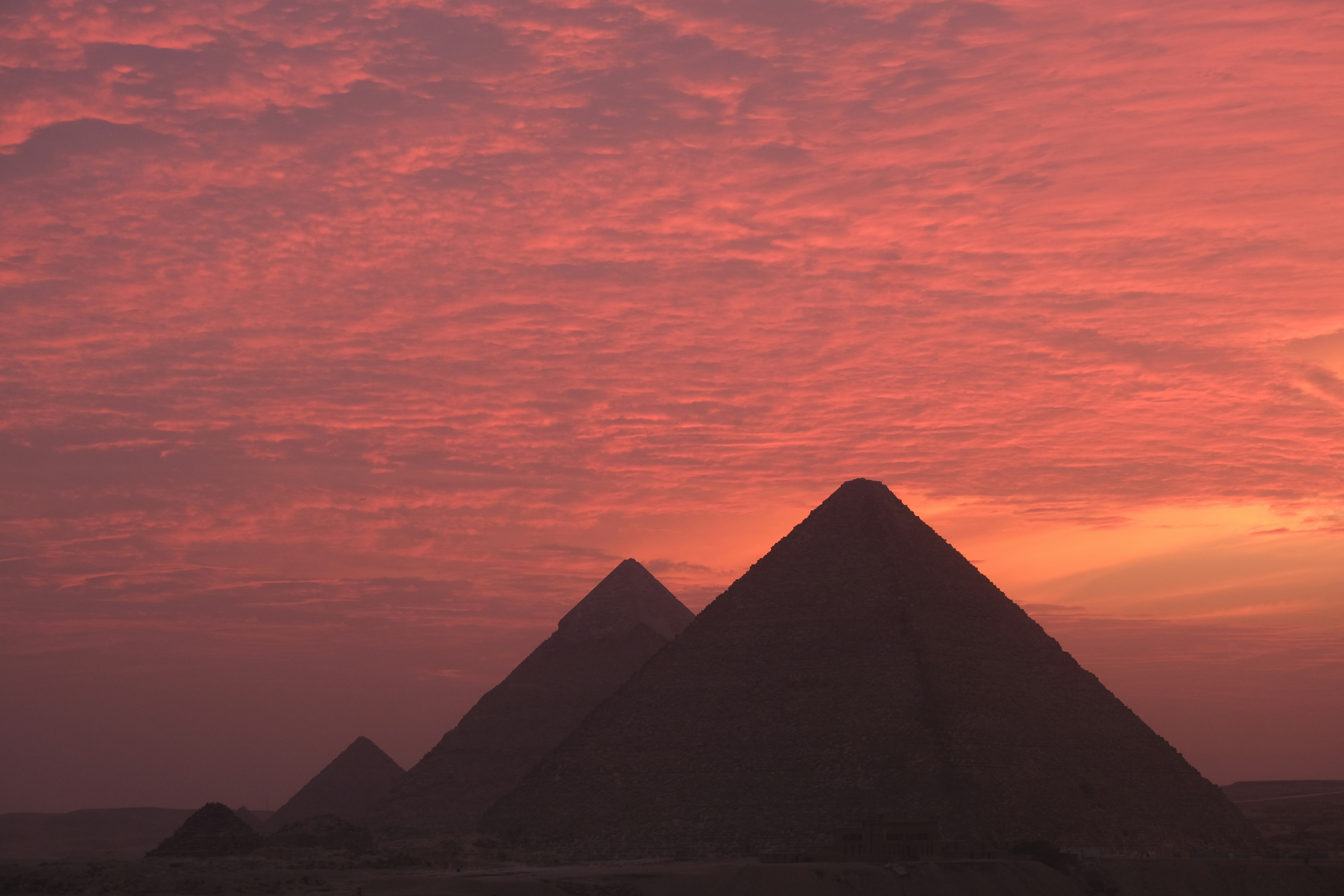
- Cairo & Giza — Pyramids, Sphinx, Grand Egyptian Museum, Khan el-Khalili, Islamic Cairo. Private day tours available.
- Luxor & Aswan — Valley of the Kings, Karnak, Philae Temple, Nubian villages. Multi-day packages combinable with desert oases.
Why Choose Bodda Tours for Your Bahariya Oasis Tour
I started Bodda Tours because I watched too many travelers eat bad food, ride broken vehicles, hear rehearsed scripts, and leave Egypt thinking they'd seen it — when they'd only scratched surfaces.
Here's what makes us different:
- 100% private tours — No shared buses. No cramped seats. No strangers' schedules. Your vehicle, your guide, your pace.
- Korean-speaking guides — Zero language anxiety. Nuance preserved. Jokes land. Questions answered fully.
- Real 4x4 jeeps for desert safaris — No tuktuk fake safaris. Some operators sell three-wheeled "safaris" that break down in deep sand. Dangerous. Uncomfortable. A scam. We use proper vehicles with professional drivers.
- Direct booking, direct service — Bodda Tours is run by real local Egyptians (me and my team). Not a middleman. Not a reseller. You book with the people who drive you, guide you, care for you.
- No commission fees, no agent markups, no hidden charges — The price you see is the price you pay. Transparent. Honest.
- Custom itineraries — Photography stops. Food preferences. Shopping time. Prayer breaks. Your rhythm.
- Real traveler reviews available — Ask us for recent guest contacts. Hear directly from people who traveled with us.
- If something goes wrong, we make it right — Compensation guarantee. Your peace of mind is our reputation.
- Fast WhatsApp response — Average under 10 minutes. Real human. Not a chatbot.
Ready to Taste the Desert?
Whether you dream of Bahariya's golden mummies, Siwa's salt lakes, Fayoum's whale valley, or a private pyramid tour at dawn — Bodda Tours is here to make it happen. Reach out anytime between 07:00–22:00 daily.
- WhatsApp: https://wa.me/201040541153
- KakaoTalk: https://open.kakao.com/o/smU92Hfi
- Email: info@boddatours.me
- Website: boddatours.me
I'll put the tea on. You bring the questions.
Sources & References
- Egyptian Ministry of Tourism and Antiquities — Bahariya Oasis Archaeological Sites Official Documentation
- UNESCO World Heritage Centre — Wadi Al-Hitan (Valley of the Whales) World Heritage Site Profile
- Wikipedia — Bahariya Oasis, Valley of the Golden Mummies, Western Desert (Egypt)
- Hawass, Zahi. "The Golden Mummies of Bahariya." Egyptian Archaeology, 2000.
- Ikram, Salima. "Death and Burial in Ancient Egypt." American University in Cairo Press, 2015.
![[2026 Egypt Tours] Siwa Oasis Honest Review (Desert Safari & History)](https://boddatours.me/images/hq/siwa-salt-lake-hq.jpg)