![[2026 Egypt Culture] Bedouin Tea by the Sinai Campfire: Proverbs, Hospitality & the Desert’s Timeless Rituals](https://boddatours.me/images/fallback-post.png)
Why This Isn’t Just a Desert Trip — It’s a Lesson in Humanity
I remember the first time I sat cross-legged on a woven rug in the middle of the Sinai desert, watching an old Bedouin man pour tea from a brass pot that had been passed down for generations. The fire crackled, the wind carried the scent of sagebrush, and he said something in Arabic that made the whole group fall silent. Later, one of the travelers asked me what he’d said. I translated: "The desert teaches patience, but it also rewards those who listen." That moment wasn’t about seeing a landmark. It was about feeling the pulse of a culture that’s survived here for centuries.
This is what Egypt offers beyond the postcard sights. It’s the kind of experience that lingers long after the trip ends—the kind that makes you realize history isn’t just in museums. It’s in the way people sit together, share food, and pass down wisdom through stories. If you’ve ever wanted to understand Egypt’s soul, not just its sand, this is where you start.
────────────────Sinai’s Bedouin: Keepers of the Desert’s Fire and Memory
When most travelers think of Egypt’s deserts, they picture the golden dunes of the Western Desert or the stark beauty of the White Desert. But the Sinai? That’s where the land still breathes with Bedouin life. These aren’t just people who live in the desert—they’re people who belong to it. Their traditions are woven into the very fabric of the land, from the way they navigate by the stars to the proverbs they use to teach wisdom.
The Bedouin of Sinai have called this rugged peninsula home for over a thousand years. They trace their roots to the ancient tribes of Arabia, but their identity is uniquely Egyptian. They’ve survived invasions, droughts, and even the modern pressures of tourism, all while holding onto their way of life. And the most sacred part of that life? Hospitality.
The Arabic word for hospitality is diyafa, and it’s not just a concept here—it’s a duty. A traveler arriving at a Bedouin camp is treated as an honored guest, no matter where they come from. The rules are simple: share food, offer tea, and listen. In return, you leave with stories that no guidebook can capture.
I’ve seen tourists arrive skeptical, expecting a quick photo op and a staged performance. But when they sit under the stars, sip tea from a communal cup, and hear a story that’s been told for generations, something shifts. The desert has a way of stripping away the noise of modern life and leaving only what matters.
────────────────The Ritual That Connects Past and Present: Brewing Tea in the Desert
There’s a rhythm to Bedouin tea service, and it’s not just about quenching thirst. It’s a ceremony. The tea is always made with fresh mint from the wadi (valley) and sweetened with dates or honey. The water is boiled in a rakwa—a traditional brass pot—and poured from as high as the arm can reach to create foam, a sign of generosity. The first cup is for the host, the second for the guest, and the third? That’s where the conversation deepens.
I’ve learned that the tea isn’t just a drink. It’s a test of patience. In Bedouin culture, you don’t rush. You wait. You watch the fire. You let the silence speak. And when you finally take that first sip, it’s not just mint you taste—it’s the land itself. The earthy warmth of the desert, the sweetness of the dates, the bitterness of the tea leaves. It’s a reminder that even in the harshest environments, life finds a way to thrive.
I still remember the first time I tried to pour tea for a Bedouin elder. My hands shook. The foam splashed onto the rug. He laughed—not at me, but with me—and said, "The desert doesn’t care if you spill. It cares if you listen." That lesson stuck with me long before I started Bodda Tours. It taught me that the best travel experiences aren’t about ticking boxes. They’re about slowing down and being present.
────────────────Desert Proverbs: The Wisdom of the Sands
The Bedouin don’t just share tea—they share wisdom. And they do it through proverbs, short and poetic phrases that distill life’s lessons into a few words. These aren’t just sayings; they’re a roadmap for living in a place where survival depends on patience, resilience, and connection to the land.
Here are a few that have stayed with me, translated from Arabic and Bedouin dialect:
- "The palm tree grows in the desert, but its roots drink from the river."
This one’s about resilience. Even in the harshest conditions, life finds a way. It reminds me of the oases in Siwa or Fayoum, where water carves life out of stone. - "A guest is a gift from God."
Hospitality isn’t just a courtesy here—it’s a sacred duty. That’s why Bedouin camps will often refuse payment for tea. It’s about honor, not commerce. - "The wind carries the words of the wise, but only the patient hear them."
This one’s about timing. In the desert, rushing is a mistake. Everything has its season. - "A man is known by the company he keeps in the tent."
Your true character shows when you’re far from the comforts of home. In the desert, there’s nowhere to hide. - "The moon is the traveler’s guide."
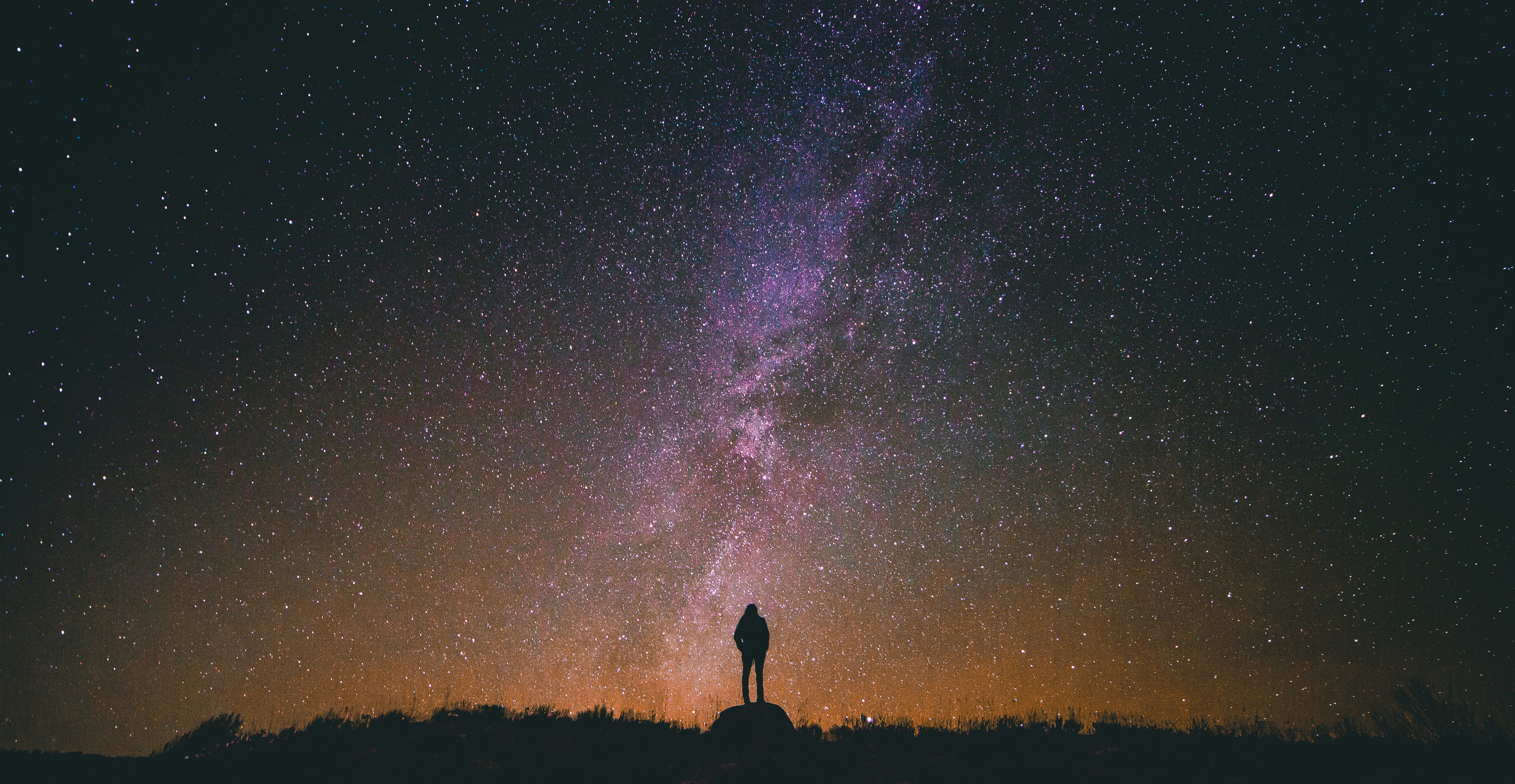
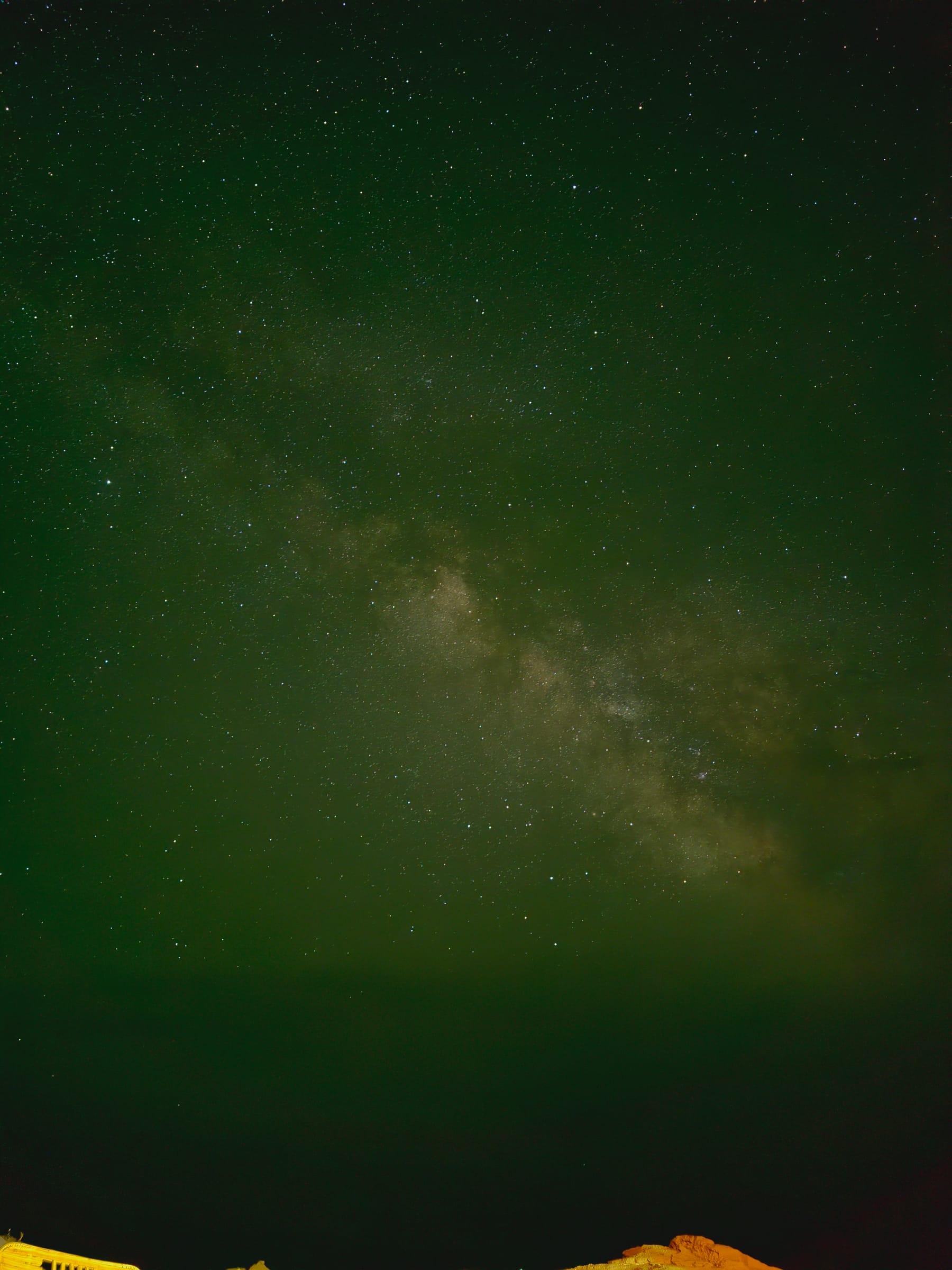
Bedouin navigate by the stars and moon. Even today, some elders can point to the night sky and tell you which direction to go without a compass.
These proverbs aren’t just words. They’re a way of life. And when you hear them by a campfire in the Sinai, they take on a whole new meaning. It’s one thing to read them in a book. It’s another to feel them in the air, see them in the way the elder’s eyes light up as he speaks.
────────────────The Proverb That Changed My Approach to Travel
There’s one proverb I heard in the Sinai that I’ve carried with me ever since. It goes like this:
"The desert does not reward the hurried, but it does reward those who listen to its silence."
At first, I thought it was just a poetic way to say "take it easy." But the more I traveled, the more I realized it was a lesson in how to truly experience a place. The pyramids, the temples, the markets—they’re all incredible. But the real magic? It’s in the moments in between. The silence between the words. The stillness between the dunes. The feeling of being small in a vast, ancient land.
That’s why I started Bodda Tours. I wanted to give travelers a chance to slow down, to listen, to connect. Not just to see Egypt, but to feel it. And the Sinai? That’s where I bring people when I want them to understand what Egypt is really about.
────────────────How to Experience Bedouin Hospitality Like a Local
If you want to experience the real Sinai—not the tourist version, but the one where time moves differently—here’s how to do it right. And trust me, it’s not about booking a generic "desert tour." It’s about finding the people who will open the door to their world.
1. Leave the Crowds Behind
Most tourists who visit Sinai stick to the resorts of Sharm El Sheikh or the hiking trails of Mount Sinai. But the real Bedouin culture? It’s in the wadis, the hidden valleys where the tribes have lived for generations. Places like Wadi Feiran, Wadi Gharandel, or Bir Safaga are where you’ll find the old ways still alive.
I’ve taken guests to camps where the only light comes from the fire and the stars. No Wi-Fi. No crowds. Just the sound of the wind and the stories of the elders. That’s the kind of experience that stays with you.
2. Ask for the Stories, Not the Selfies
Bedouin culture isn’t a performance. It’s a living tradition. When you sit with a family, they won’t put on a show for your camera. But if you ask about their history, their proverbs, or the way they navigate the desert, they’ll open up. I’ve had guests sit for hours listening to an old man explain how he learned to read the stars before he could read a book. That’s a memory money can’t buy.
I always tell my guests: "The desert’s beauty isn’t just in the dunes. It’s in the people who call it home."
3. Sip the Tea Like It Matters
This isn’t a quick Instagram moment. When a Bedouin offers you tea, take it seriously. Sit down. Wait your turn. Sip slowly. And when you’re offered a second or third cup, accept it as a sign of respect. The tea isn’t just a drink—it’s a bridge between you and the people who’ve lived here for generations.
I’ve seen tourists gulp down their tea and rush off to the next "attraction." But the ones who stay, who let the moment unfold? They leave with something far more valuable than a photo. They leave with a story.
4. Learn a Proverb or Two
Bedouin love it when travelers show interest in their culture. If you can remember one proverb and share it with them, they’ll light up. It’s a small gesture, but it goes a long way in breaking down barriers. And who knows? You might leave with a new favorite saying to carry with you long after the trip.
My personal favorite to share is:
"The palm tree bends in the wind, but it never breaks."
It’s a reminder that resilience isn’t about standing firm—it’s about adapting while staying true to yourself.
────────────────Where to Go in the Sinai for the Real Bedouin Experience
The Sinai Peninsula is vast, and not all parts of it offer the same cultural depth. If you want to experience Bedouin hospitality at its finest, these are the places to focus on:
Wadi Feiran: The Hidden Valley of the Saints
Wadi Feiran is one of the most sacred valleys in the Sinai. It’s where Saint Catherine’s Monastery stands, but it’s also where Bedouin tribes have lived for centuries. The valley is dotted with ancient rock art, old water channels, and hidden springs where travelers can rest. This is a place where history and tradition intertwine.
I take guests here to meet the Jebeleya tribe, one of the oldest in Sinai. They’re known for their hospitality and their knowledge of the land. Sitting with them under a canopy of palm trees, sipping tea brewed over a fire, is like stepping into a living history book.
The Jebeleya have a saying: "The valley remembers what the mountain forgets." It’s a reminder that the desert doesn’t forget. Neither do the people who live here.
Wadi Gharandel: The Valley of the Gazelles
Wadi Gharandel is a hidden gem in the southern Sinai. It’s named after the gazelles that once roamed here, but it’s also home to Bedouin families who’ve lived off the land for generations. The valley is lush with acacia trees and wild herbs, and the Bedouin here are known for their herbal medicine knowledge.
I’ve taken guests to meet the Garawal tribe, who still use traditional methods to treat illnesses. They’ll show you how to identify medicinal plants and brew healing teas. It’s a rare glimpse into a way of life that’s slowly disappearing.
One of the elders told me once: "The desert gives, but only if you ask with respect." That’s the philosophy that guides the Garawal tribe. They don’t take from the land—they work with it.
Bir Safaga: The Desert’s Crossroads
Bir Safaga is a small oasis in the middle of the Sinai desert. It’s a place where Bedouin tribes from all over the peninsula gather to trade, share stories, and rest. The name "Bir Safaga" means "the well of the meeting place," and that’s exactly what it is—a hub of culture and connection.
Here, you’ll find Bedouin selling handmade crafts, serving fresh dates, and offering tea to travelers passing through. It’s a place where the old and new worlds collide, and where you can still feel the pulse of Sinai’s nomadic past.
The Bedouin here have a saying: "The desert is not empty. It is full of stories." And Bir Safaga is where those stories are shared.
St. Catherine’s Area: Where Faith and Tradition Meet
St. Catherine’s Monastery is one of the oldest Christian monasteries in the world, but the surrounding area is also home to Bedouin tribes who’ve lived here for centuries. The monastery’s library holds ancient manuscripts, but the real treasure? The Bedouin who guard the land and share its secrets.
I’ve taken guests to meet the Ruwala tribe, who’ve been the protectors of St. Catherine’s for generations. They’ll share stories about the monastery’s history, the Bedouin’s role in preserving it, and the legends of the saints who once walked these sands.\p>
One of the most powerful moments I’ve witnessed was when a Bedouin elder led a group of travelers to a cave where Saint Catherine was said to have hidden. He didn’t just point to the cave—he told the story of her faith, her strength, and her legacy. It was a lesson in courage that had nothing to do with religion and everything to do with the human spirit.
─���──────────────The Best Time to Visit: When the Desert Comes Alive
The Sinai desert isn’t just a place—it’s a living, breathing entity. And like all living things, it has its seasons. The best time to visit isn’t just about the weather. It’s about when the desert is at its most vibrant, when the Bedouin are most active, and when you can experience the culture in its full glory.
Spring (March to May): The Desert in Bloom
Spring is the most magical time to visit the Sinai. The temperatures are mild, the wildflowers are in bloom, and the Bedouin are out tending to their herds. The desert is alive with color, and the air is filled with the scent of sagebrush and wild herbs.\p>
This is the perfect time for a multi-day camping trip. You can hike through wadis, meet Bedouin families, and even join them for a traditional feast under the stars. The nights are cool, the days are warm, and the desert feels like it’s holding its breath, waiting for you to explore.
Autumn (September to November): The Season of Harvest
Autumn is when the Bedouin harvest their dates and gather their herbs. It’s a time of abundance, and the camps are bustling with activity. This is a great time to visit if you want to see the Bedouin way of life in action—helping with the harvest, learning about their crops, and tasting fresh dates straight from the tree.\p>
The temperatures are still warm, but the harsh summer heat has faded. It’s the ideal time for a cultural immersion, where you can participate in daily life rather than just observe it.\p>
Winter (December to February): The Desert’s Quiet Strength
Winter in the Sinai is cold, especially at night. But that’s exactly why it’s a special time to visit. The desert is quiet, the Bedouin are gathered in their camps, and the stars shine brighter than ever. This is when you can truly experience the silence that the Bedouin proverbs talk about.\p>
I’ve taken guests camping in winter, and there’s something humbling about sitting around a fire while the temperature drops and the wind howls. The Bedouin say that winter is when the desert tests your patience—and rewards those who endure. If you can handle the cold, you’ll be rewarded with an experience that’s pure and unfiltered.\p>
Summer (June to August): For the Brave and the Patient
Summer in the Sinai is hot. Like, really hot. Temperatures can reach 50°C (122°F), and the desert sun is relentless. But that doesn’t mean it’s a bad time to visit. In fact, for those who can handle the heat, summer offers a unique perspective.\p>
The Bedouin are still active during this time, but they’re more selective about when they venture out. Early mornings and late evenings are the best times to explore. And if you’re lucky, you might witness a traditional summer gathering, where tribes come together to share stories and celebrate their heritage.\p>
Just be prepared. Bring plenty of water, wear loose clothing, and listen to your guide. The desert doesn’t forgive mistakes in summer.\p> ────────────────
What to Wear: Respecting the Land and Its People
The Sinai desert is a place of stark beauty, but it’s also a place where tradition runs deep. What you wear isn’t just about comfort—it’s about respect. The Bedouin have a saying: "Clothing is the first language of the desert." It’s a reminder that how you present yourself matters.
For Women
If you’re a woman traveling in the Sinai, modesty is key. This isn’t about covering up for the sake of covering up—it’s about showing respect for the culture and the people who live here. A loose, long-sleeved top and a long skirt or pants are ideal. A headscarf isn’t required unless you’re visiting a religious site, but it’s a nice gesture if you want to show you’re making an effort.\p>
I’ve had female travelers wear everything from flowing maxi dresses to hiking pants with a loose tunic. The goal is to be comfortable but also mindful. The Bedouin women you meet will appreciate it if you dress in a way that aligns with their values.\p>
For Men
Men have a bit more flexibility, but it’s still important to dress respectfully. Avoid shorts if you can—long pants and a shirt with sleeves are better. A lightweight scarf or head covering (like a keffiyeh) is a great way to protect yourself from the sun while also blending in with the locals.\p>
One thing I always tell my male guests: "The desert is not a fashion show. It’s a place where practicality matters." So leave the tight jeans at home and opt for loose, breathable clothing.\p
Footwear
The desert is rocky, sandy, and uneven. A good pair of hiking shoes or sturdy sandals is a must. I’ve seen too many travelers try to explore in flip-flops—don’t be that person. Your feet will thank you, and so will the Bedouin, who’ll see that you’re serious about respecting their land.\p> ────────────────
Is It Worth It? The Desert’s Gift to Your Soul
If you’re reading this and thinking, "This sounds nice, but is it worth the trip?" the answer is a resounding yes. But not for the reasons you might expect.\p>
This isn’t about checking off a bucket list. It’s not about seeing the "best" desert in Egypt. It’s about experiencing something that’s increasingly rare in our fast-paced world: stillness. The kind of stillness that lets you hear your own thoughts. The kind that lets you connect with people who live by a different rhythm. The kind that reminds you what it means to be human in a world that’s always rushing.
I’ve seen travelers arrive exhausted, cynical, and disconnected. And I’ve seen them leave with a spark in their eyes, a story on their lips, and a piece of the desert in their hearts. That’s the real magic of Sinai. It doesn’t just show you a place. It changes you.\p
So is it worth it? Only if you’re willing to slow down. Only if you’re open to being humbled. Only if you’re ready to sip tea, listen to proverbs, and let the desert teach you what it means to be alive.\p ────────────────
Beyond the Campfire: Other Cultural Gems in the Sinai
The Bedouin culture of the Sinai isn’t just about tea and proverbs. It’s woven into every aspect of life here. If you’re spending time in the desert, take the opportunity to explore these other cultural treasures:
Saint Catherine’s Monastery: Where Heaven Touches the Earth
Saint Catherine’s Monastery is one of the oldest Christian monasteries in the world, built in the 6th century at the foot of Mount Sinai. It’s a place of awe-inspiring beauty, with Byzantine mosaics, ancient manuscripts, and a chapel that’s said to hold the burning bush of Moses.\p>
But what makes this place special isn’t just its history. It’s the Bedouin who’ve protected it for centuries. The Jebeleya tribe has been the guardian of the monastery since its founding. They’ll tell you stories about the saints, the monks, and the miracles that are said to have taken place here.\p>
I always tell my guests: "This isn’t just a religious site. It’s a testament to the power of faith and tradition."
Mount Sinai: The Mountain of Light
Mount Sinai is one of the most iconic landmarks in Egypt. It’s where Moses is said to have received the Ten Commandments, and it’s a place of deep spiritual significance for Christians, Jews, and Muslims alike. Climbing the mountain at sunrise is an experience you’ll never forget.\p>
But what most tourists don’t realize is that the Bedouin have been guiding pilgrims up this mountain for centuries. They know the best paths, the safest routes, and the stories behind every rock. Hiring a Bedouin guide isn’t just about safety—it’s about connecting with the soul of the mountain.\p>
The Bedouin say that the mountain is alive. And when you reach the summit and watch the sunrise over the desert, you’ll understand why.\p
Dahab: The Bohemian Oasis by the Sea
Dahab is a small town on the Red Sea coast, known for its laid-back vibe, crystal-clear waters, and Bedouin heritage. It’s a place where you can scuba dive in the morning and sip tea with a local family in the afternoon.\p>
The Bedouin of Dahab are known for their hospitality and their love of music. You might hear them playing the rebaba (a traditional string instrument) or singing folk songs in the evenings. It’s a place where the desert meets the sea, and the culture is as vibrant as the reefs.\p>
I’ve taken guests to Dahab to meet the Awlad Said tribe, who’ve lived here for generations. They’ll show you how to fish the traditional way, cook fresh seafood, and even try your hand at playing the rebaba.\p
One of the best experiences in Dahab? Sitting on the beach with a Bedouin family, watching the sunset, and listening to stories about the sea and the stars.\p
Taba: The Gateway to the Negev
Taba is a small border town in the northern Sinai, near the border with Israel. It’s not a tourist hotspot, but it’s a place where you can experience Bedouin culture in a more modern setting. The Bedouin here are known for their craftsmanship, especially their sadu (traditional weaving) and silver jewelry.\p>
I’ve taken guests to Taba to meet the Tawaha tribe, who are experts in traditional crafts. They’ll show you how to weave a rug, make a silver necklace, or even bake khubz (Bedouin flatbread) in a traditional oven.\p>
The Bedouin of Taba have a saying: "The hands that create are the hands that feed." It’s a reminder that craftsmanship isn’t just a hobby—it’s a way of life.\p ────────────────
Why Choose Bodda Tours for Your Sinai Adventure
When I started Bodda Tours, I wanted to create something different. Not another tour company that treats Egypt like a checklist. But a company that treats it like a story—a story where the travelers are part of the narrative, not just observers.
Here’s why choosing Bodda Tours means choosing an experience that’s authentic, respectful, and unforgettable:
We Don’t Do "Tourist Traps" — We Do Real Connections
Some tour companies in Egypt focus on ticking off landmarks and moving on. But that’s not how I do things. I want my guests to sit with Bedouin families, sip tea, and hear stories that aren’t in any guidebook. That means going off the beaten path, spending time in real camps, and connecting with people who’ve lived here for generations.
I’ve seen other companies take guests to "cultural" sites that are basically staged performances. That’s not what we do. We take you where the culture is alive.\p
Our Guides Aren’t Just Translators — They’re Storytellers
I’m not just a tour guide. I’m a storyteller. And I’ve spent years learning the stories of the Sinai—its Bedouin tribes, its ancient monasteries, its hidden wadis. When you travel with Bodda Tours, you’re not just getting a guide. You’re getting someone who’s passionate about sharing Egypt’s soul.\p
I’ve had guests tell me that the stories I shared with them changed the way they see the world. That’s the kind of impact I want to have.\p
We Prioritize Comfort and Respect
This isn’t about roughing it. It’s about experiencing the desert in a way that’s comfortable, safe, and respectful. That means private, air-conditioned vehicles, comfortable camping gear, and meals that are as delicious as they are authentic.\p
I’ve seen too many travelers show up to a Bedouin camp in flip-flops and a tank top. Not on my watch. We make sure you’re dressed appropriately, prepared for the conditions, and ready to engage with the culture in a meaningful way.\p
We Go Where Others Won’t
The Sinai is vast, and most tour companies stick to the same few routes. But I know the hidden gems—the wadis where the Bedouin still live traditionally, the camps where the hospitality is genuine, the stories that haven’t been told to tourists before.\p
If you want a Sinai experience that’s different from the rest, this is where you’ll find it.\p
We’re Local — Not a Middleman
Bodda Tours is run by real Egyptians who live and breathe this culture. I’m not a reseller. I’m not a middleman. I’m a local who cares about sharing the real Egypt with the world. That means no inflated prices, no hidden fees, and no commission-driven itineraries.\p
When you book with Bodda Tours, you’re booking directly with the people who run the tours. No surprises. No tricks. Just authentic, respectful, and unforgettable experiences.\p
We Speak Your Language — Literally
If you’re a Korean traveler, you’ll appreciate that our guides are fluent in Korean. No language barriers. No awkward translations. Just clear communication and a deep understanding of both cultures.\p
That’s the Bodda difference. We don’t just show you Egypt. We help you feel it.\p ────────────────
Ready to Explore Egypt? Contact Bodda Tours Today
Whether you’re dreaming of sipping mint tea under a Sinai sky, hiking through ancient wadis, or meeting Bedouin families who’ve preserved their traditions for centuries, Bodda Tours is here to make it happen. We don’t just create itineraries—we create memories that stay with you long after the trip ends.
Reach out anytime between 07:00-22:00 daily. We’re here to help you plan a trip that’s as unique as you are.
- WhatsApp: wa.me/201040541153
- KakaoTalk: open.kakao.com/o/smU92Hfi
- Email: info@boddatours.me
- Website: boddatours.me
Let’s make your Egypt trip one for the books. Inshallah, we’ll see you soon.
────────────────Sources & References
- Bedouin Culture and Traditions: Wikipedia - Bedouin
- Sinai Peninsula History and Geography: Wikipedia - Sinai Peninsula
- Bedouin Proverbs and Sayings: Arabic Bible - Bedouin Proverbs
- Bedouin Hospitality: National Geographic - Bedouin Hospitality
- Saint Catherine’s Monastery: Wikipedia - Saint Catherine’s Monastery
![[2026 Egypt Tours] Siwa Oasis Honest Review (Desert Safari & History)](https://boddatours.me/images/hq/siwa-salt-lake-hq.jpg)
![[2026 Egypt Tours] Cairo Cafes & Mint Tea (Local Experience)](https://boddatours.me/images/hq/moez-st-hq.jpg)