![[2026 Egypt Culture] Siwa Oasis Magic: Salt Lakes and Shali Fortress in a Hidden Desert Kingdom](https://boddatours.me/images/hq/siwa-salt-lake-hq.jpg)
Why Siwa Oasis is Egypt’s Most Underrated Wonder (And Why You Can’t Miss It)
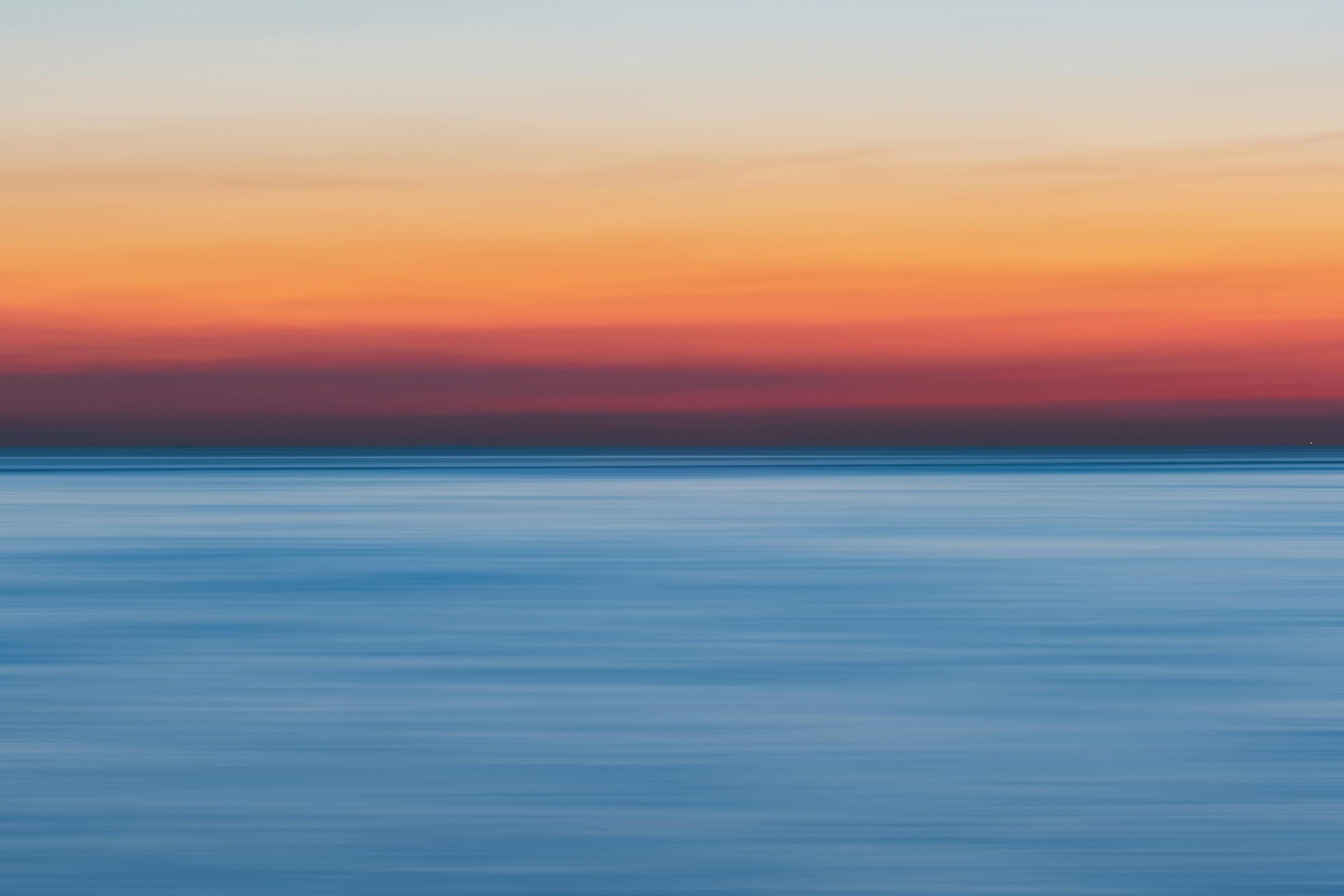
I’ll never forget the first time I saw Siwa at dawn. The air smelled like wet salt and sun-warmed earth. The sky was pink, not orange — like someone had dipped the horizon in raspberry juice. And there, floating in the middle of the desert, was a lake so still it looked like a mirror made of light.
That was Lake Siwa. Not just any lake — one of the world’s few naturally pink lakes. The pink comes from algae and salt-loving bacteria, but to the locals? It’s magic. And magic, in Siwa, is just another word for everyday life.
Siwa isn’t just a place. It’s a feeling. A place where the desert gives way to palm trees, where ancient Amazigh (Berber) women still weave silver in the old way, and where the wind carries the scent of jasmine and olive oil. It’s where Alexander the Great came to consult the Oracle of Zeus-Ammon. It’s where Cleopatra bathed in waters said to preserve youth. And it’s where, if you’re lucky, you’ll see the pink lake glow at sunset like a living thing.
This isn’t just another desert stop. This is a private journey into a world that feels frozen in time — yet alive with stories, scents, and colors you won’t find anywhere else in Egypt.
─────���──────────Siwa Oasis: A Desert Kingdom Older Than Cleopatra’s Dreams
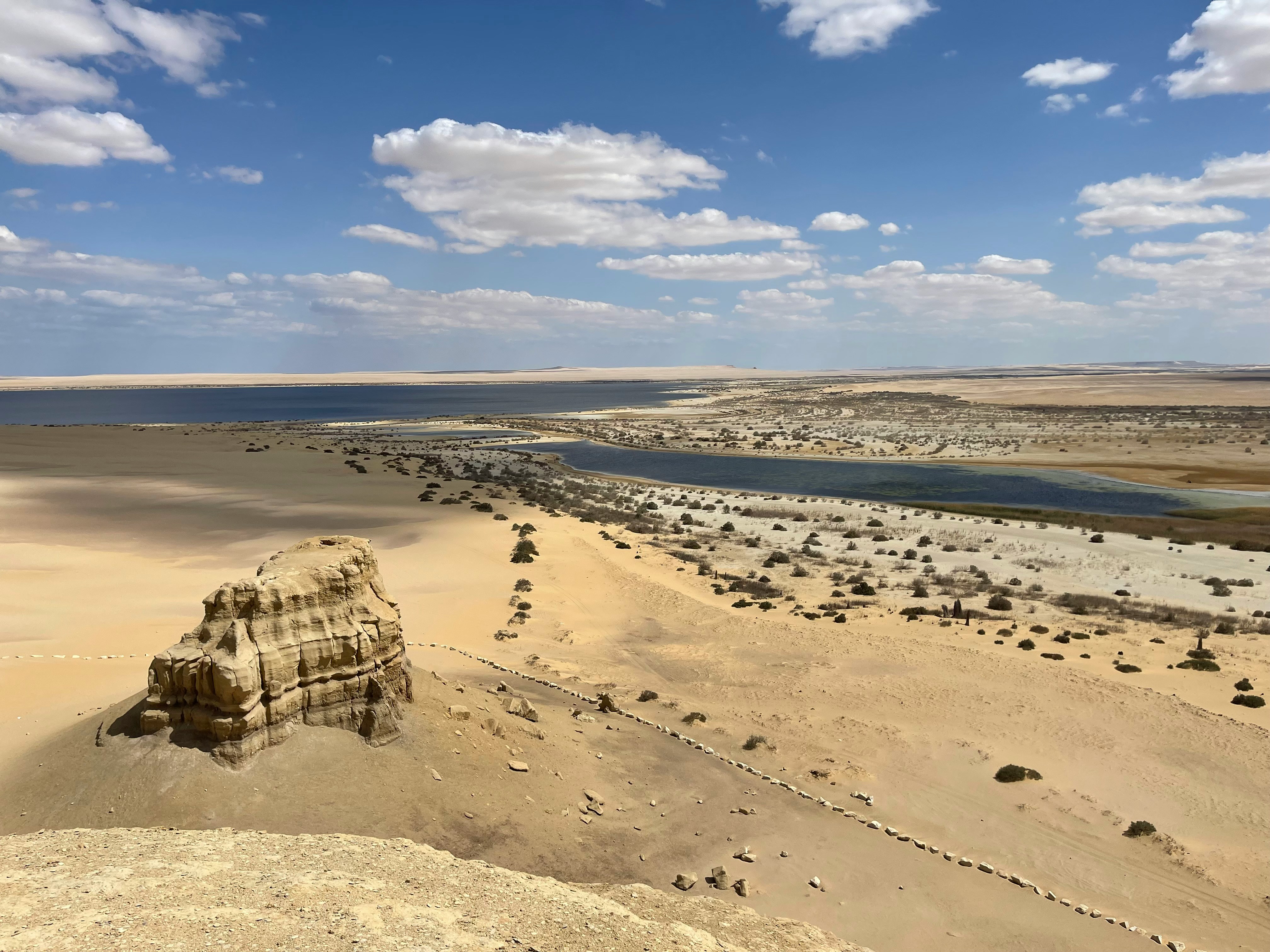
Siwa sits in a vast depression 300 meters below sea level, surrounded by the Great Sand Sea like a jewel in a ring of gold. It’s been a crossroads for 10,000 years — first for hunters and gatherers, then for Pharaonic traders, Greek philosophers, Roman soldiers, and Arab nomads.
The Amazigh people of Siwa — often called Siwans — have lived here since before the pyramids were built. They speak Siwi, a Berber language older than Arabic in Egypt, and their culture is a living museum of pre-Islamic Africa.
Siwa was known to the ancient Egyptians as Ammonium, home to the Oracle of Zeus-Ammon, one of the most powerful oracles of the ancient world. It was here that Alexander the Great, after conquering Egypt in 332 BCE, traveled 500 kilometers through the desert to ask the oracle whether he was truly the son of Zeus. The answer? Yes. And from that moment, Alexander became a god-king in the eyes of the world.
Centuries later, Cleopatra VII — the last pharaoh of Egypt — came to Siwa. She didn’t just visit. She made it part of her legend. She bathed in Cleopatra’s Spring (Ain El Hammam), a natural spring said to have healing powers. Some say she used its waters to maintain her beauty. Others whisper she used it to plan her rise — and fall — with Mark Antony.
Siwa has always been a place of power. Not the kind that comes from swords or gold. The kind that comes from silence, from solitude, from the kind of peace that lets you hear your own thoughts for the first time in years.
────────────────The Heart of Siwa: Shali Fortress and the Old Town That Time Forgot
When you arrive in Siwa, the first thing you see is Shali Fortress — a crumbling, golden-brown citadel rising from the earth like a dream half-remembered. Built in the 13th century from salt-encrusted mud bricks, it was once the fortified home of the Siwan people, a refuge from invaders and sandstorms alike.
Now, it’s a ghost of itself — but a beautiful one. The walls glow amber at sunrise, and the narrow alleys inside are lined with old houses, some still inhabited by families who’ve lived here for generations. You’ll walk past women stirring copper pots of olives, men weaving baskets from palm fronds, and children playing in the shade of fig trees.
At the top of Shali, the view stretches forever: endless desert, scattered palm groves, and the faint glint of the pink lake in the distance. It’s quiet up there. No horns, no crowds — just the sound of the wind and the distant call to prayer.
If Siwa had a soul, it lives in Shali. It’s not a museum. It’s a living place. And if you walk slowly, you’ll hear it breathing.
────────────────Pink Lakes, Oracle Legends, and Where Cleopatra Really Bathed: The Sacred Sites of Siwa
The Oracle of Zeus-Ammon: Where a King Became a God
Deep in the desert, 8 kilometers west of modern Siwa, lies the Temple of the Oracle (Aghurmi). Built by the Egyptians and later expanded by the Greeks, this small stone temple was once the center of the ancient world’s spiritual power.
Alexander came here not as a conqueror, but as a pilgrim. He entered the inner sanctum alone, where the high priest told him the gods had accepted him as their son. From that moment, Alexander wore the horns of Ammon on his coins and statues — a symbol of divine kingship.
Today, the temple is a ruin. But if you stand in the inner chamber at dusk, when the light is golden and the wind is still, you can almost hear the echo of the priest’s voice: “You are the son of Zeus.”Cleopatra’s Spring: The Water That Made a Queen
Ain El Hammam — Cleopatra’s Spring — is a natural artesian spring that bubbles up from deep underground. Its waters are rich in minerals, cool even in the hottest months, and said to heal skin and soul.
The Siwans believe the water comes from the tears of an ancient goddess. Cleopatra believed it kept her young. Today, it’s a place of quiet reflection — and if you’re brave, you can swim in the same waters as history’s most famous queen.
The spring feeds a small pool surrounded by palm trees. There’s no electricity, no music, no vendors. Just water, silence, and the occasional splash of a duck.
Lake Siwa: The Pink Mirror of the Desert
There are salt lakes. And then there’s Lake Siwa.
At certain times of year — especially after heavy rains — the lake turns a vivid pink. The color comes from Dunaliella salina, a salt-loving algae that thrives in the brine. It’s the same algae that gives flamingos their pink feathers.
The lake is shallow, warm, and stings your eyes if you get too much salt in them. But when the sun sets and the light turns the water to liquid rose gold? That’s when Siwa shows you why it’s magic.
You can walk into the lake. The Siwans do. They say the salt heals wounds and softens skin. I’ve seen women rub it into their hands like lotion, and leave with skin smoother than silk.
────────────────Desert Stargazing in Siwa: Where the Milky Way is So Close You Can Touch It
Siwa isn’t just famous for its lakes and legends. It’s famous for its sky.
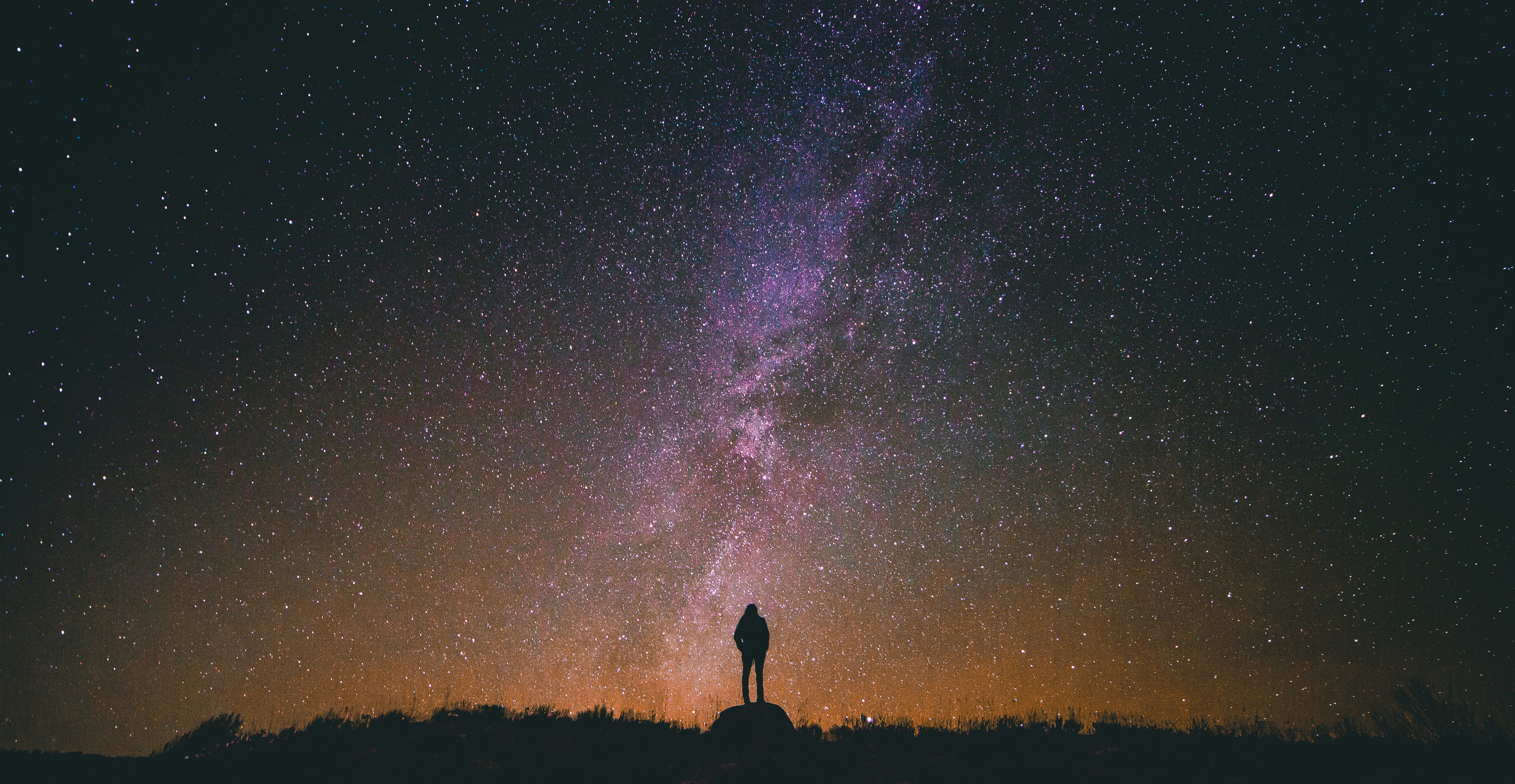
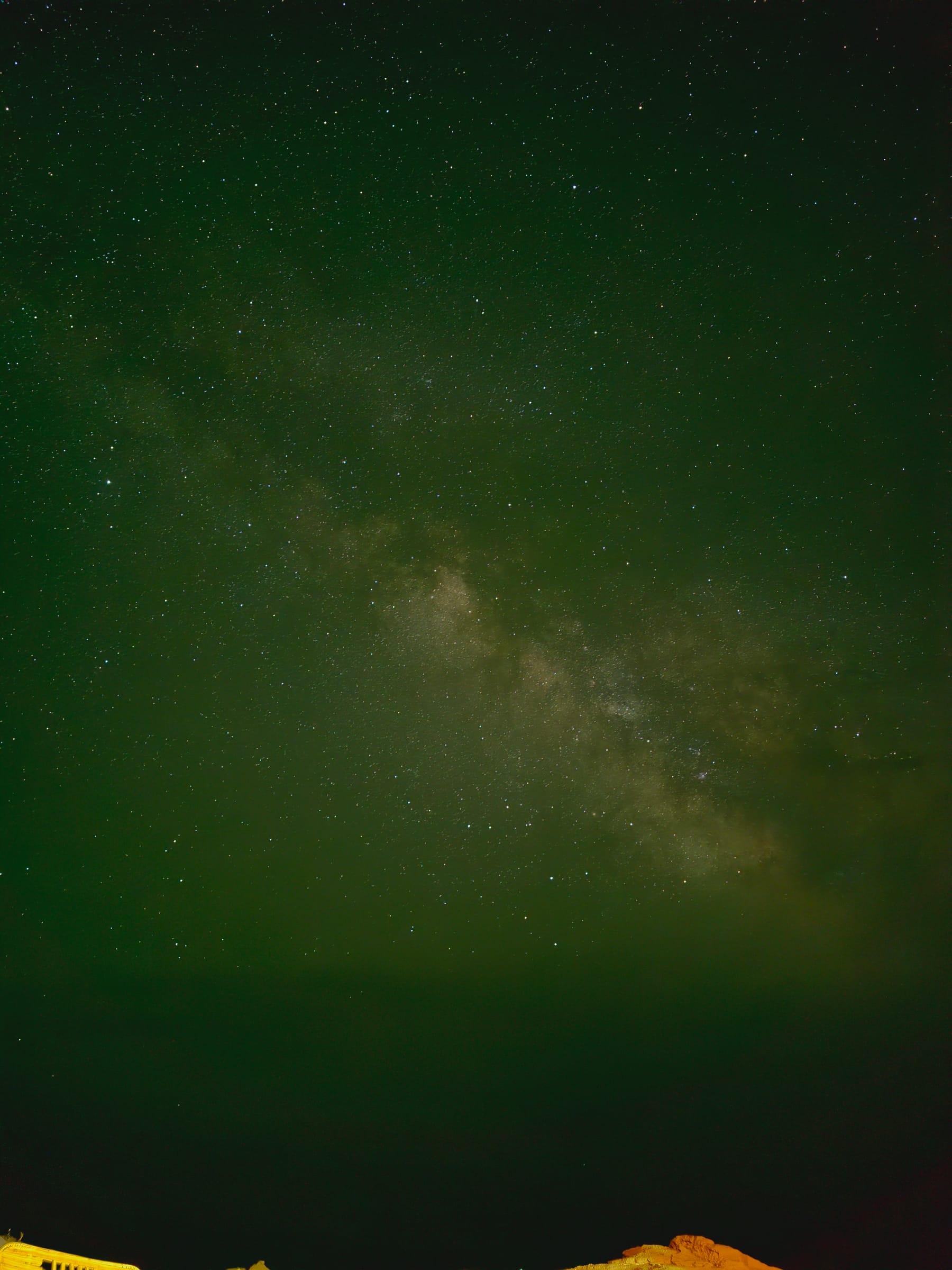
Far from cities, far from light pollution, the night sky in Siwa is a living canvas. The Milky Way stretches from horizon to horizon like a river of stars. The constellations are so bright you can see the colors — red Betelgeuse, blue Rigel, the green glow of the Orion Nebula.
I’ve slept under that sky many times. On a simple foam mattress under a canopy, with the sound of the desert wind and the occasional call of a jackal. And every time, I wake up feeling like I’ve touched the edge of the universe.
The Siwans have a saying: “The desert doesn’t just show you the stars. It shows you yourself.”
They’re right.
────────────────What to Wear in Siwa: Respect and Comfort in the Desert
Siwa is conservative but welcoming. The Siwans are used to travelers — especially women traveling alone — and they appreciate modest dress.
For women: Light, loose clothing that covers shoulders and knees is best. A long-sleeve shirt or scarf is perfect for the heat and sun. A headscarf isn’t required, but it’s appreciated in villages.
For men: Light cotton pants or long shorts, and a shirt that covers your shoulders. Avoid tank tops in town.
In the desert, practicality wins. Light colors, breathable fabrics, a wide-brimmed hat, and sunglasses are essential. And don’t forget sunscreen — the sun here doesn’t mess around.
But the most important thing to wear? A smile. The Siwans love travelers who show respect and curiosity. And if you learn a few words in Siwi or Arabic? They’ll light up.
────────────────Best Time to Visit Siwa: Avoid the Heat, Chase the Magic
Siwa is in the Western Desert, far from the Nile Valley. That means hot summers and cool winters — but also unpredictable weather.
- October to April: Best time to visit. Temperatures range from 15°C to 28°C. Days are warm, nights are cool. Perfect for walking, swimming, and sleeping under the stars.
- May to September: Very hot. Daytime temperatures can hit 40°C+. The pink lake may be dry. The desert is beautiful, but exhausting. If you go, plan early mornings and late evenings.
- Ramadan: A special time. The Siwans fast during the day, then feast at night. The streets are quiet during the day, lively after sunset. But some restaurants may be closed until iftar.
If you want to see the pink lake at its most vivid, aim for late February to early April — after winter rains, before the evaporation.
────────────────How to Get to Siwa from Cairo (And Why You Shouldn’t Take a Tuktuk Safari)
Siwa is 550 kilometers west of Cairo. The drive takes 8–10 hours on good roads, or 10–12 if you go through the desert tracks.
You have three main options:
- Private 4x4 with driver (recommended): The safest, most comfortable way. You’ll leave Cairo early, stop in Bahariya Oasis for lunch, and arrive in Siwa by mid-afternoon. You’ll have your own driver, A/C, and no stress. This is how Bodda Tours does it — no shared vans, no tuktuk scams, no language barriers.
- Public bus: Cheap but slow. Buses leave from Cairo’s Mohandiseen station, take 12+ hours, and drop you at the edge of town. From there, you’ll need a taxi — and that’s where the scams start.
- Domestic flight to Marsa Matruh + drive: Faster, but the flight schedules are unreliable, and the drive from Matruh is still long. Plus, you miss the desert scenery.
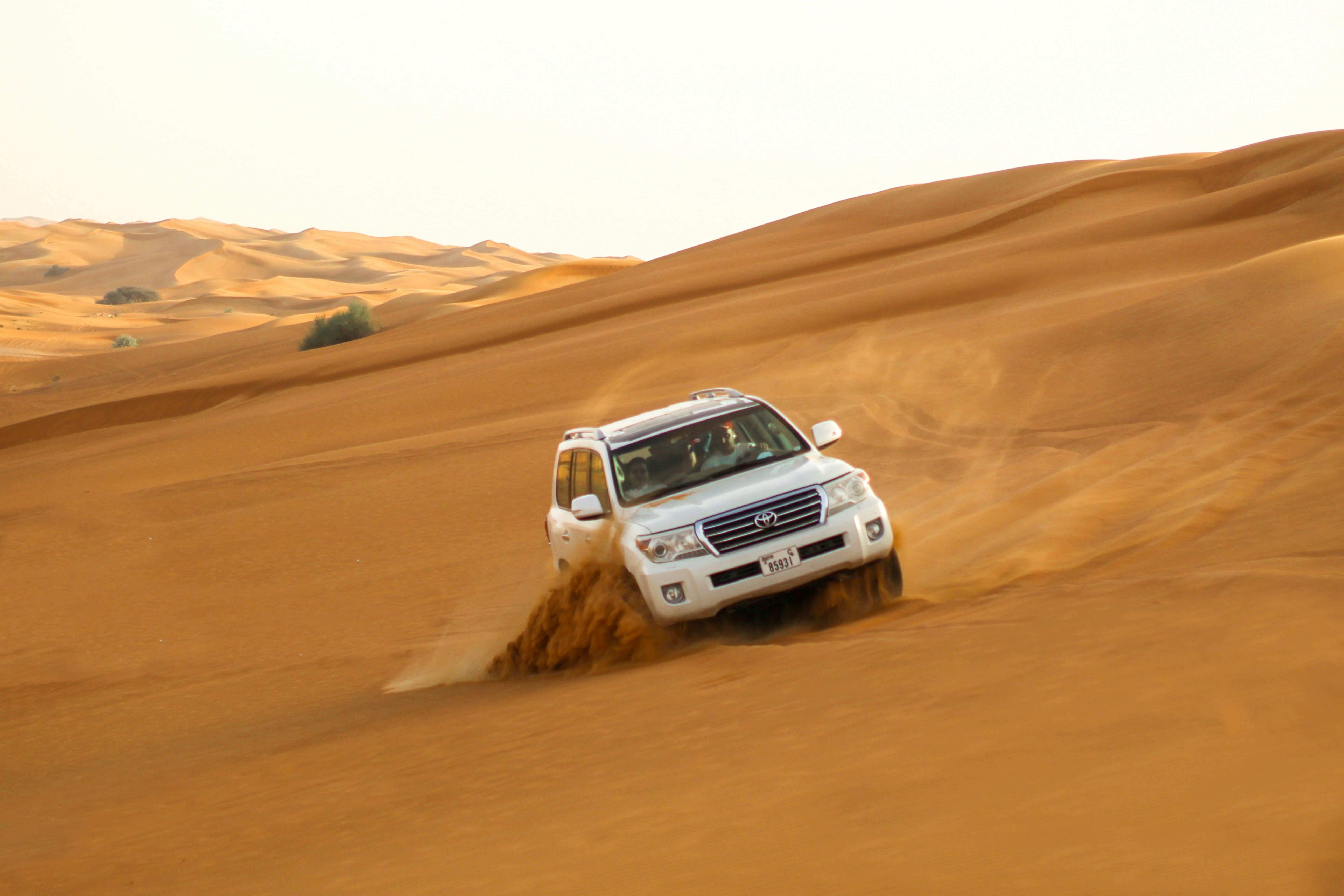
Important note: Some operators in Siwa offer “tuktuk desert safaris” — rides in old, beat-up tuk-tuks through the dunes. These are not safe. The vehicles are uninsured, the drivers untrained, and the “safari” is often just a sales pitch for overpriced souvenirs. Bodda Tours only uses real 4x4 jeeps with professional drivers — no fake safaris, no surprises.
────────────────What to Expect on a Siwa Oasis Private Tour (And Why It’s Worth It)
When you book a private Siwa tour with Bodda Tours, you’re not just getting a driver. You’re getting a local friend who knows every hidden corner, every family, every story.
Here’s what your day might look like:
Morning: Drive from Cairo to Siwa (7–8 hours). Stop in Bahariya Oasis for lunch at a family-run restaurant. Try their feteer meshaltet — flaky pastry stuffed with honey and nuts. It’s heaven.
Afternoon: Arrive in Siwa. Visit Shali Fortress. Walk the old town. Meet a local family making olive oil soap in the traditional way. Learn how Siwi women weave silver jewelry. Stop at Cleopatra’s Spring for a swim.
Evening:
- Sunset at the pink lake. Walk into the water, feel the salt on your skin.
- Dinner at a Siwan home. Eat tajin (slow-cooked lamb with apricots and spices), fresh bread baked in a clay oven, and asida (a sweet semolina pudding).
- Stargazing in the desert. Sleep under the Milky Way.
Next morning: Early breakfast. Visit the Oracle Temple. Walk among the palm groves. Maybe take a short desert safari to see the dunes. Then drive back to Cairo, arriving by evening.
That’s a 2-day private Siwa tour from Cairo. But you can also do it in 3 days — with an extra night in Siwa, a longer desert safari, and more time to wander.
No shared buses. No fixed schedules. No language anxiety. Just you, the desert, and a local guide who treats you like family.
────────────────Is Siwa Oasis Worth Visiting? A Siwan’s Honest Answer
“Is it worth it?”
I get this question a lot. From travelers who’ve done the pyramids, sailed the Nile, and climbed Mount Sinai. They’re tired of crowds. Tired of “must-sees.” Tired of feeling like they’re just checking boxes.
My answer is always the same:
Yes. But only if you want more than photos.
Siwa isn’t for everyone. If you want air-conditioned malls and Instagram cafes, go to Cairo. If you want cruise ships and buffets, go to Luxor. But if you want to stand in a place where history whispers in the wind, where the desert feels alive, where the people welcome you like family — then Siwa is for you.
It’s not the easiest place to reach. It’s not the most luxurious. It’s not even the most “Egyptian” — it’s more Amazigh than Pharaonic, more African than Arab.
But it’s real. And real places are the ones that change you.
────────────────Nearby Attractions You Can Combine With Your Siwa Tour
Siwa is remote, but not isolated. If you’re planning a longer trip, you can combine it with other incredible destinations:
- Bahariya Oasis: A green jewel in the desert, famous for its hot springs, black desert, and Valley of the Golden Mummies. Stop here on your way to or from Siwa.
- White Desert: A surreal landscape of chalk-white rock formations. Perfect for a short detour — and a great add-on to your Siwa tour.
- Fayoum Oasis: Home of the Valley of the Whales (a UNESCO site with 40-million-year-old whale fossils), Magic Lake, and the charming village of Tunis. It’s only 3 hours from Cairo — easy to combine with Siwa.
- Cairo: Of course. Pyramids, Khan el-Khalili, the Nile. Start or end your trip here.
Bodda Tours can arrange multi-city packages — Siwa + Cairo + Fayoum, or Siwa + Cairo + Luxor. Just ask. We’ll make it seamless.
────────────────Why Choose Bodda Tours for Your Siwa Oasis Private Tour?
I know what you’re thinking. “There are lots of tour companies. Why you?”
Because I’m not just a guide. I’m a local. I was born and raised in Cairo, but my heart is in the desert. I know Siwa like I know my own neighborhood. And I don’t just show you the sights — I help you feel them.
Here’s why travelers choose Bodda Tours:
- 100% private tours: No shared buses. No cramped seats. No language anxiety. Just you, your group, and a comfortable air-conditioned vehicle with a professional driver who speaks Korean or English.
- Korean-speaking guides: If you’re from Korea, Japan, or anywhere where Korean is your first language, our guides speak Korean fluently. No misunderstandings. No awkward silences. Just clear communication and local insights.
- No scams, no surprises: We don’t do fake tuk-tuk “safaris.” We don’t sell overpriced souvenirs. We don’t add hidden fees. What you pay is what you get — verified tours, transparent service, and no commission markups.
- Direct booking, direct service: You’re not booking through a middleman. You’re booking with the people who run the tours. I’m the one answering your WhatsApp messages at 2 AM. I’m the one making sure your driver is on time. I’m the one who will fix anything that goes wrong — or compensate you if it can’t be fixed.
- Custom itineraries: Want to photograph the pink lake at sunrise? Do it. Prefer to skip the Oracle Temple and spend more time in the old town? Done. Love olive oil and want to visit a soap maker? We’ll arrange it. Your trip is yours.
- Real traveler reviews: Ask me for recent guest reviews. You’ll read stories from travelers who felt like family — not tourists.
And here’s the most important reason:
We care.
I’ve seen too many travelers come to Egypt, feel lost, feel scammed, feel disappointed. I don’t want that for you. I want you to feel the magic of Siwa — the peace, the wonder, the connection. So I’ll make sure everything is perfect. Or as close as life allows.
────────────────Ready to Experience Siwa’s Magic? Let’s Plan Your Private Tour
Siwa isn’t just a stop. It’s a journey. And I’d love to help you take it.
Whether you want a 2-day private Siwa tour from Cairo, a 3-day desert escape with stargazing, or a multi-city package that includes Siwa, Cairo, and Fayoum — we’ll make it happen.
No pressure. No sales pitch. Just honest advice and a local friend who’s here to make your Egypt trip unforgettable.
- WhatsApp: wa.me/201040541153
- KakaoTalk: open.kakao.com/o/smU92Hfi
- Email: info@boddatours.me
- Website: boddatours.me
Send me a message anytime between 07:00 and 22:00. I’ll answer — fast, friendly, and in whatever language you prefer.
Let’s make your Egypt trip something you’ll tell stories about for years. Not just photos you’ll forget in months.
See you in Siwa.
────────────────Sources & References
- UNESCO World Heritage Centre: Siwa Oasis – Official listing and historical context
- Wikipedia: Siwa Oasis – General historical and cultural overview
![[2026 Egypt Culture Guide] Siwa Oasis Magic: Salt Lakes and Shali Fortress in a Hidden Desert Kingdom](https://boddatours.me/images/hq/milky-way-hq.jpg)