![[2026 Egypt Tours] Deciphering Hieroglyphs (Rosetta Stone's Legacy)](https://boddatours.me/images/fallback-post.png)
The Silent Whispers of Ancient Egypt
Imagine standing before a colossal statue, its surface covered in strange, beautiful symbols. For centuries, these symbols were a mystery, a silent language that held the secrets of a civilization that shaped the world. That’s the feeling you get when you first encounter Egyptian hieroglyphs, and the journey to understanding them is as fascinating as the civilization itself.
This is what I live for, you know? Not just seeing the Pyramids, but understanding the stories they tell. And the story of how we learned to read them? That’s a whole adventure on its own. It’s why I love guiding people through Egypt, especially those who want to go beyond the surface. We're talking about Egypt history tours that truly bring the past to life.
You’re probably wondering how this ancient script, so different from our own, was finally cracked open. It all comes down to one incredible artifact and a brilliant mind. If you're planning an Egypt tour and want to feel that connection to history, then understanding the decipherment of hieroglyphs is essential. It's the key to unlocking countless stories etched in stone across this amazing land.
───────────────────────────────────────────────────────────────────────────────────────────────────────────The Enigma of Hieroglyphs
For thousands of years, the intricate carvings on temples, tombs, and papyri were beautiful, yes, but largely indecipherable. These weren't just pictures; they were a complex writing system, a blend of logographic, syllabic, and alphabetic elements. Think of it as a puzzle with millions of pieces, each symbol holding a phonetic sound, an idea, or a representation of an object. The ancient Egyptians used these hieroglyphs to record everything: religious texts, historical events, administrative records, poetry, and even personal letters.
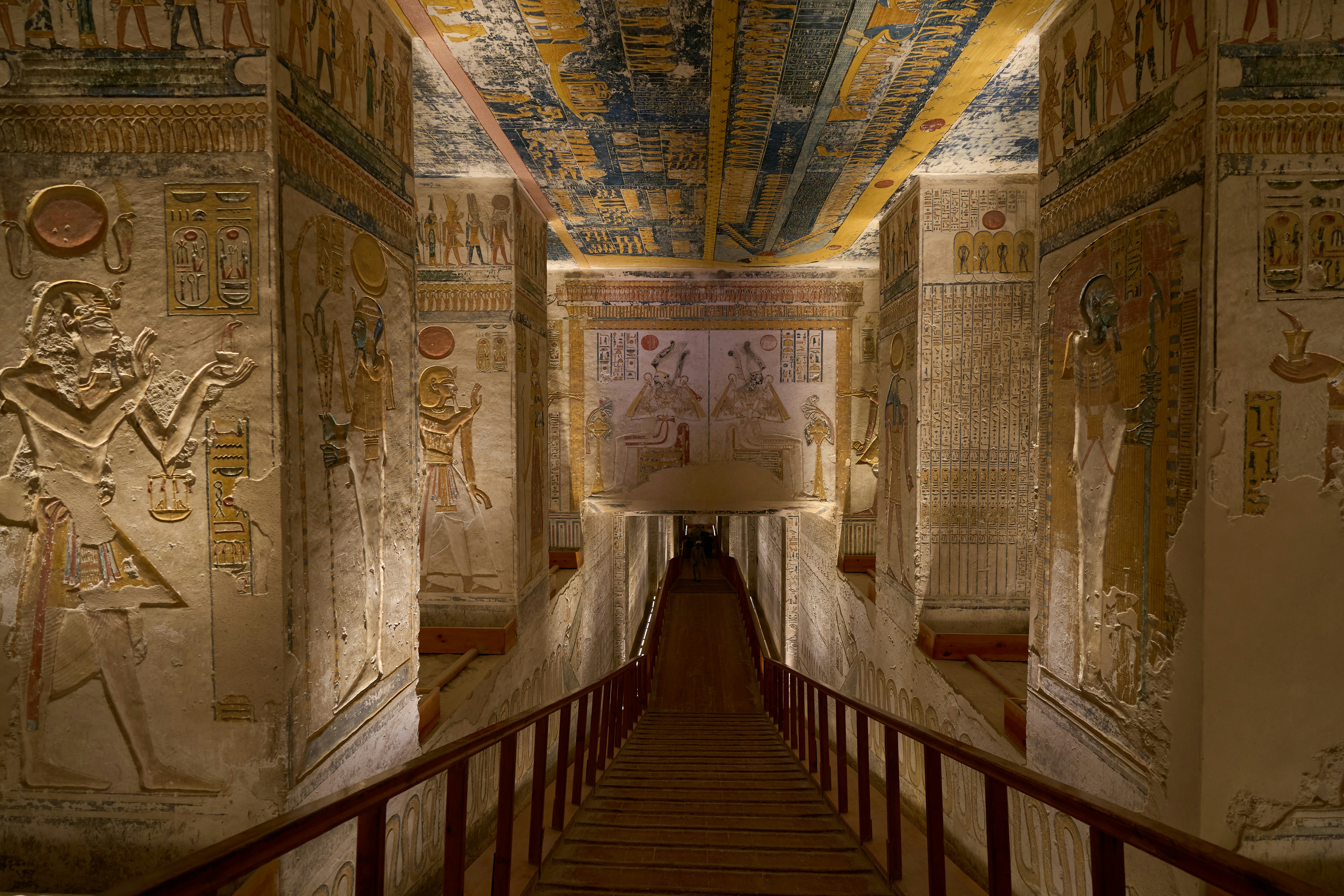
The sheer volume of these inscriptions is astounding. From the towering pylons of Karnak Temple to the inner chambers of the Valley of the Kings in Luxor, hieroglyphs are everywhere. They adorn the walls of tombs, telling tales of the deceased's journey to the afterlife, and they proclaim the mighty deeds of pharaohs on temple facades. Without understanding them, we were missing the very voices of the people who built this incredible civilization. It was like having a library full of books but no way to read them.
The ability to read hieroglyphs gradually faded with the decline of ancient Egyptian religion and the rise of different languages and scripts. By the time of the Roman Empire, knowledge of how to read hieroglyphs was largely lost. For over a thousand years, scholars and travelers marveled at the inscriptions, hypothesizing about their meaning, but the true nature of the script remained elusive. It was a profound silence in the grand narrative of human history.
───────────────────────────────────────────────────────────────────────────────────────────────────────────The Discovery That Changed Everything: The Rosetta Stone
Then came the pivotal moment. In July 1799, during Napoleon Bonaparte's campaign in Egypt, French soldiers were working on fortifications near the town of Rosetta (modern-day Rashid) in the Nile Delta. They stumbled upon a broken stele, a stone slab, inscribed with text. Little did they know, this fractured piece of black granodiorite would become the most famous artifact in Egypt, the key to unlocking a lost world.
This remarkable stone, now known as the Rosetta Stone, bore a decree issued in Memphis on behalf of King Ptolemy V Epiphanes in 196 BC. What made it extraordinary was that the decree was inscribed in three different scripts:
- The top portion featured ancient Egyptian hieroglyphs.
- The middle portion was in Demotic, a later, cursive script derived from hieroglyphs, commonly used for everyday purposes in ancient Egypt.
- The bottom portion was in ancient Greek, a language that scholars of the time could read.
The presence of the same text in a known language (Greek) alongside two unknown scripts offered a tantalizing possibility: a bilingual, or rather, a trilingual key to decipherment. The decree itself, though politically significant at the time, was relatively standard. Its true value lay in its linguistic potential. Imagine finding a secret code, and then realizing one part of the code is in a language you already understand – that’s what the Rosetta Stone was for Egyptologists.
The stone was eventually ceded to the British after the French defeat in Egypt in 1801 and has been housed in the British Museum in London ever since. While its physical location is a point of contention for many Egyptians, its discovery remains a monumental event in our understanding of ancient Egypt. This single artifact held the promise of giving voice back to the pharaohs, priests, and common people of this ancient land.
───────────────────────────────────────────────────────────────────────────────────────────────────────────The Race to Decipher: Scholars and Rivalries
The discovery of the Rosetta Stone ignited a fierce intellectual race among European scholars. The challenge was immense: to translate the hieroglyphic and Demotic texts using the Greek as a guide. Several scholars made significant progress. The English polymath Thomas Young, for instance, correctly deduced that some of the hieroglyphic symbols represented sounds (phonetic values) and identified the name 'Ptolemy' within cartouches (oval rings that enclose royal names).
However, it was a young French scholar, Jean-François Champollion, who would ultimately crack the code. Champollion was a linguistic prodigy, fluent in several languages from a young age, including Coptic, the liturgical language of the Egyptian Church, which he believed was a direct descendant of the ancient Egyptian language. This was a crucial insight that many others had overlooked or underestimated.
Champollion studied Young's work and the Rosetta Stone intensely. He compared the royal names in cartouches on the stone, as well as those found on other artifacts like the Philae obelisk (which also bore Greek inscriptions). By meticulously comparing the Greek spellings of royal names like Ptolemy and Cleopatra with the hieroglyphic symbols enclosed in cartouches, he began to establish phonetic values for specific hieroglyphs.
His breakthrough came in 1822. Champollion realized that hieroglyphs were not purely symbolic or purely phonetic, but a complex combination of both. He famously declared, "Je tiens mon affaire!" (I've got it!). His work demonstrated that hieroglyphs could represent sounds, ideas, and objects, providing a systematic way to read the ancient script. This was the moment the silent stones began to speak. It was a triumph of intellect, perseverance, and a deep understanding of linguistic evolution.
───────────────────────────────────────────────────────────────────────────────────────────────────────────Champollion's Breakthrough: Unlocking the Language of the Pharaohs
Champollion's genius lay in his ability to synthesize existing knowledge and build upon it with his unique linguistic background. His understanding of Coptic was instrumental. He recognized that many hieroglyphic symbols, particularly those representing sounds, had direct equivalents in Coptic words. This allowed him to build a comprehensive lexicon and grammar for ancient Egyptian.
His 1822 letter to Monsieur Dacier, secretary of the French Academy of Sciences, is considered the foundational document for modern Egyptology. In it, he outlined his system for deciphering hieroglyphs, demonstrating how various signs functioned as phonograms (representing sounds), logograms (representing words), and determinatives (clarifying the meaning of a word). This systematic approach was revolutionary.
His subsequent work, including the *Grammaire égyptienne* (Egyptian Grammar) and the *Dictionnaire égyptien en deux langues* (Egyptian Dictionary), further solidified his findings. Champollion's decipherment wasn't just about translating a few inscriptions; it was about opening up millennia of Egyptian history, religion, and culture that had been lost to time. Suddenly, the stories of pharaohs like Ramesses the Great, Hatshepsut, and Akhenaten could be read in their own words. The monumental temples and tombs, which had previously been silent witnesses, now had their narratives revealed.
This achievement is why I always feel a special connection when we visit places like the Grand Egyptian Museum (GEM) or the temples in Luxor and Aswan. Standing before these ancient wonders, knowing that we can now understand the inscriptions, is an incredible feeling. It’s the culmination of centuries of human curiosity and one man’s extraordinary dedication. It truly transforms a sightseeing trip into a profound historical exploration. This is what makes private Egypt tours so rewarding – the ability to delve deep into these stories with a knowledgeable guide.
─────────────────────────────────────────────────────────────���─────────────────────────────────────────────The Legacy of Hieroglyphs and Their Impact on Egyptology
Champollion's decipherment of hieroglyphs marked the birth of modern Egyptology. It transformed the study of ancient Egypt from speculation into a rigorous academic discipline. Suddenly, scholars could access a wealth of primary source material, allowing for a much deeper and more accurate understanding of Egyptian society, religion, politics, and daily life.
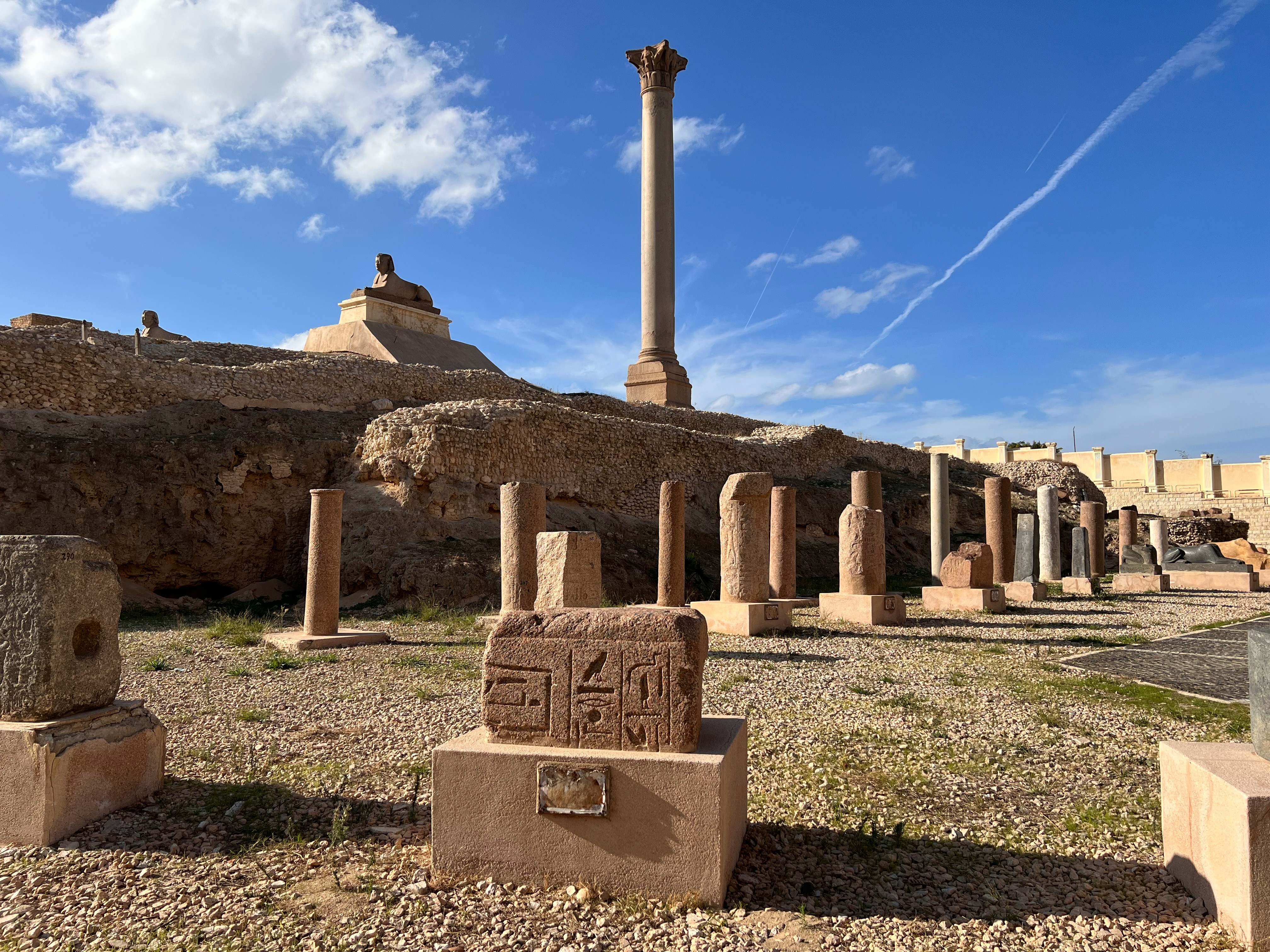
This breakthrough allowed us to read the stories of the pharaohs, understand complex religious beliefs, chart dynastic successions, and even learn about the lives of ordinary people. The inscriptions on the pyramids of Saqqara, the temples of Karnak and Luxor, and the tombs in the Valley of the Kings provided unparalleled insights into a civilization that had long been shrouded in mystery. We can now appreciate the intricate details of their cosmology, their medical practices, their sophisticated administration, and their artistic achievements directly from their own writings.
The impact extends beyond academia. For travelers like you, it means that when you visit Egypt, you're not just looking at old stones; you're engaging with a civilization that can now speak to you through its preserved texts. Imagine understanding the hymns to Amun-Ra at Karnak, the funerary texts guiding the deceased in the afterlife, or the historical accounts of battles and building projects inscribed on temple walls. It adds an incredible layer of depth and appreciation to any Siwa Oasis tour, Fayoum tour, or exploration of Cairo and Giza.
The Rosetta Stone itself is a symbol of this breakthrough. While its physical journey is complex, its intellectual impact is undeniable. It represents the triumph of human intellect and the power of cultural exchange in unlocking the secrets of the past. For anyone interested in the rich tapestry of human history, understanding the decipherment of hieroglyphs is a fundamental step in appreciating the marvels of ancient Egypt.
───────────────────────────────────────────────────────────────────────────────────────────────────────────Experiencing Hieroglyphs Today: Your Egypt Tour
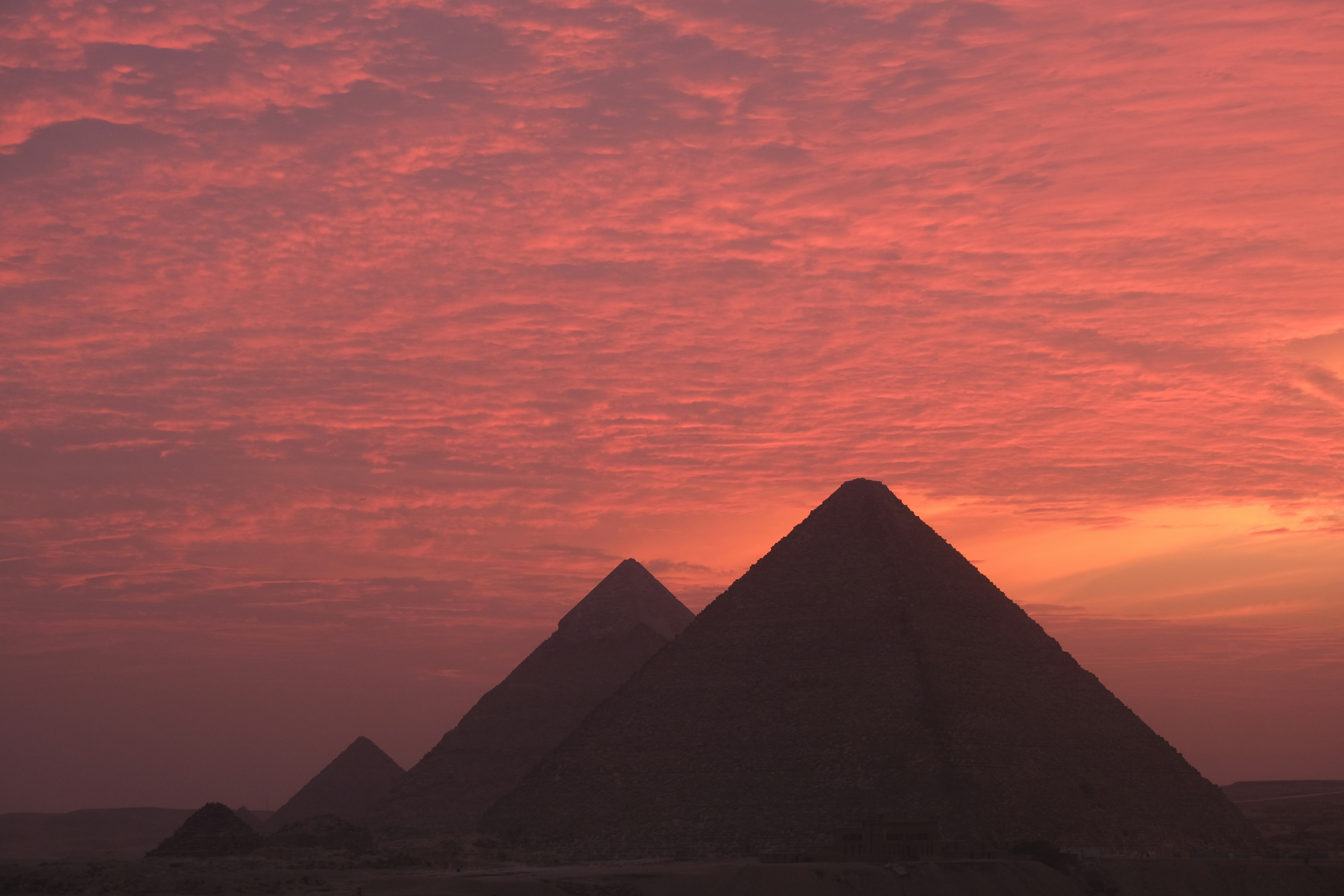
When you travel to Egypt, you'll see hieroglyphs everywhere, from the grandest temples to the smallest artifacts. Standing before the Pyramids of Giza, the Sphinx, or exploring the treasures within the Grand Egyptian Museum, you'll be surrounded by this ancient script. It’s no longer a foreign, indecipherable language but a testament to human ingenuity and a direct link to the past.
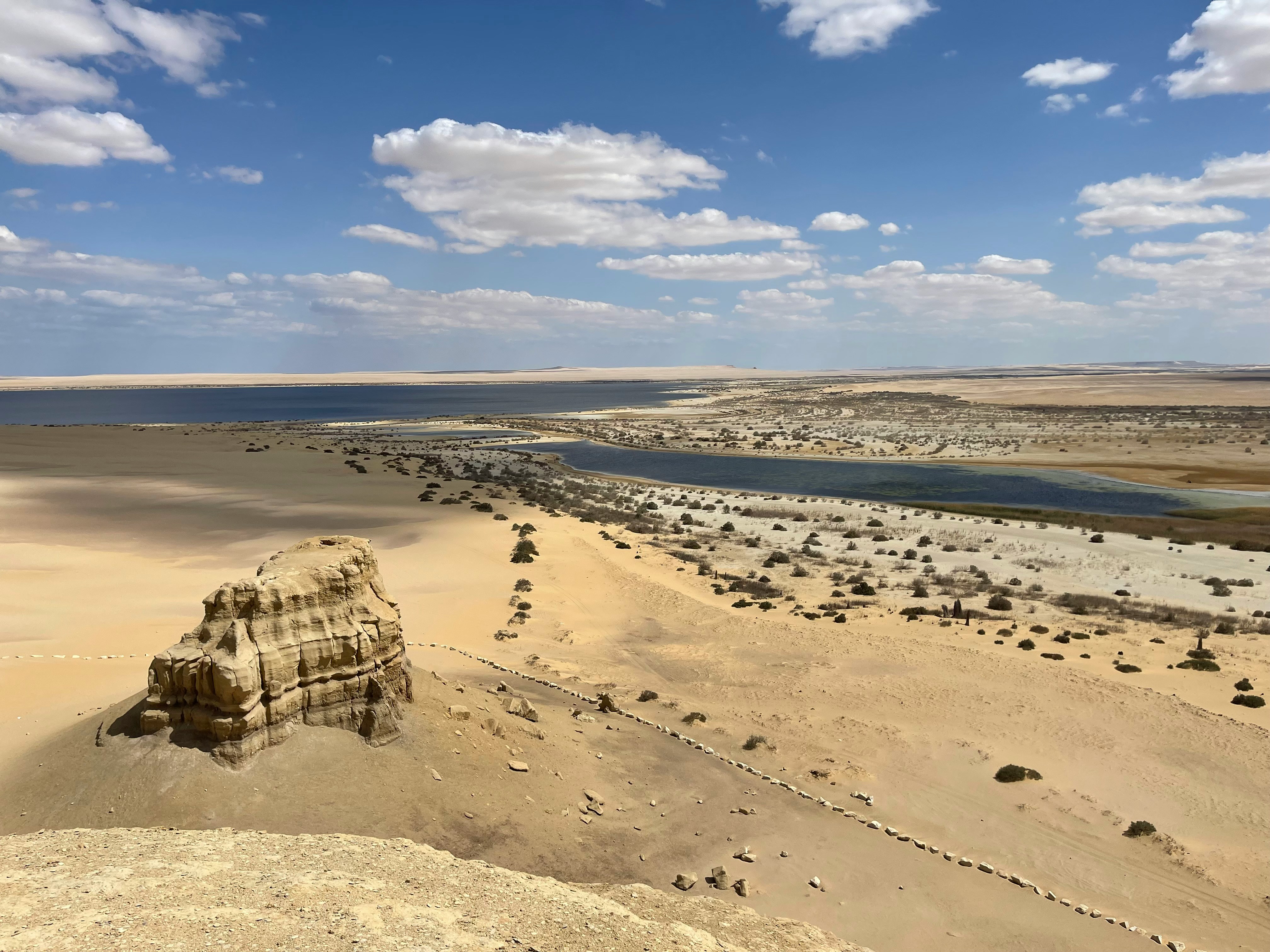
If you're planning a trip, consider how much richer your experience will be with a guide who can not only point out the hieroglyphs but also explain their significance, their history, and the story of their decipherment. It's about connecting with the narrative. For example, on a Siwa Oasis tour from Cairo, while Siwa itself has a unique history, the broader context of Egyptian language and writing is always present in the Egyptian psyche and history. Similarly, a Fayoum day trip from Cairo, with its UNESCO World Heritage site, the Valley of the Whales, offers a glimpse into deep geological time, and understanding the historical context of Egypt through its language enhances the overall journey.
My goal with Bodda Tours is to give you that deeper connection. We’re not just about ticking off sights; we’re about understanding the stories. Whether it's on a private tour of Saqqara and Dahshur, exploring the Step Pyramid of Djoser, or wandering through the bustling lanes of Khan el-Khalili bazaar in Cairo, the history is palpable. And the ability to appreciate the hieroglyphs, even just a little, adds so much to that feeling.
For those who are particularly interested in history and culture, I highly recommend our specialized Egypt history tours. These tours are designed to go deeper, offering more context and insight into the ancient world. We can tailor your itinerary to focus on specific periods or themes, ensuring you get the most out of your visit. It’s about making your trip personal and profoundly memorable.
───────────────────────────────────────────────────────────────────────────────────────────────────────────Why Choose Bodda Tours for Your Egypt Adventure?
I know you’ve got options when planning a trip to Egypt. You see ads everywhere, big and small. But here’s the thing, I’m not a faceless company. I’m Bodda, and I was born and raised right here in Cairo. My passion is showing you the *real* Egypt, the one I grew up with, the one I know like the back of my hand. I want you to feel safe, excited, and like you’re exploring with a friend, not just a tour guide.
When you travel with Bodda Tours, you get:
- 100% Private Tours: Forget crowded buses with strangers. Your tour is just for you, your family, or your friends. We go at your pace, focusing on what *you* want to see and learn. This means no shared vehicles, no fixed schedules, just pure comfort and flexibility.
- Korean-Speaking Guides: This is a big one for many of my guests. Having a guide who speaks your language fluently means no misunderstandings, clear communication, and a deeper connection to the history and culture. It removes that language barrier anxiety completely.
- Comfort is Key: We provide modern, clean cars with air conditioning for all our tours. It’s door-to-door service, from airport pickup to hotel drop-off. Egypt can be hot, and comfort makes all the difference.
- No Scams, No Tricks: This is super important to me. All our tours are verified, and our service is transparent. You won't find any hidden fees or surprise charges with us. We believe in honest service.
- Real Local Experience: I’m Egyptian. I run Bodda Tours myself. I'm not a middleman or a reseller. You're booking directly with the people who care about your experience. This means no agent markups, no commission fees – just direct, genuine service.
- No Fake Safaris: In places like Siwa Oasis, some operators try to pass off "tuktuk safaris" as the real deal. It’s a scam and not an authentic desert experience. With Bodda Tours, especially on our Siwa Oasis private tour or Egypt desert safari tours, we use professional drivers and real 4x4 jeeps for a safe and exhilarating adventure.
- Customization: Love photography? Want to explore local food spots? Need extra time for shopping? Just tell me! I can craft an itinerary that’s perfect for your interests, pace, and style.
- Real Reviews: Don't just take my word for it. I can share recent guest reviews so you can see exactly what others have experienced with Bodda Tours.
- We Make it Right: If anything unexpected happens, like a delay or issue, I’m committed to making it right, including compensation if needed. Your peace of mind is my priority.
I started Bodda Tours because I love Egypt and I love connecting people with its wonders. I want you to leave feeling like you’ve not only seen the sights but truly understood and felt the magic of this land. It’s about creating memories that last a lifetime, with someone you can trust.
───────────────────────────────────────────────────────────────────────────────────────────────────────────Ready to Explore Egypt's Ancient Secrets? Contact Bodda Tours Today
Whether you're fascinated by the decipherment of hieroglyphs, dreaming of the vastness of the Siwa Oasis, the unique landscapes of Fayoum, or the iconic Pyramids of Giza, Bodda Tours is here to craft your unforgettable Egyptian adventure. I'm here to answer your questions and help you plan a trip that's perfectly suited to you. Reach out anytime between 07:00-22:00 daily, and let's start planning!
- WhatsApp: wa.me/201040541153
- KakaoTalk: open.kakao.com/o/smU92Hfi
- Email: info@boddatours.me
- Website: boddatours.me
Sources & References
- UNESCO World Heritage Centre. (n.d.). *Rosetta Stone*. Retrieved from [Search for UNESCO official page for Rosetta Stone if available, otherwise cite general UNESCO Egypt page]
- The British Museum. (n.d.). *The Rosetta Stone*. Retrieved from [https://www.britishmuseum.org/collection/object/Y_EA24]
- Andrews, C. R. (1981). *The Rosetta Stone*. British Museum Press.
- Parkinson, R. B. (1999). *Cracking Codes: The Rosetta Stone and Decipherment*. University of California Press.
![[2026 Egypt Tours] Siwa Oasis Honest Review (Desert Safari & History)](https://boddatours.me/images/hq/siwa-salt-lake-hq.jpg)
![[2026 Egypt Tours] Cairo Cafes & Mint Tea (Local Experience)](https://boddatours.me/images/hq/moez-st-hq.jpg)