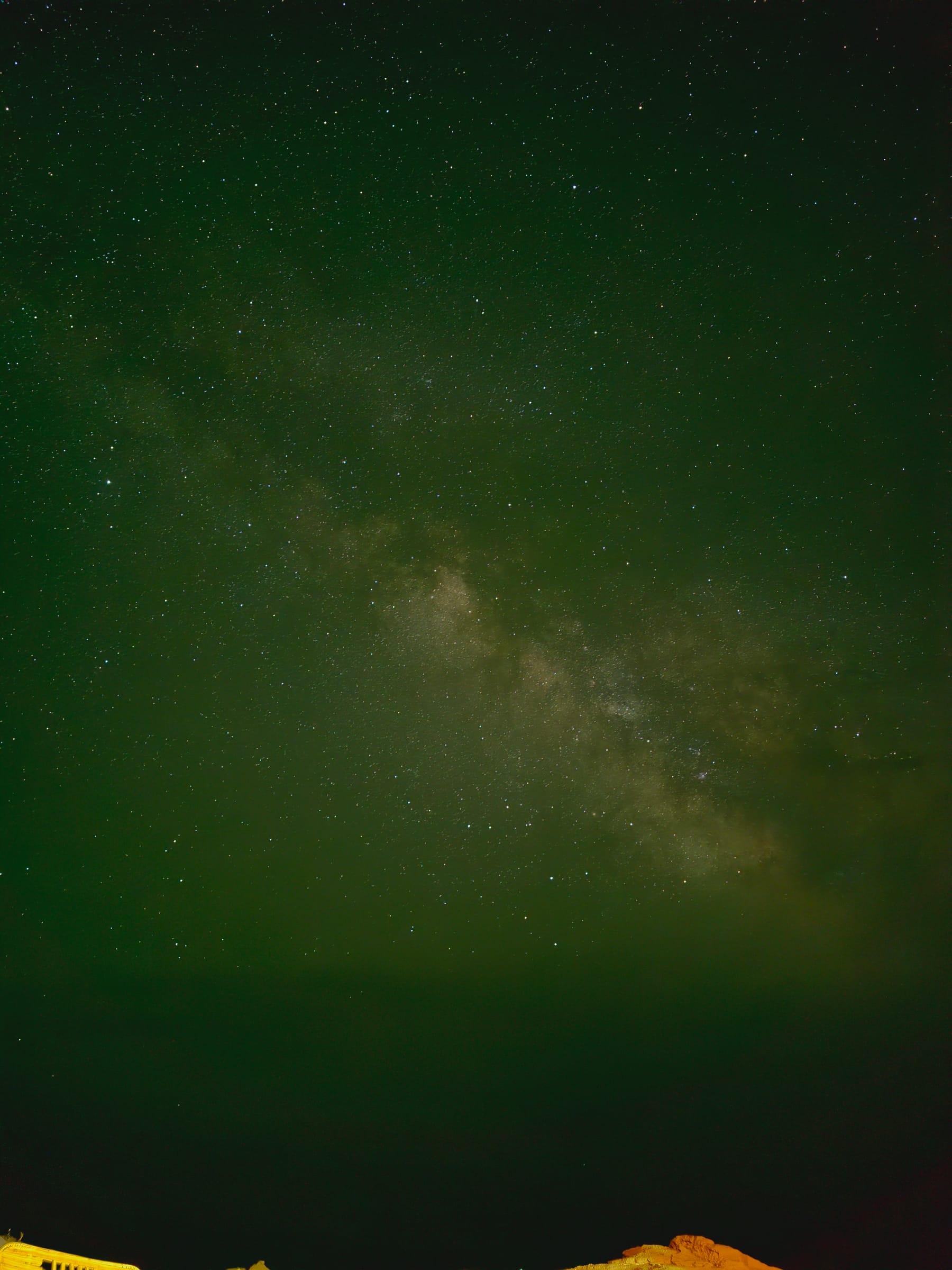
![[2026 Egypt History Tours] Wadi el‑Natrun Trekking Journey (Monastic Legends & Desert Mysteries)](https://boddatours.me/images/hq/magic-lake-hq.jpg)
Egypt history tours: Wadi el‑Natrun trekking for the soul‑searcher
Imagine the wind brushing against stone walls that have heard prayers for 1,600 years. That feeling—raw, reverent, a little chilly—starts the moment you step into Wadi el‑Natrun. I first felt it on a sunrise trek, when the desert light turned the limestone cliffs into golden silhouettes and the distant chants of monks floated on the air.
────────────────
Why Wadi el‑Natrun belongs in every Egypt history tours itinerary
Wadi el‑Natrun is not just another desert stop; it is the cradle of Egyptian monasticism. In the 4th century CE, when the Roman Empire was still reshaping the Mediterranean, a handful of hermits fled the chaos of Alexandria and settled in the remote depressions of this limestone basin. Their quest for solitude birthed the world’s first organized monastic communities. Today, the same caves host living Coptic monks, linking you directly to the earliest Christian ascetics.
The basin’s name means “the valley of the springs.” Fresh water springs have fed the area for millennia, making it a rare oasis in the arid Western Desert. The reliable water allowed the early monks to build churches, cells, and farms, turning an inhospitable rock scar into a thriving spiritual sanctuary.
────────────────
How to experience Wadi el‑Natrun on an Egypt history tours trek
Best time to visit: Late October to early March. Daytime temperatures hover around 20‑25 °C, perfect for walking the stone paths without sweating through your shirt. Nights can dip below 10 °C, so a light jacket is wise.
Getting there: From Cairo, the drive is about 90 km northwest. A private 4×4 from Bodna Tours will pick you up at your hotel, whisk you through the desert, and drop you at the main entrance of the monastery complex. The road is smooth, but the scenery changes dramatically—urban sprawl gives way to flat, wind‑swept plains dotted with ancient palms.
What to wear: Modest, breathable clothing. Long sleeves and trousers protect you from the sun and respect the monastic dress code. Comfortable walking shoes are a must; the terrain ranges from packed sand to uneven stone steps.
What to expect: A guided walk through three major monasteries—St. Macarius, St. Pishoy, and the Monastery of the Syrians—plus optional treks to the nearby caves of Saint Simeon and the desert plateau where the Desert Fathers once meditated. You’ll hear stories of Saint Anthony, the father of monasticism, who never set foot here but whose legacy inspired the first settlers.
────────────────
Walking the monasteries: a step‑by‑step history
St. Macarius the Great Monastery (founded c. 360 CE). The oldest of the three, its walls are built from locally quarried limestone. Inside, the church houses a 6th‑century fresco of the Virgin Mary, still vivid after fifteen centuries. The monks here follow the ancient Coptic rite, chanting in a language that has survived unchanged since the Byzantine era.
St. Pishoy’s Monastery (established c. 400 CE). Legend says Saint Pishoy once healed a crippled camel with a single touch; the story is still told by the monks as they feed their own herd of desert goats. The monastery’s library holds over 1,500 manuscripts, including copies of the Gospel of Thomas, a rare apocryphal text discovered in the 20th century.
Monastery of the Syrians (built in the 7th century CE). This later addition reflects the influx of Syrian monks after the Arab conquest of Egypt. Its architecture blends Coptic and early Islamic motifs—arched doorways with intricate wooden screens.
Each monastery offers a small courtyard where you can sit, sip tea brewed from local mint, and feel the centuries settle around you. The monks are welcoming but reserved; they will smile, nod, and sometimes share a quiet word about the desert’s spiritual power.
─────────���──────
Beyond the walls: trekking the desert trails
After exploring the monasteries, the real trek begins. The trail to the Cave of Saint Simeon winds through a landscape of wind‑scoured rocks, where ancient petroglyphs still mark the steps of early pilgrims. These carvings, dating to the 5th century, depict simple crosses and the occasional palm tree—a reminder that even in the desert, hope grew.
From there, the path climbs to the “Plateau of the Fathers,” a flat expanse where the Desert Fathers practiced extreme asceticism. According to Coptic tradition, Saint Moses the Black spent months here, surviving on dates and water from a hidden spring. Standing on that plateau, you can almost hear the echo of his prayers carried by the wind.
The trek concludes at the “Well of the Seven Springs,” a natural spring that once supplied water to the entire monastic community. The water is still clear and cool; a sip feels like drinking history itself.
────────────────
Legends that linger in the limestone
The desert is a storyteller. One popular legend tells of a hidden treasure buried by the Romans during the crisis of the 3rd century CE. Supposedly, a secret chamber lies beneath the St. Macarius courtyard, marked only by a cracked stone that resembles a lion’s paw. No one has found it, but the tale adds a thrill to every step.
Another myth involves the “White Lady” of the Wadi—a ghostly figure said to appear at dusk, guiding lost travelers to safety. Locals claim she is the spirit of a Byzantine nun who chose to remain in the desert after the Arab conquest, protecting the monks from marauders.
Whether you believe in ghosts or not, the stories are woven into the very fabric of the place. They remind us that Wadi el‑Natrun is a living museum, where each stone holds a whisper from the past.
────────────────
Connecting Wadi el‑Natrun with other historic desert experiences
If you fall in love with the desert’s quiet, you might also enjoy a Siwa Oasis private tour. Siwa’s ancient Egyptian roots go back to the 26th Dynasty, when Pharaoh Amasis built a palace there. The oasis later welcomed Alexander the Great in 331 BCE, who was proclaimed son of Amun at the Temple of the Oracle. A Siwa Oasis tour from Cairo lets you walk the same sand‑covered streets where the Great King once rested.
Further north, the Fayoum tour offers a contrast of wetlands and desert. The Valley of the Whales (Wadi Al‑Hitan) holds fossils of prehistoric whales, while the ancient city of Crocodilopolis once worshipped the crocodile god Sobek. A Fayoum day trip from Cairo adds a paleontological twist to your Egypt desert tours.
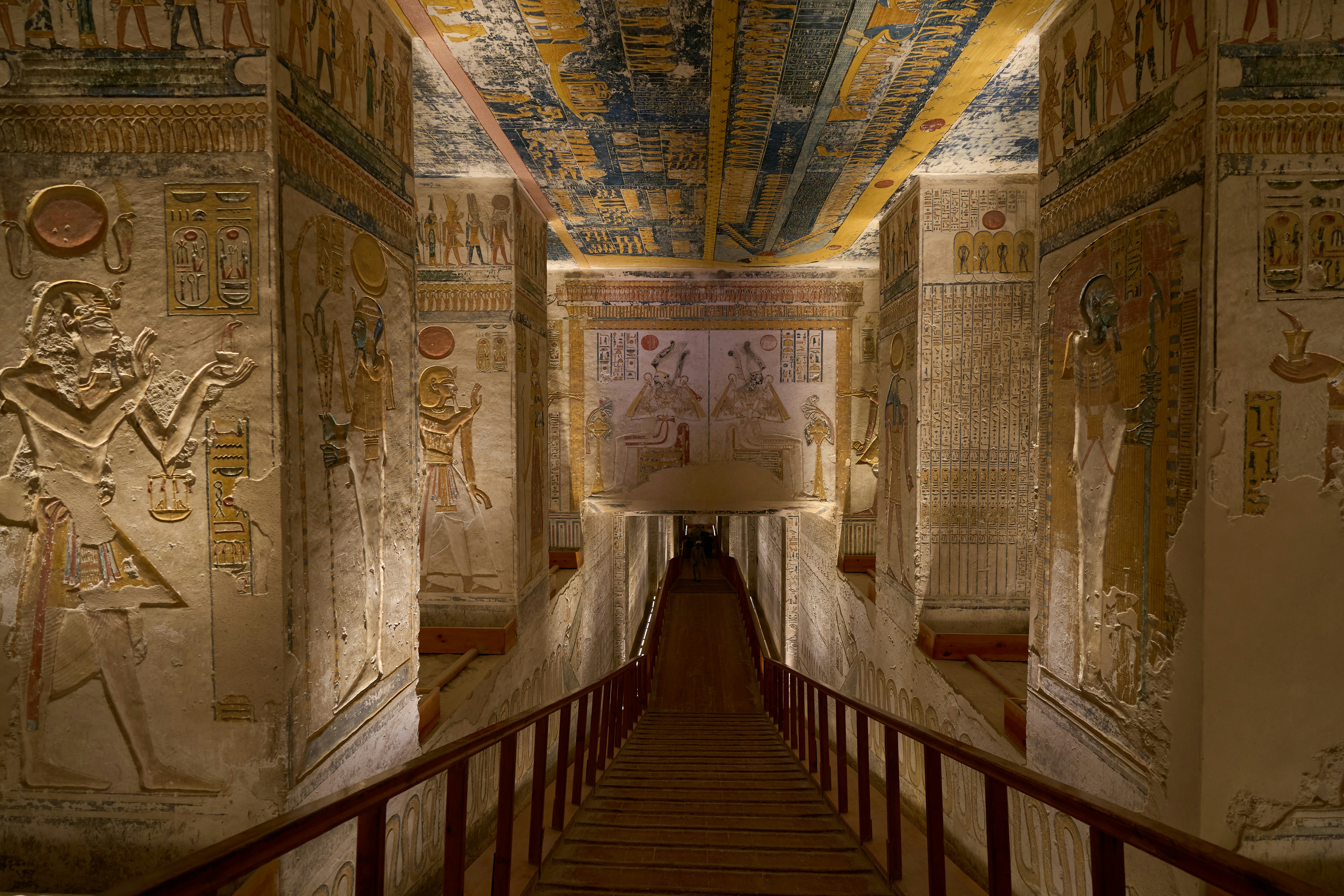
For those craving the grandeur of ancient Egypt’s river civilization, our Luxor tours and Aswan tours dive into Pharaonic splendor—Valley of the Kings, Karnak, Philae Temple, and the colossal Abu Simbel temples. All of these journeys can be stitched together into a multi‑city package, letting you trace the arc from desert monasticism to Nile royalty.
────────────────
Why choose Bodda Tours
When you book an Egypt history tours adventure with me, you get more than a guide—you get a friend who knows every hidden spring, every whispered legend, and every respectful way to interact with the monks.
- No shared buses, no cramped seats — 100% private, comfortable vehicles with air‑conditioning.
- Korean‑speaking guide means zero language barrier for Korean travelers; I can translate ancient Coptic chants into modern understanding.
- No scams, no surprises — verified tours only, transparent service, no hidden fees.
- No tuktuk fake safaris in Siwa — some operators sell bogus tuktuk “safaris.” I only use real 4×4 jeeps with professional drivers.
- Direct booking, direct service — I run Bodda Tours myself, not a middleman.
- No commission fees, no agent markups — the price you see is the price you pay.
- Real traveler reviews available on request — ask for recent guest stories.
- Custom itineraries: photography stops, food preferences, shopping time, your pace.
- If something goes wrong, I make it right — compensation guarantee.
────────────────
Ready to explore Wadi el‑Natrun?
Whether you’re a history buff, a trekker, or simply someone who wants to feel the pulse of ancient spirituality, Wadi el‑Natrun offers a rare blend of desert beauty and monastic heritage. Let’s walk the stone steps together, listen to the wind‑carried chants, and write your own chapter in Egypt’s timeless story.
────────────────
Contact Bodda Tours
If the desert calls your name, reach out. I’m here to tailor a private Egypt history tours experience that fits your curiosity.
- WhatsApp: wa.me/201040541153
- KakaoTalk: open.kakao.com/o/smU92Hfi
- Email: info@boddatours.me
- Website: boddatours.me
────────────────
Sources & References
- Egyptian Ministry of Tourism, “Monastic Sites of Wadi el‑Natrun,” 2024.
- UNESCO World Heritage Centre, “Wadi el‑Natrun Monastic Complex,” accessed September 2026.
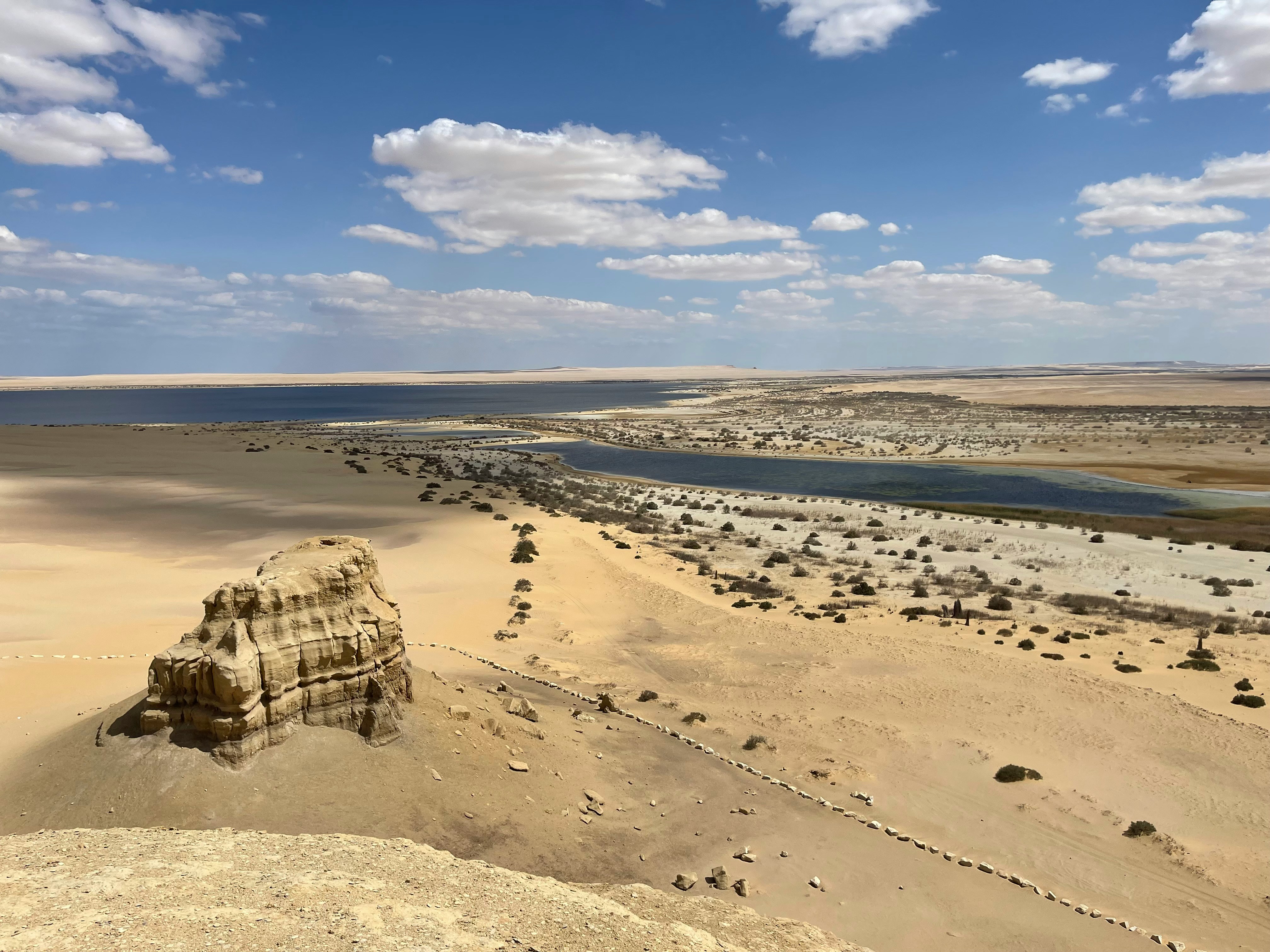
![[2026 Egypt Tours] Siwa Oasis Honest Review (Desert Safari & History)](https://boddatours.me/images/hq/siwa-salt-lake-hq.jpg)