![[2026 Egypt Tours] Egyptian Museum Secrets (Tutankhamun & Mummies)](https://boddatours.me/images/fallback-post.png)
Unveiling the Egyptian Museum: A Time Capsule of Wonders
You know that feeling when you step into a place that just hums with history? That’s the Egyptian Museum for you. It’s not just a building; it’s a treasure chest, and inside are stories that have waited thousands of years to be told. If you’re even thinking about Egypt, you’re probably picturing the pyramids, right? But trust me, the real magic for understanding this ancient civilization often starts right here, in the heart of Cairo.
I remember the first time I walked into the old Egyptian Museum on Tahrir Square. It was packed, a little chaotic, but in the best way. Sunlight streamed through the dusty windows, illuminating display cases overflowing with gold, statues, and artifacts that felt so impossibly old. It’s a place that grabs you and doesn’t let go, pulling you deeper into the lives of pharaohs, queens, and everyday Egyptians from millennia ago. For anyone wanting to truly understand Egypt's incredible past, visiting this museum is an absolute must. It’s where the grand narrative of dynasties, gods, and the afterlife comes vividly to life, long before you even see the pyramids themselves.
This museum is the gateway to understanding why Egypt is so captivating. It’s not just about seeing old things; it’s about connecting with a civilization that shaped so much of our world. From the intricate details on a tiny amulet to the sheer scale of sarcophagi, every object whispers a story. And when you’re surrounded by this much history, having someone local to share the context, the little-known facts, and the genuine passion for it all makes a world of difference. That’s why I always tell people, don’t just tick this off your list; experience it.
────────────────The Golden Allure of Tutankhamun’s Treasures
Imagine holding your breath as you step into a room, and there it is: the solid gold funerary mask of a boy king. It’s a moment that’s hard to describe. The sheer artistry, the richness, and the incredible preservation of Tutankhamun's treasures are astounding. When Howard Carter found his tomb in 1922, it was like stepping back 3,000 years into a time capsule, untouched and overflowing with the wealth and belief systems of the New Kingdom.
The collection is vast, and each piece tells a part of Tutankhamun’s story. You’ll see his famous golden mask, of course, which is just breathtaking. It’s made of solid gold, inlaid with lapis lazuli and other semi-precious stones, and it’s one of the most iconic images of ancient Egypt. But there’s so much more. There are his golden chariots, intricately decorated and surprisingly delicate. You’ll find his golden shrines, nested one inside the other, and his solid gold sarcophagus. Then there are the everyday objects that were placed in his tomb to accompany him into the afterlife: furniture, games, clothing, even preserved food. It’s this combination of the sacred and the mundane, the royal and the personal, that makes the collection so compelling.
What many people don’t realize is the incredible skill of the ancient Egyptian artisans. The craftsmanship is unparalleled. Look closely at the details on the jewelry, the carvings on the furniture, the way the gold was hammered and shaped. It speaks volumes about their understanding of metallurgy and their dedication to their art. For a pharaoh who died so young, he certainly had a tomb fit for a god, reflecting the immense power and belief system of the 18th Dynasty, a period of great prosperity and artistic flourishing in Egypt. This was the era of pharaohs like Akhenaten and Amenhotep III, and Tutankhamun, though a boy, was heir to this rich legacy.
When you’re standing there, it’s easy to get lost in the beauty. But it’s also a profound reminder of the ancient Egyptian obsession with the afterlife. They believed that death was not an end, but a transition to another realm, and that their pharaohs, as divine rulers, needed all the provisions and protection they could get for this journey. The treasures were not just symbols of wealth, but essential tools for eternal life. This is a core concept that runs through all of Egyptian history, from the earliest dynasties right up to the Greco-Roman period.
The Egyptian Museum has housed these incredible artifacts for decades, offering millions of visitors a chance to connect with this history. While the new Grand Egyptian Museum (GEM) is now home to many of these spectacular items, the original museum on Tahrir Square still holds a significant and deeply evocative collection. The experience of seeing these treasures within the historic walls of the Tahrir museum is something special, a tangible link to the past that feels both grand and intimate. It’s a journey through the heart of ancient Egyptian royal power and belief.
────────────────The Silent Majesty of the Royal Mummies
Stepping into the Royal Mummies Hall is a different kind of experience altogether. It’s quieter, more solemn, and undeniably profound. Here, you’re not just looking at artifacts; you’re standing in the presence of pharaohs and queens themselves. The air feels different, charged with the weight of centuries and the mystery of mortality.
This collection includes some of Egypt’s most famous rulers. You might see the mummy of Ramesses the Great, a pharaoh renowned for his long reign and monumental building projects, including the temples at Abu Simbel. There’s also Seti I, his father, another powerful ruler from the 19th Dynasty. You can also find mummies of queens like Hatshepsut (though her mummy is now primarily housed elsewhere, her artifacts are often on display) and other royal family members. Each mummy is a testament to the elaborate mummification process developed by the ancient Egyptians, a sophisticated ritual aimed at preserving the body for the soul’s eternal journey.
The process of mummification itself is a fascinating aspect of ancient Egyptian culture. It involved removing internal organs (except the heart, which was believed to be the seat of intelligence and emotion), drying the body with natron salt, and then wrapping it in hundreds of yards of linen bandages, often inscribed with protective spells and hieroglyphs. This was a highly ritualized and sacred procedure, performed by priests who were also skilled embalmers. It reflects their deep understanding of anatomy and chemistry, honed over centuries of practice since the Old Kingdom.
Seeing these mummies brings history to life in a way that no book or documentary can. You can see the physical features of these ancient rulers, imagine their lives, and contemplate their legacies. It’s a powerful reminder of the human element behind the grand monuments and the epic stories. It connects you to them on a very personal level, bridging the vast gulf of time.
For many, this is the most impactful part of a museum visit. It’s a chance to confront mortality, to marvel at the ingenuity of human preservation techniques, and to stand face-to-face with figures who once commanded empires. It’s a humbling and awe-inspiring experience, a direct link to the individuals who shaped Egypt’s glorious past. It’s a part of the Egyptian Museum that stays with you long after you leave, a quiet reminder of the enduring human quest for immortality.
────────────────Beyond the Pharaohs: Everyday Life and Ancient Beliefs
While Tutankhamun’s gold and the royal mummies are undeniably the stars, the Egyptian Museum is so much more. It’s a vast repository that offers an incredible window into the daily lives, beliefs, and social structures of ancient Egyptians across thousands of years, from the Predynastic period through the Pharaonic eras and into the Greco-Roman times.
Wander through the halls and you’ll find everything from humble pottery and tools used by farmers and craftsmen to intricate jewelry and cosmetics favored by the elite. There are models of ancient boats, showing how they navigated the Nile, and furniture that would have graced the homes of ordinary Egyptians. These everyday objects are crucial for understanding the society as a whole, not just the lives of the pharaohs. They reveal the ingenuity, the artistry, and the social stratification that existed.
The museum also holds an immense collection related to ancient Egyptian religion and mythology. You’ll see statues and reliefs depicting the pantheon of gods and goddesses, such as Ra (the sun god), Osiris (god of the afterlife), Isis (goddess of magic and motherhood), and Horus (the falcon-headed god). Understanding these deities is key to understanding ancient Egyptian cosmology, their concept of order (Ma'at), and their worldview. Their beliefs permeated every aspect of life, from agriculture and kingship to death and resurrection.
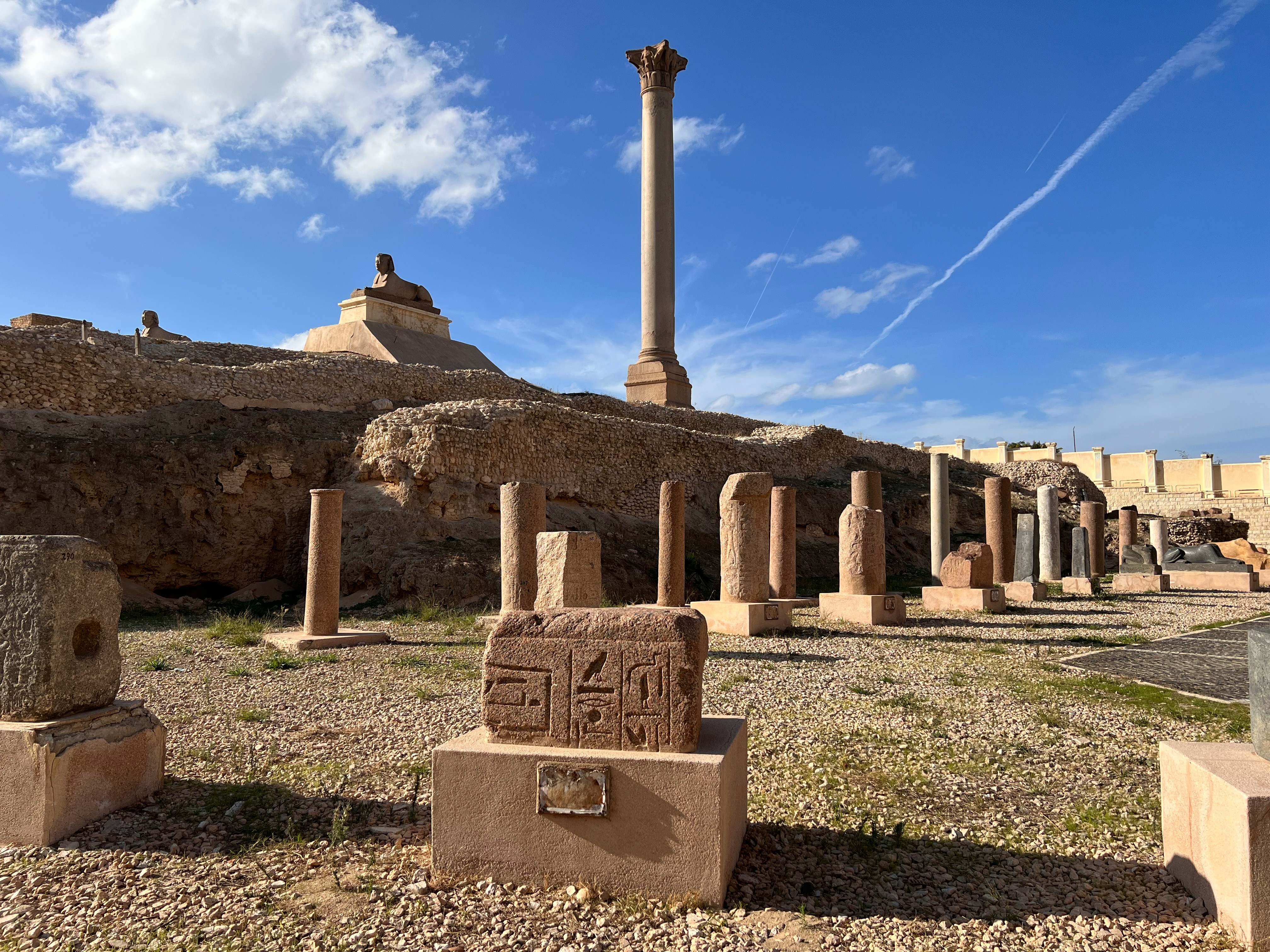
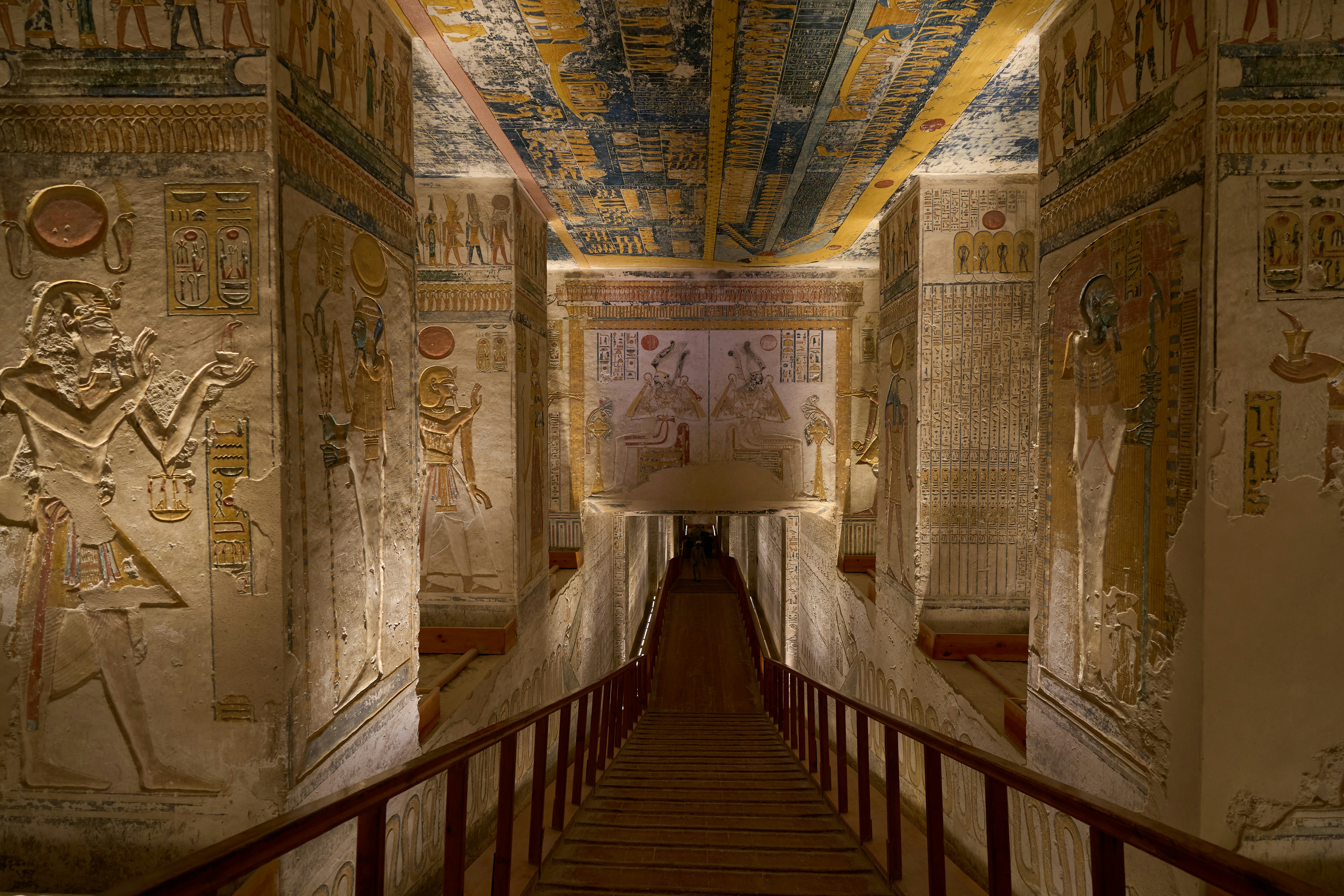
Hieroglyphs are everywhere, and the museum has some of the most significant examples. You can see inscriptions on sarcophagi, stelae (stone slabs), papyri, and temple fragments. While the Rosetta Stone itself is in the British Museum, the Egyptian Museum houses countless other important texts that shed light on history, administration, religion, and literature. Studying these inscriptions offers direct insight into the language and thought processes of ancient Egyptians. For example, the Book of the Dead papyri, often found in tombs, are elaborate guides to help the deceased navigate the underworld and achieve eternal life, illustrating the detailed funerary practices and beliefs.
The sheer breadth of the collection is staggering. You can spend days here and still not see everything. From the early dynasties of unification to the monumental achievements of the New Kingdom (around 1550–1070 BCE) and the later periods influenced by foreign powers like the Persians, Greeks, and Romans, the museum covers it all. It’s a chronological journey through one of the world’s most enduring civilizations, showcasing their innovations in architecture, art, writing, and governance. The artifacts provide tangible evidence of their societal organization, their understanding of astronomy, their medical knowledge, and their complex legal systems.
For anyone fascinated by history, the Egyptian Museum is an essential pilgrimage. It’s where the stories of the pharaohs, the builders of the pyramids, and the creators of one of the most advanced ancient societies come alive. It’s a place that sparks curiosity and wonder, and for me, it’s where the true depth and complexity of ancient Egypt begin to unfold.
────────────────Planning Your Visit: Tips for an Unforgettable Experience
To make the most of your visit to the Egyptian Museum, a little planning goes a long way. It’s a massive place, and with so much to see, you want to be prepared so you can soak it all in without feeling overwhelmed.
Best Time to Visit: Generally, mornings are best to avoid the biggest crowds. Aim to arrive right when it opens. The museum is open daily, but checking the official hours before you go is always a good idea. While Cairo can be hot year-round, the museum itself is air-conditioned, offering a cool respite from the city’s heat. However, getting there and back might mean dealing with the weather, so consider the seasons: autumn (October-April) offers the most pleasant temperatures for exploring the city.
Getting There: The museum is centrally located in Cairo, on Tahrir Square. It's easily accessible by taxi or ride-sharing apps like Uber or Careem. If you’re staying in a hotel in the downtown area, it might even be within walking distance. Public transport is an option, but for comfort and ease, especially in Cairo's busy streets, a private car or taxi is often the most straightforward choice. For a truly seamless experience, especially after a long day of exploring, having a private driver arranged can be a lifesaver.
What to Wear: Egypt is a Muslim-majority country, and while Cairo is quite cosmopolitan, it’s respectful to dress modestly. This means covering your shoulders and knees. Comfortable walking shoes are an absolute must; you’ll be on your feet a lot. Light, breathable fabrics are best, especially during the warmer months. A light scarf can be useful for women, both for modesty and for sun protection.
Making the Most of Your Time: The museum is huge! Before you go, I’d recommend identifying a few key areas or exhibits you absolutely don’t want to miss, like Tutankhamun’s treasures and the Royal Mummies. If you can, consider hiring a licensed guide. A good guide can bring the exhibits to life, explain the historical context, and point out details you might otherwise overlook. It transforms the visit from just looking at things to truly understanding them. This is where having a local guide who knows the museum inside and out, and can share authentic stories, makes a huge difference.
Photography: Photography rules can change, and there might be a separate ticket required for cameras or phones. Generally, flash photography is prohibited to protect the artifacts. Always check the current regulations upon arrival. Some special exhibitions, like the Royal Mummies, may have stricter no-photography policies.
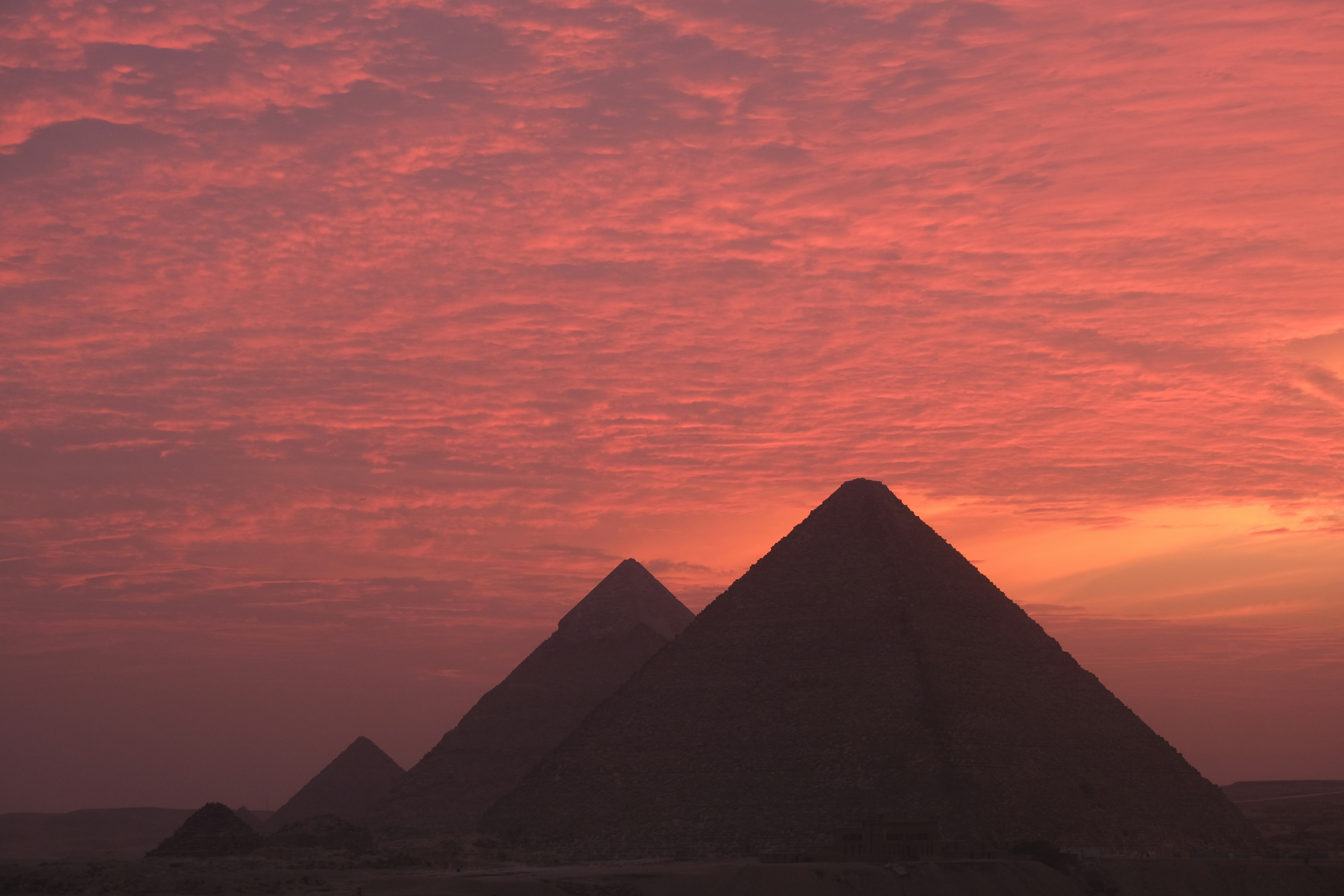
Beyond the Museum: The Egyptian Museum is just one piece of Cairo’s incredible historical tapestry. After your visit, you’re perfectly positioned to explore other iconic sites. You can easily combine a museum visit with exploring Islamic Cairo, wandering through the vibrant Khan el-Khalili bazaar for some authentic souvenirs, or visiting the Saladin Citadel for panoramic city views. And of course, no trip to Cairo is complete without seeing the Great Pyramids and the Sphinx at Giza. These sites, along with Saqqara and Dahshur’s ancient pyramids, offer a breathtaking continuation of your historical journey.
────────────────Why Choose Bodda Tours for Your Egyptian Museum Adventure?
Navigating Cairo and its treasures can feel overwhelming, but with Bodda Tours, it doesn't have to be. We're not a faceless company; we're locals, like me, who are passionate about sharing the real Egypt with you. When you choose Bodda Tours, you’re choosing a genuine, personalized experience that makes you feel safe, excited, and deeply connected to the history you're exploring.
We offer 100% private tours. This means no crowded buses, no fixed schedules that rush you along, and no tired seats. It’s just you, your companions, and the wonders of Egypt. Our vehicles are modern, air-conditioned, and comfortable, providing door-to-door service so you can relax from the moment we pick you up until we drop you off.
For us, clear communication is key. That’s why we offer Korean-speaking local guides. You’ll have someone who can not only translate but also share cultural insights and historical context in a way that makes sense, eliminating any language anxiety and enriching your understanding. This is something truly special that most large tour operators can’t offer.
We pride ourselves on no scams, no tricks. All our tours are verified, and our service is transparent. You won’t encounter hidden fees or unexpected charges. We believe in honest service because we're not middlemen; we're the ones running the tours. This means direct booking, direct service – you're working directly with local Egyptians who genuinely care about your experience.
A critical point, especially if you plan to visit places like Siwa Oasis: Bodda has NO tuktuk fake safaris. In Siwa, some operators try to pass off short, unsatisfying tuktuk rides as desert safaris. We only use real 4x4 jeeps with professional drivers for authentic desert adventures. It’s about providing you with the real deal, not a watered-down imitation.
We understand that travel plans can change, and unexpected things can happen. If anything goes wrong or is delayed during your tour, we make it right or provide compensation. Your peace of mind is our top priority. We also offer custom itineraries, flexible for your interests, whether it’s photography, food, shopping, or just taking things at your own pace. And if you want to hear from others, we have real traveler reviews available on request – just ask!
Basically, when you tour with Bodda Tours, you’re not just a customer; you’re a friend experiencing Egypt with a local who wants you to have the most incredible, safe, and authentic time possible. We are here to help you create memories that will last a lifetime, ensuring you see the best of Egypt without any of the usual travel headaches.
────────────────Ready to Explore Egypt's Treasures? Contact Bodda Tours Today
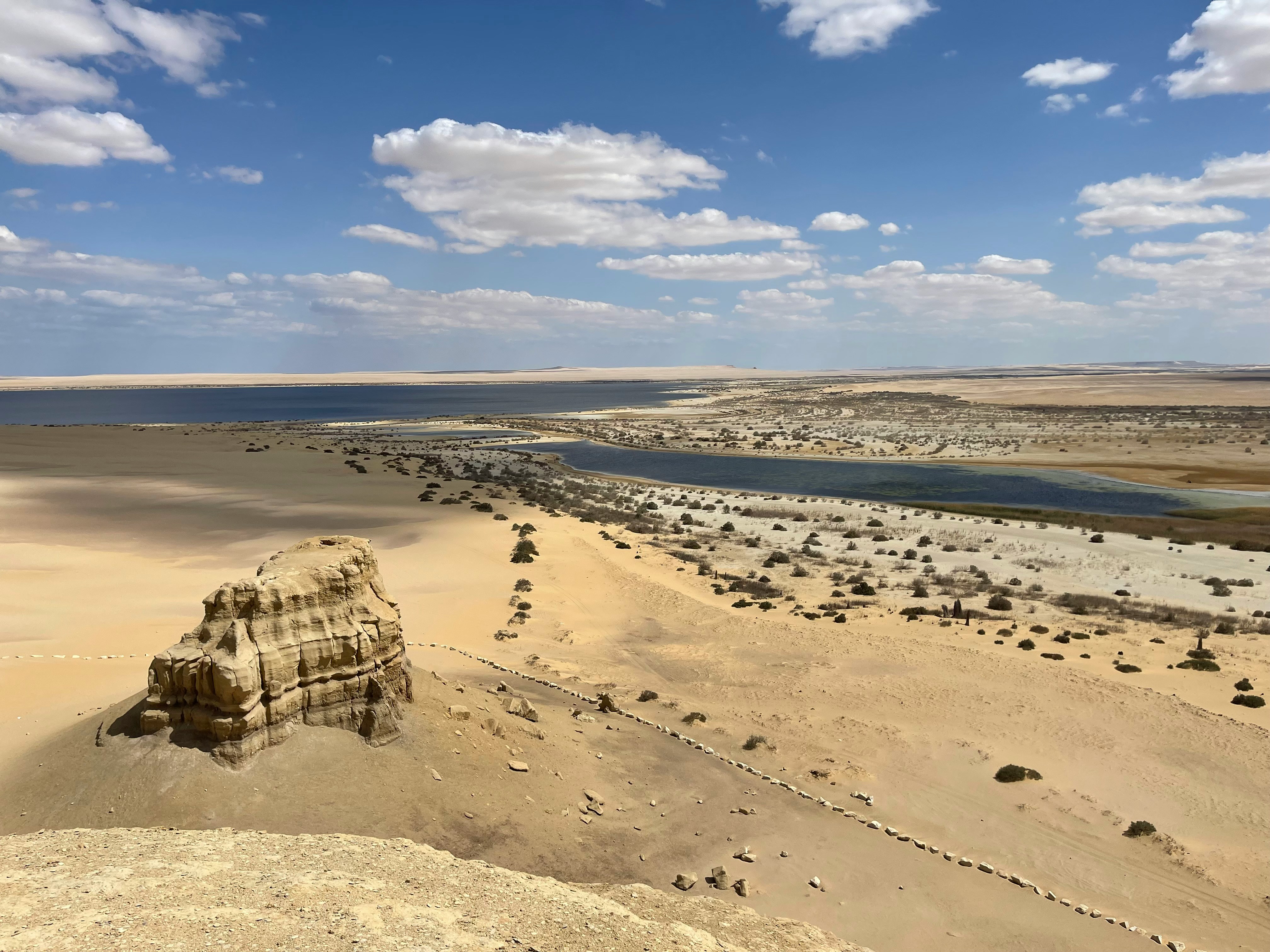
Whether you dream of uncovering the secrets of the Egyptian Museum, exploring the pyramids, or venturing into the vast desert landscapes like Siwa Oasis or Fayoum, Bodda Tours is here to make your journey unforgettable. We’re available daily from 07:00 to 22:00 Cairo time to help you plan your perfect Egyptian adventure.
WhatsApp: wa.me/201040541153 (Fastest response!)
KakaoTalk: open.kakao.com/o/smU92Hfi
Email: info@boddatours.me
Website: boddatours.me
Sources & References
- Egyptian Ministry of Tourism and Antiquities. (Official Website & Publications).
- UNESCO World Heritage Centre. (Official Website - World Heritage List).
- Grimal, N. (1992). *A History of Ancient Egypt*. Blackwell Publishing.
- Wilkinson, R. H. (2011). *The Complete Gods and Goddesses of Ancient Egypt*. Thames & Hudson.
![[2026 Egypt Tours] Siwa Oasis Honest Review (Desert Safari & History)](https://boddatours.me/images/hq/siwa-salt-lake-hq.jpg)
![[2026 Egypt Tours] Cairo Cafes & Mint Tea (Local Experience)](https://boddatours.me/images/hq/moez-st-hq.jpg)