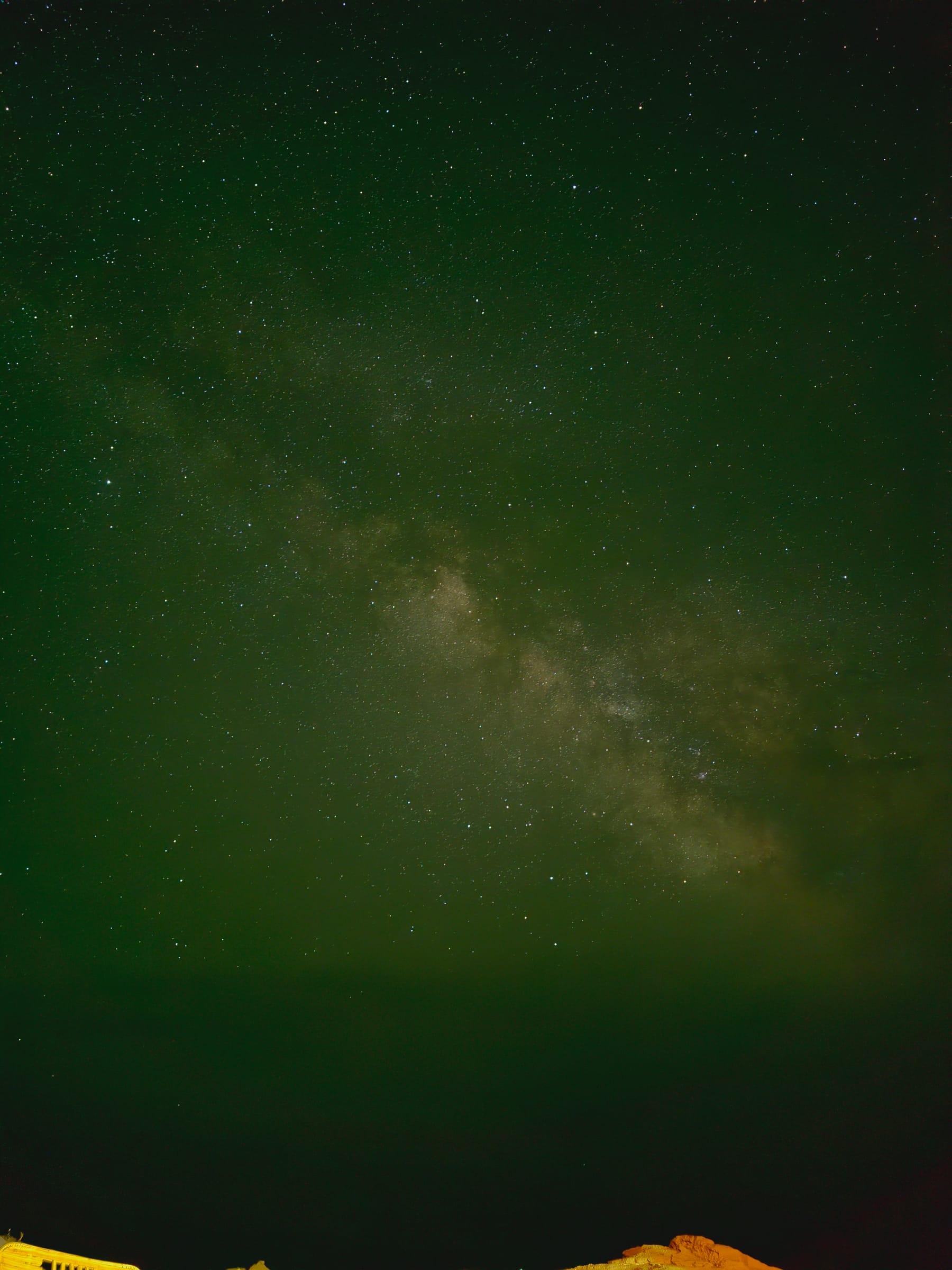
![[2026 Egypt Tours] Luxor Museum Wonders (Ancient & Modern)](https://boddatours.me/images/hq/luxor-hq.jpg)
Luxor Museum: More Than Just Artifacts (Your Egypt History Adventure Begins)
Imagine standing before objects that whisper tales of pharaohs and queens, of gods and mortals. That's the feeling I get every time I walk into the Luxor Museum. It’s not just a building filled with old things; it’s a portal. A place where you can truly connect with the soul of ancient Egypt. If you're thinking about an Egypt history tour, this is a stop you absolutely can’t miss. It’s one of the main reasons why I love recommending a dedicated Luxor tour.
Many travelers ask me, "Bodda, what's the *real* story behind these artifacts?" And honestly, that's the question that fuels my passion. The Luxor Museum does an amazing job of bringing those stories to life. It feels so different from just seeing things behind glass in another city. Here, you feel the presence of the past. You can almost hear the echoes of the Nile.
My own connection to this place runs deep. I grew up hearing stories about the treasures hidden in the sands, and seeing them displayed with such care and context here is incredibly moving. It’s a testament to Egypt’s enduring legacy. For anyone planning an Egypt tours adventure, especially those looking for deep historical immersion, the Luxor Museum should be high on your list.
The museum itself is designed to be modern and user-friendly. It’s not overwhelming like some older museums can be. The displays are well-lit, and the information provided is clear and insightful. This allows you to really focus on the beauty and significance of each piece. It's a place where you can spend hours, or just have a focused, impactful visit. Either way, you leave with a profound sense of wonder.
When you think about Egypt, you probably picture the pyramids, right? They're incredible, of course. But the history here goes so much deeper. The artifacts in the Luxor Museum give you a glimpse into the daily lives, the beliefs, and the artistic achievements of people who lived thousands of years ago. It’s a chance to understand the civilization that shaped so much of our world.
I've seen firsthand how a good guide can transform a museum visit. Without context, you're just looking at statues. With the right story, that statue becomes a pharaoh, a god, a symbol of power and devotion. That's why I always encourage people to consider a private Egypt tour. It’s about experiencing Egypt, not just seeing it.
One of the most striking aspects of the Luxor Museum is how it presents artifacts from different periods of Egyptian history, from the Old Kingdom right through to the Greco-Roman era. This chronological flow helps you understand the evolution of Egyptian art, religion, and society. It’s like a timeline of human achievement right before your eyes.
I particularly love the way they highlight key pieces. For example, the magnificent statue of Tutankhamun in his youthful prime, or the stunning collection of carved reliefs that once adorned the temples. These aren't just random objects; they are windows into a lost world, meticulously preserved for us to discover.
For travelers interested in photography, the lighting and presentation in the Luxor Museum are excellent. You'll find plenty of opportunities to capture stunning images, though always be mindful of the rules and respect the sacred nature of these artifacts. A private Egypt tour can also ensure you have ample time for photography without feeling rushed.
The museum is situated on the east bank of the Nile, which is the historical heart of ancient Thebes. This location itself adds to the atmosphere. As you leave the museum, you're already surrounded by the legacy of Luxor. It’s a powerful feeling to be in a city that has been continuously inhabited for thousands of years, a true cradle of civilization.
The collection is curated in a way that tells a story. It’s not just a random assortment of objects. You’ll find chambers dedicated to specific themes, like royal burials or the cult of Amun-Ra. This thematic approach makes it easier to digest the vast amount of information and appreciate the interconnectedness of ancient Egyptian beliefs and practices.
I often find myself drawn to the depictions of daily life. These objects, like tools, furniture, and personal adornments, offer a more intimate connection to the people of ancient Egypt. They remind us that these were real individuals with hopes, dreams, and everyday challenges, just like us.
The museum’s architecture also deserves a mention. It’s a modern building that complements the ancient treasures it houses. The design is elegant and functional, allowing the artifacts to be the stars of the show. It provides a comfortable and air-conditioned escape, especially during the warmer months when exploring outdoor sites can be challenging.
When planning your Egypt tours, consider how much time you want to dedicate to each site. The Luxor Museum can easily fill a few hours, and it's best experienced when you're not rushing. This is another reason why a private Egypt tour is so valuable. Your itinerary is tailored to your pace and interests.
For those interested in the mechanics of mummification, the adjacent Mummification Museum is a fascinating, albeit slightly intense, complement to the main Luxor Museum. It delves into the intricate process and beliefs surrounding death and the afterlife in ancient Egypt. It's a powerful reminder of how central these concepts were to their society.
The Mummification Museum provides a more focused look at one specific, yet incredibly important, aspect of ancient Egyptian culture. You'll see the tools used in the embalming process, the materials employed, and learn about the rituals performed. It’s a stark but essential part of understanding their worldview.
This museum is smaller than the main Luxor Museum, making it a quick but incredibly insightful visit. It's often overlooked by travelers rushing between major temples, but I highly recommend it for anyone wanting a comprehensive understanding of Egyptian funerary practices. It really puts into perspective the incredible efforts they went to preserve the body for the afterlife.
The collection includes actual mummified animals, which were also prepared for the afterlife. This highlights the religious significance placed on the animal kingdom as well. It’s a sobering but vital part of the historical narrative.
For travelers seeking a deeper understanding of Egyptian history and culture, the combination of the Luxor Museum and the Mummification Museum offers an unparalleled experience. It’s a journey through art, belief, and the very essence of what it meant to live and die in ancient Egypt. This is what makes a personalized Luxor tour with a knowledgeable guide so rewarding.
The **Mummification Museum** is particularly effective at dispelling myths and presenting the scientific and religious aspects of the practice. It's a far cry from the sensationalized portrayals you might see in movies. You'll gain a real appreciation for the skill and knowledge of the ancient embalmers.
I've had guests who were initially hesitant about the Mummification Museum, thinking it might be too graphic. However, they always leave amazed by the historical and scientific depth. The displays are presented respectfully and are highly informative. It's an educational experience, not a scare tactic.
Consider this: the ancient Egyptians believed the preservation of the body was crucial for the soul's journey in the afterlife. The elaborate mummification process, as detailed in these museums, was a direct reflection of this profound belief system. Understanding this is key to understanding ancient Egyptian civilization.
The artifacts in the Luxor Museum are not just remnants of the past; they are testaments to human ingenuity, artistic expression, and spiritual depth. From the intricate jewelry worn by royalty to the hieroglyphic inscriptions that tell stories of gods and kings, each object has a narrative waiting to be discovered.
One of my favorite sections in the Luxor Museum is the collection of statuary. The sheer artistry and detail in these pieces are breathtaking. You can see the evolution of sculptural styles over centuries, from the monumental to the more intimate and lifelike.
If you're a photography enthusiast, the Luxor Museum offers fantastic opportunities. The lighting is carefully managed to protect the artifacts while showcasing their beauty. Imagine capturing the serene gaze of a pharaoh's statue or the vibrant colors of a painted relief. A private Egypt tour ensures you have the time and flexibility to do just that.
The museum's location is also a huge advantage. It's centrally located in Luxor, making it easy to combine with visits to nearby temples like Luxor Temple or the Karnak Temple Complex. When you book a private Egypt tour with Bodda Tours, we can craft an itinerary that seamlessly integrates these sites, maximizing your time and experience.
The **Valley of the Kings tour** and the **Valley of the Queens tour** are often high on people's lists when they visit Luxor, and rightly so. However, the Luxor Museum provides the crucial context that helps you appreciate those incredible tombs even more. It's the bridge between the grand temples and the hidden burial sites.
For those who love diving deep into history, the Luxor Museum is a treasure trove. It’s a place where you can spend hours poring over details, learning about dynasties, and tracing the lineage of pharaohs. It’s an immersive experience that goes far beyond a superficial glance.
The museum also houses important statues that were originally from Karnak Temple. Seeing these colossal figures up close, outside of their original context, allows for a different kind of appreciation of their scale and craftsmanship. It’s a chance to get up close and personal with monumental art.
The way the museum is laid out guides you through different periods and themes. You'll find sections dedicated to royal burials, the worship of gods, and the administrative and daily life of ancient Egyptians. This structured approach makes learning enjoyable and accessible.
I believe that understanding the context of these artifacts is just as important as seeing them. The Luxor Museum excels at providing this context, making the visit incredibly enriching. It’s why I always recommend it as a cornerstone of any Luxor tours itinerary.
If you're planning a trip to Egypt and considering the **Fayoum Oasis tour** or a **Siwa Oasis tour**, remember that Luxor represents a different, though equally vital, facet of Egypt's ancient past. Each destination offers a unique window into this incredible civilization.
The sheer volume and quality of artifacts on display are remarkable. From intricate jewelry and sarcophagi to monumental statues and everyday objects, the Luxor Museum offers a comprehensive overview of ancient Egyptian civilization. It's a curated journey through millennia of history.
The museum's commitment to modern display techniques ensures that the artifacts are presented in the best possible light. Climate-controlled environments and sophisticated lighting systems preserve these ancient treasures while making them accessible and engaging for visitors. This is crucial for maintaining the integrity of such important historical sites.
I always tell my friends who are planning trips to Egypt: don't just tick off the famous sites. Take the time to understand them. The Luxor Museum, along with the Mummification Museum, is a prime example of where you can do just that. It provides the depth and context that truly elevates an Egypt history tour.
What makes a visit here truly special is the feeling of discovery. You're not just passively observing; you're actively engaging with the past. Each artifact has a story to tell, and the museum provides the keys to unlocking those narratives. It's an intellectual and emotional journey rolled into one.
For travelers who are fascinated by the afterlife beliefs of ancient Egyptians, the Mummification Museum is an absolute must-see. It provides a detailed and respectful look at a practice that was central to their spiritual world. It’s a profound insight into their understanding of eternity.
The museum's collection includes actual tools and materials used in mummification, offering a tangible connection to the ancient embalmers. You'll see the linen wrappings, the natron salts used for drying, and the various unguents and resins applied. It’s a fascinating, if slightly eerie, glimpse into ancient practices.
I think it’s important to remember that these museums aren't just about dead kings and queens. They are about the people who created this civilization, their beliefs, their art, and their everyday lives. The Luxor Museum, in particular, does a fantastic job of showcasing this human element.
The sheer scale of some of the exhibits is awe-inspiring. Imagine standing next to a colossal statue of Amenhotep III, or seeing the intricate details of a royal sarcophagus. These are moments that stay with you long after you've left Egypt. This is why I love creating custom Luxor tours that allow ample time for these profound experiences.
The museum's location on the east bank of the Nile, across from the West Bank's necropolises, places it at the heart of ancient Thebes. This geographical significance adds another layer to the experience, connecting the museum's treasures to the very land from which they came.
When you consider the longevity and brilliance of the ancient Egyptian civilization, visiting places like the Luxor Museum and the Mummification Museum is essential. They are not just repositories of artifacts; they are living testaments to a culture that continues to captivate the world.
I always encourage travelers to ask questions. If you're on a private Egypt tour with me, I'm there to answer them! But even on your own, don't be afraid to delve deeper. The more you explore, the richer your understanding will be.
The museum's modern approach to exhibition design means that even complex historical and religious concepts are made accessible. The use of interactive displays, clear signage, and well-organized sections ensures that visitors of all ages and backgrounds can engage with the material.
For anyone planning a trip that includes Luxor, I can't stress enough the importance of these museums. They provide a crucial foundation for understanding the temples, tombs, and other ancient sites you'll encounter. It's about building a complete picture, not just seeing individual pieces.
The **Mummification Museum** offers a particularly unique perspective, focusing on a practice that is both fascinating and central to ancient Egyptian beliefs about the afterlife. It’s a journey into their spiritual world that is both educational and thought-provoking.
The artifacts on display are in remarkable condition, a testament to the skill of the ancient embalmers and the preservation efforts of the museum. You’ll see linen bandages, funerary masks, and even canopic jars that held the internal organs. It’s an intimate look at their rituals.
When I recommend a Luxor tour, I always make sure to highlight these museums. They offer a different kind of magic than the grand temples, a more detailed, intimate look at the lives and beliefs of the people who built this extraordinary civilization. It’s about connecting with the human story behind the monumental achievements.
The museum's collection of royal statues is particularly impressive, featuring pieces from various pharaohs and dynasties. Seeing these majestic figures up close allows for an appreciation of the artistic skill and the messages of power and divine kingship they were intended to convey.
For those who have already experienced the grandeur of the pyramids or the serenity of the **Siwa Oasis tour**, Luxor offers another layer of Egypt's incredible history. The museums here provide the context and depth that make the entire journey so much more meaningful.
It’s also worth noting that the Luxor Museum is a great place to visit if you have limited time but want to get a solid overview of ancient Egyptian art and history. The curated exhibits provide a focused and impactful experience.
The **Mummification Museum** is a powerful reminder of the ancient Egyptians' profound beliefs about death and the afterlife. It’s a subject that might seem morbid to us today, but for them, it was a vital part of existence. Understanding this is key to understanding their civilization.
The museum's exhibits are thoughtfully arranged, guiding you through the stages of mummification and the associated rituals. You’ll learn about the removal of organs, the drying process using natron salt, and the intricate wrapping of the body in linen bandages.
I’ve seen many travelers moved by the displays in both museums. The Luxor Museum for its sheer beauty and historical significance, and the Mummification Museum for its profound insight into ancient beliefs. It’s an emotional and intellectual journey all in one.
The collection of tomb reliefs in the Luxor Museum is another highlight. These carved and painted scenes offer glimpses into the lives of nobles and officials, depicting everything from banquets and hunts to religious ceremonies. They are vibrant narratives from the past.
For anyone planning an Egypt history tour, these museums are essential. They provide the context, the depth, and the sheer wonder that makes traveling to Egypt so unforgettable. It’s about more than just sightseeing; it’s about understanding.
The museum's commitment to conservation is evident, ensuring that these priceless artifacts are preserved for future generations. This dedication allows us to continue to learn from and be inspired by the achievements of ancient Egypt.
A private Egypt tour allows you to explore these treasures at your own pace, with a guide who can bring the stories to life. It's about creating memories, not just checking off a list.
The Mummification Museum, while focusing on a specific aspect, provides a truly unique perspective on ancient Egyptian society and its beliefs. It's a testament to their complex understanding of life, death, and the cosmos.
Finally, I want to emphasize that visiting these museums is a chance to connect with the human element of ancient Egypt. Beyond the grand monuments, these artifacts reveal the lives, beliefs, and artistry of the people who shaped this incredible civilization. It’s this connection that makes a trip to Egypt so profoundly meaningful.
It’s the feeling of awe when you see a statue that’s thousands of years old, yet still looks so alive. It's the understanding that comes from learning about their intricate rituals. It’s the sheer beauty of the craftsmanship. These are the moments that define an Egypt tours experience.
For those planning a trip to Egypt, especially if you're considering destinations like the **Fayoum Oasis tour** or the iconic **Siwa Oasis tour**, Luxor offers a profound historical counterpoint. The Luxor Museum and Mummification Museum are essential components of any comprehensive Egypt history tour.
The museum’s strategic location on the east bank of the Nile places it within easy reach of other key Luxor attractions, making it a central part of any well-planned itinerary. This accessibility, combined with its rich collections, makes it a must-visit destination.
When you choose a private Egypt tour, you are choosing an experience tailored to your interests and pace. For the Luxor Museum and Mummification Museum, this means having the time to truly absorb the history, ask questions, and appreciate the incredible artistry on display.
The artifacts here are not just objects; they are storytellers. They speak of pharaohs and their divine right to rule, of priests and their sacred duties, and of ordinary people and their hopes for the afterlife. The Luxor Museum is where these stories are most vividly told.
I've guided many travelers through these museums, and the reactions are always the same: wonder, fascination, and a deep appreciation for the enduring legacy of ancient Egypt. It's an experience that truly stays with you.
The Mummification Museum provides a focused, yet comprehensive, look at one of ancient Egypt's most defining practices. It’s a crucial piece of the puzzle for understanding their complex belief system and their preparations for eternity.
The preservation of these artifacts is a remarkable feat, and the museums do an excellent job of showcasing them in a way that respects their historical and cultural significance. It’s a privilege to be able to see them up close.
So, when you’re thinking about your Egypt tours, remember the depth and richness that the Luxor Museum and Mummification Museum offer. They are the keys to unlocking a deeper understanding of this magnificent civilization.
Why choose Bodda Tours for your Luxor adventure? We specialize in private Egypt tours, meaning no shared buses, no fixed schedules, and no crowded seats. You get a comfortable, modern vehicle with A/C and door-to-door service. Our verified tours mean no scams or tricks, and with Korean-speaking local guides, you'll experience zero language anxiety. We offer direct booking and service from real Egyptians who care, ensuring no commission fees or hidden charges. We’re dedicated to making your trip seamless and unforgettable, with genuine service and a guarantee to make things right if anything goes wrong. We've got no tuktuk fake safaris in Siwa, and we focus on real, professional experiences everywhere.
Ready to Explore Luxor's Treasures? Contact Bodda Tours Today
Whether you dream of exploring the grand temples, delving into the secrets of the pyramids, or experiencing the magic of the desert oases, Bodda Tours is here to make your Egyptian adventure a reality. We offer personalized private tours designed for comfort, authenticity, and unforgettable memories. Reach out anytime between 07:00-22:00 daily to start planning your journey.
- WhatsApp: wa.me/201040541153
- KakaoTalk: open.kakao.com/o/smU92Hfi
- Email: info@boddatours.me
- Website: boddatours.me
Sources & References
- Egyptian Ministry of Tourism and Antiquities. (Official Website).
- UNESCO World Heritage Centre. (Official Website).
- Wikipedia. (Various articles on Luxor Museum, Mummification Museum, Ancient Egypt).
![[2026 Egypt Tours] Siwa Oasis Honest Review (Desert Safari & History)](https://boddatours.me/images/hq/siwa-salt-lake-hq.jpg)
![[2026 Egypt Tours] Cairo Cafes & Mint Tea (Local Experience)](https://boddatours.me/images/hq/moez-st-hq.jpg)
![[2026 Egypt Tours] Red Sea Diving Secrets (Ras Mohamed & Blue Hole)](https://boddatours.me/images/fallback-post.png)