![[2026 Egypt Tours] Philae Temple's Magic (Isis's Last Refuge)](https://boddatours.me/images/fallback-post.png)
Philae Temple: Isis's Last Refuge (Aswan Private Tours)
Imagine standing on an island, the gentle lapping of the Nile around you, and before you, a temple so beautiful it feels like it’s floating. That’s Philae Temple for you. It’s not just a pile of ancient stones; it’s a place that whispers stories of goddesses, pharaohs, and a time when faith moved mountains… or rather, islands.
Thinking about an Aswan tour? You absolutely have to put Philae Temple at the very top of your list. It’s one of those spots that just takes your breath away, a real highlight of any private Egypt tour. I’ve seen it countless times, and it never fails to make me feel something special. It’s this incredible feeling of peace mixed with awe.
Many travelers searching for Egypt history tours or specific Aswan tours often ask me about Philae. Is it worth the trip? Oh, absolutely. It’s a testament to human ingenuity and devotion. If you’re planning your Egypt travel adventure, especially if you’re looking for special Egypt tours that go beyond the usual, Philae is a must-see.
────────────────The Island Sanctuary: A Feeling of Sacredness
The first thing that hits you when you approach Philae is its setting. It’s on Agilkia Island, and getting there involves a short, serene boat ride across the Nile. As the main island comes into view, with the temple complex bathed in sunlight, it feels like you're sailing towards a lost world. The water reflects the ancient stones, making the whole scene almost surreal. It’s a magical entrance that sets the tone for the entire visit.
You can feel the spiritual energy of the place. This was one of the last places in Egypt where the ancient Egyptian religion was practiced, long after it had faded elsewhere. Imagine priests and priestesses performing rituals to Isis, the goddess of magic, motherhood, and healing, right here. That sense of continuity, of a sacred tradition enduring for so long, is palpable. It makes you feel connected to thousands of years of human belief and devotion.
For anyone interested in Egypt history tours, understanding the transition from Pharaonic times to the Greco-Roman period is fascinating. Philae Temple is a prime example of this fusion. The architecture beautifully blends Egyptian traditions with Hellenistic influences. It’s a visual representation of how cultures interact and evolve. This is precisely the kind of depth I love to share on my private Egypt tours, offering more than just sightseeing.
────────────────Philae Temple: The Goddess Isis and Her Last Stand
Philae Temple is dedicated to Isis, one of the most important goddesses in ancient Egyptian mythology. She was revered as the mother of Horus, wife of Osiris, and a powerful sorceress. The temple complex here was a major cult center for her, drawing pilgrims from all over the ancient world.
The history of Philae is long and complex. While the current structures primarily date from the Ptolemaic and Roman periods (roughly 3rd century BCE to 4th century CE), the site itself was considered sacred much earlier. The Romans, who often adopted and adapted local deities, continued to patronize the temple, even as Christianity began to spread.
What makes Philae so significant is that it was one of the very last bastions of ancient Egyptian paganism. The official decree by Emperor Theodosius I in 391 CE banning pagan worship marked the end of an era. However, worship at Philae is believed to have continued in secret for some time, possibly into the 6th century CE. This longevity is astonishing and speaks to the deep-seated devotion to Isis.
For travelers on Aswan tours, this historical context adds so much richness. It’s not just about seeing beautiful ruins; it’s about understanding the immense span of Egyptian civilization and the profound impact of its religious beliefs. I always try to convey this sense of enduring faith when I guide my guests through these ancient spaces.
────────────────The Great Rescue: Saving Philae from the Waters
This is a story of modern heroism that’s just as dramatic as any ancient legend. You see, Philae Temple was originally on a natural island in the Nile, but the construction of the Aswan Low Dam in the early 20th century meant the temple was regularly submerged for months at a time. Imagine that – these magnificent structures disappearing underwater for half the year!
The situation became even more critical with the construction of the High Dam in the 1960s, which would have permanently drowned the island. This posed a significant threat to one of Egypt’s most precious cultural treasures. Thankfully, the world rallied.
An incredible international effort, led by UNESCO, took place from 1972 to 1980. The entire temple complex was meticulously dismantled, stone by stone, recorded, and then painstakingly reassembled on the higher ground of Agilkia Island. It was a monumental feat of engineering and preservation, ensuring that Philae’s story and beauty would not be lost forever.
When you visit Philae today, you are walking through a testament to both ancient artistry and modern dedication. It’s a powerful reminder that preserving history is a continuous journey. This rescue mission is a key part of the Philae narrative that I love sharing with guests on private Egypt tours, highlighting how important these sites are to us and the world.
────────────────Exploring Philae: Key Highlights of the Temple Complex
As you explore Philae, you’ll find several key areas that truly capture the essence of the site. Each part tells a different story within the larger narrative of Isis worship and Greco-Roman influence.
The First Pylon
Your journey begins with the imposing first pylon, marking the entrance to the main temple precinct. It’s adorned with impressive reliefs depicting Ptolemaic rulers making offerings to the gods. Standing here, you get a sense of the grandeur that awaits you inside. The sheer scale is designed to impress and to signify the divine power housed within.
The Court of Offerings
Beyond the first pylon lies a vast open court. This area was used for processions and rituals. Look closely at the walls; you’ll find hieroglyphs that tell stories of the temple’s ceremonies and the rulers who commissioned them. It’s a space that feels alive with the echoes of ancient footsteps. Imagine the vibrant ceremonies that once took place here, filled with chanting and incense.
The Second Pylon and Hypostyle Hall
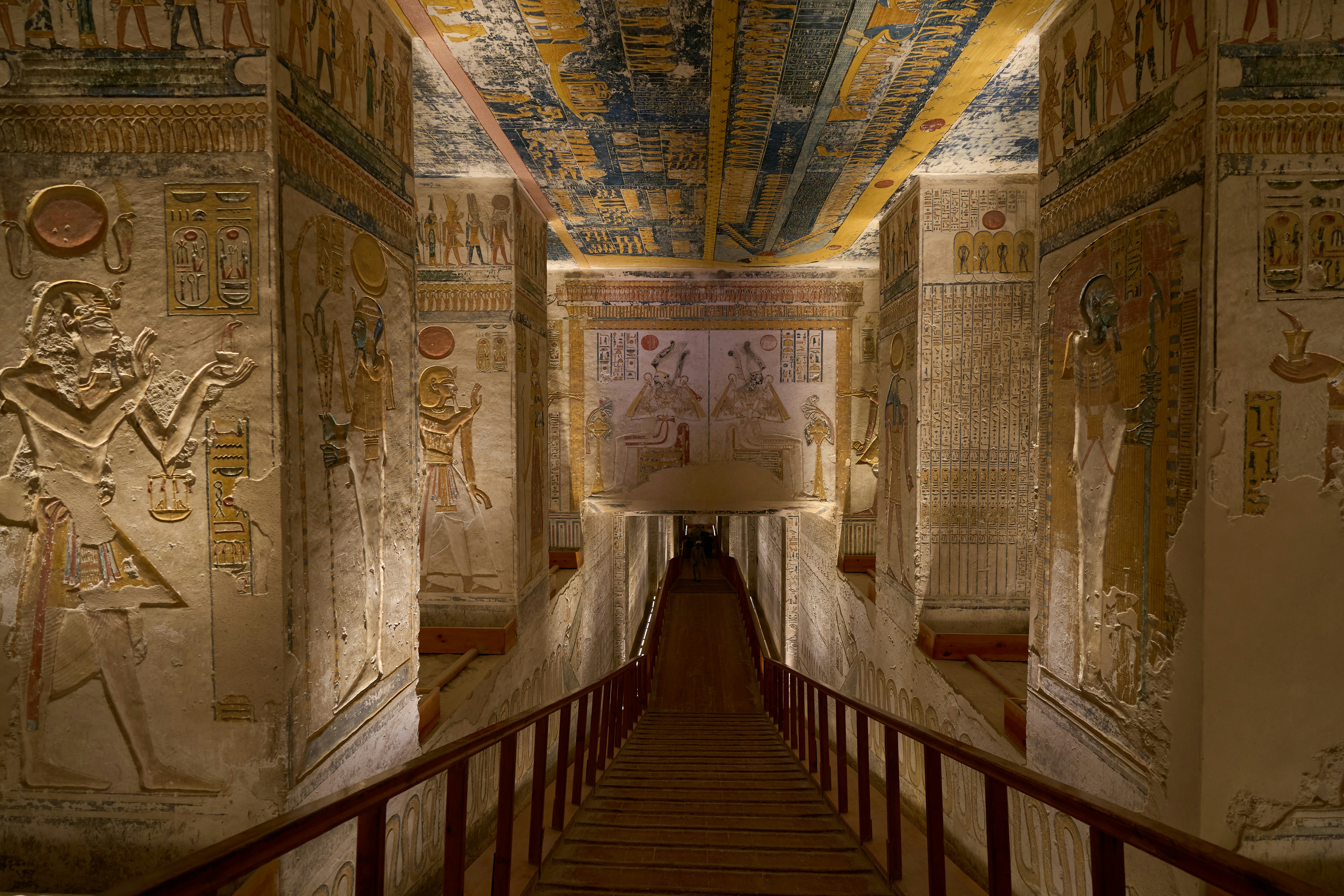
The second pylon leads into the heart of the temple: the hypostyle hall. This is where the architectural beauty of Philae truly shines. With its rows of massive columns, intricately carved and painted, it creates a breathtaking atmosphere. The columns are adorned with scenes of pharaohs smiting their enemies and making offerings to the gods, showcasing the dual nature of rulership—both military and divine. The play of light and shadow through the columns is particularly stunning, adding to the mystical ambiance.
The Sanctuary of Isis
At the very center of the complex is the naos, or sanctuary, dedicated to Isis herself. While the inner sanctum is largely empty today, you can still feel the profound sense of sacredness. This was the holiest part of the temple, where the cult statue of the goddess would have been kept. Imagining the rituals performed here, the hushed reverence of the priests, adds a layer of deep historical and religious understanding to your visit. It’s the spiritual core of the entire island.
The Kiosk of Trajan
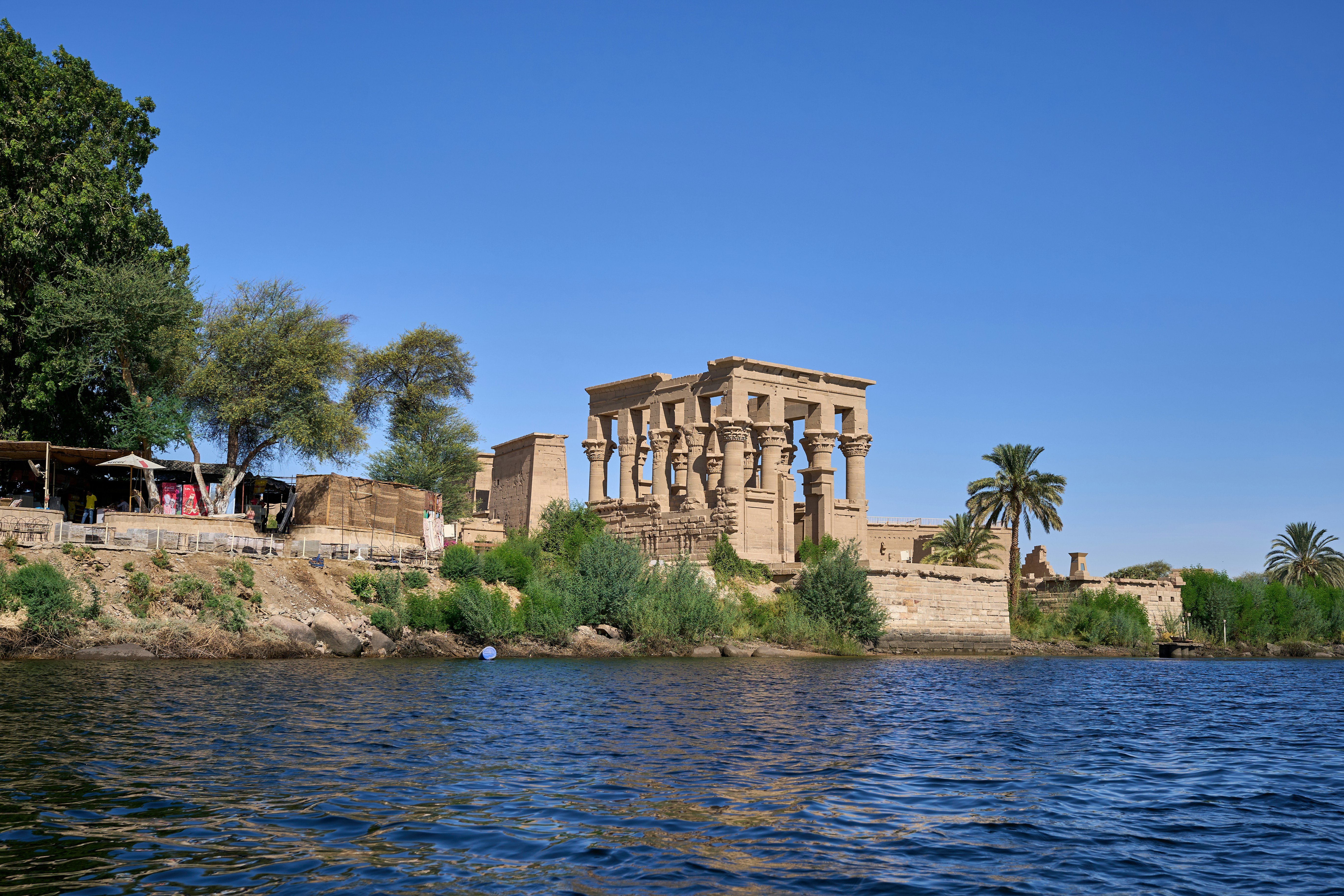
One of the most iconic structures at Philae is the Kiosk of Trajan. This unfinished colonnade stands majestically on the edge of the island, offering panoramic views of the Nile. Built by the Roman Emperor Hadrian, it’s a beautiful example of Roman architectural influence blending with Egyptian style. Its open design and prime location make it a perfect spot for photographs and quiet contemplation. The way it frames the river and the surrounding landscape is simply unforgettable.
The Temple of Hathor
Dedicated to Hathor, the goddess of love, music, and dance, this smaller temple is located to the east of the main Isis temple. It’s known for its beautifully preserved reliefs, particularly those depicting musical instruments and dancers. It offers a glimpse into the more joyous and celebratory aspects of ancient Egyptian worship. The quality of the carvings here is exceptional, showcasing the artistic skill of the period.
When I lead private Egypt tours to Philae, I make sure to point out these distinct features, weaving together the history, mythology, and architectural marvels. It’s about bringing the temple to life for my guests, transforming a visit into an immersive historical experience.
────────────────Philae Temple in Context: Greco-Roman Egypt and Beyond
Philae Temple is a powerful symbol of the Greco-Roman period in Egypt, a time when local traditions and foreign influences merged in fascinating ways. After Alexander the Great’s conquest in 332 BCE, Egypt was ruled by the Ptolemaic dynasty, of Greek Macedonian origin. While they adopted many Egyptian customs and religious practices, they also left their own architectural and cultural imprint.
The Ptolemaic rulers, and later the Roman emperors, saw themselves as successors to the pharaohs. They commissioned temples like Philae not just for religious devotion but also as a way to legitimize their rule in the eyes of the Egyptian populace. By participating in Egyptian religious festivals and building magnificent temples, they connected themselves to the ancient divine order. This is why you see Ptolemaic kings depicted in traditional pharaonic garb making offerings to Egyptian gods.
The temple’s location was also strategically significant. Situated in the southern part of Egypt, closer to Nubia, it served as a frontier temple and a center for trade. The island itself was considered a sacred place, even before the major construction began, adding to its mystical allure.
The eventual decline of paganism and the rise of Christianity in Egypt also played a role in Philae's story. While the temple was a center of ancient faith, early Christian communities also established themselves in the region. Some of the temple’s reliefs were even defaced, and churches were built within its precincts. This layering of religious history is visible in the structures themselves, offering a complex tapestry of Egypt's evolving spiritual landscape.
Understanding this historical layering is crucial for appreciating the full story of Philae. It’s not just a Pharaonic temple; it’s a testament to Egypt’s adaptability and the enduring power of its cultural heritage through successive empires. For travelers seeking in-depth Egypt history tours, this period is particularly captivating.
────────────────Planning Your Visit: Best Time to Go and How to Get There
When it comes to visiting Philae Temple, timing is everything. The weather in Aswan can be quite intense, so planning your trip strategically will make a huge difference.
Best Time to Visit
The ideal time to visit Aswan, including Philae Temple, is during the cooler months, from **October to March**. During this period, the temperatures are pleasant, typically ranging from the mid-20s to low 30s Celsius (70s to 80s Fahrenheit). This makes exploring the temple complex comfortable and enjoyable.
The summer months, from **April to September**, can be extremely hot, with temperatures often soaring above 40°C (104°F). If your travel dates fall during this time, I highly recommend visiting Philae very early in the morning, right when it opens, or later in the afternoon to avoid the peak heat. Staying hydrated is also absolutely crucial.
How to Get There
Philae Temple is located south of Aswan city, on Agilkia Island. The most common and enjoyable way to reach it is by taking a motorboat or a traditional felucca (sail boat) from a docking point near the High Dam or from a dedicated pier in Aswan city. The boat ride itself is a beautiful part of the experience, offering lovely views of the Nile.
For travelers on a private Egypt tour, this is usually arranged as part of the itinerary. Your driver will take you to the embarkation point, and a private boat will be waiting to take you directly to the temple island and back. This ensures a seamless and comfortable journey, avoiding any hassle with public transport or negotiating boat prices.
If you are coming from Cairo, Aswan is typically reached by an overnight sleeper train, a domestic flight, or a Nile cruise. Once in Aswan, arranging transport to Philae is straightforward, especially with a local tour operator like Bodda Tours who can handle all the logistics for you.
────────────────What to Wear and Expect
Visiting ancient sites in Egypt requires a bit of preparation, and Philae Temple is no exception. Dressing appropriately and knowing what to expect will enhance your experience.
What to Wear
Egyptian culture is relatively conservative, especially outside of major tourist resorts. For visiting temples like Philae, it’s best to dress respectfully.
- Cover your shoulders and knees. Lightweight, breathable fabrics are your best friend, especially in warmer months. Think cotton or linen.
- Comfortable walking shoes are essential. You’ll be doing a lot of walking on uneven surfaces.
- Sun protection is vital. A wide-brimmed hat, sunglasses, and sunscreen are non-negotiable.
- Modesty is key. Avoid overly revealing clothing. While Aswan is a bit more relaxed than Cairo, showing respect for local customs is always appreciated.
What to Expect
The visit to Philae usually involves a scenic boat ride to the island, followed by exploration of the temple complex. The site is well-maintained, and there are often local vendors selling souvenirs, but they are generally less pushy than in some other tourist areas.
- The boat ride: A beautiful introduction to the island setting.
- The temple itself: Allow at least 1.5 to 2 hours to explore the main temple of Isis, the Kiosk of Trajan, and the Temple of Hathor.
- Footwear: The ground can be uneven, so sturdy shoes are recommended.
- Heat: As mentioned, it can get very hot. Carry plenty of water and take breaks in shaded areas.
For those embarking on private Egypt tours with Bodda Tours, we ensure that your visit is as comfortable and informative as possible, with air-conditioned transport to the boat landing and a focus on timing your visit to avoid the harshest sun.
────────────────Is Philae Temple Worth Visiting?
Yes, absolutely! Philae Temple is not just worth visiting; it’s an essential part of understanding the beauty and history of Aswan and Egypt. Its unique island setting, the poignant story of its rescue, and the sheer architectural and artistic magnificence of the temple complex make it an unforgettable experience.
It offers a different perspective on ancient Egyptian religion and its endurance through the Greco-Roman period. The atmosphere is serene and profoundly spiritual, providing a contrast to the more bustling sites like Karnak or Luxor.
If you’re searching for special Egypt tours that offer a blend of history, beauty, and a touch of magic, Philae Temple should be at the forefront of your itinerary. It’s a place that truly captures the imagination and leaves a lasting impression.
────────────────Why Choose Bodda Tours for Your Philae Temple Experience?
When you decide to explore the wonders of Egypt, especially a gem like Philae Temple, choosing the right tour operator makes all the difference. I started Bodda Tours because I believe in showing people the real Egypt, the way a local friend would – with passion, care, and zero hassle.
- 100% Private Tours: Forget crowded buses and rigid schedules. With Bodda Tours, your experience is tailored just for you. We offer private air-conditioned vehicles, ensuring comfort and flexibility. No shared buses, no fixed itineraries unless you want them.
- Local Expertise: I’m Bodda, and I’m an Egyptian. My team and I know this country inside out. We’re not just guides; we're your local friends, ready to share insights and stories you won't find in guidebooks.
- Korean-Speaking Guides: For many of my guests, especially those from Korea, communication is key. We offer excellent Korean-speaking guides, so you can immerse yourself fully in the experience without any language barriers.
- No Scams, No Surprises: We pride ourselves on transparency. All our tours are verified, and we promise no hidden fees. What you agree on is what you get.
- No Tuktuk Fake Safaris: This is important, especially for places like Siwa Oasis. Some operators try to pass off unsafe or fake tuktuk safaris as genuine experiences. Bodda Tours uses only professional drivers and appropriate vehicles for safe and authentic desert adventures.
- Direct Service, No Markups: You book directly with us, the people who run the tours. This means no agent markups or commission fees. You get authentic service at a fair value.
- Customizable Itineraries: Whether you’re a photography enthusiast, a foodie, or just want to set your own pace, we can create a custom itinerary that fits your interests perfectly.
- Real Guest Experiences: We're happy to share recent guest reviews so you can see firsthand the quality of our tours and the satisfaction of our travelers.
- Support and Compensation: If anything unexpected happens, we’re there to support you. We stand by our service and are committed to making things right, even offering compensation if needed.
Choosing Bodda Tours means choosing a genuine, comfortable, and deeply enriching Egyptian adventure. We’re here to make sure your journey is as magical as the sites you’ll visit.
Ready to Explore Egypt's Wonders? Contact Bodda Tours Today
Whether you dream of Philae’s island beauty, the desert landscapes of Siwa Oasis, the rich history of Cairo, or the unique wonders of Fayoum Oasis, Bodda Tours is here to craft your unforgettable journey. We operate daily from 07:00 to 22:00 Cairo time, ready to answer your questions and start planning.
- WhatsApp: wa.me/201040541153
- KakaoTalk: open.kakao.com/o/smU92Hfi
- Email: info@boddatours.me
- Website: boddatours.me
Sources & References
- Egyptian Ministry of Tourism and Antiquities. (Official website information on Egyptian heritage sites).
- UNESCO World Heritage Centre. (Information on Philae Temple as part of the "Nubian Monuments from Abu Simbel to Philae" World Heritage Site).
- Wikipedia. (Detailed historical and architectural information on Philae Temple and Isis worship).
![[2026 Egypt Tours] Siwa Oasis Honest Review (Desert Safari & History)](https://boddatours.me/images/hq/siwa-salt-lake-hq.jpg)
![[2026 Egypt History Tours] Philae Temple Aswan: Where Isis Still Whispers on the Nile (Sacred Island Legends)](https://boddatours.me/images/hq/aswan-hq.jpg)