![[2026 Egypt Culture Guide] Siwa Oasis Magic: Salt Lakes and Shali Fortress in a Hidden Desert Kingdom](https://boddatours.me/images/hq/milky-way-hq.jpg)
Step into a Dream Older Than the Pyramids
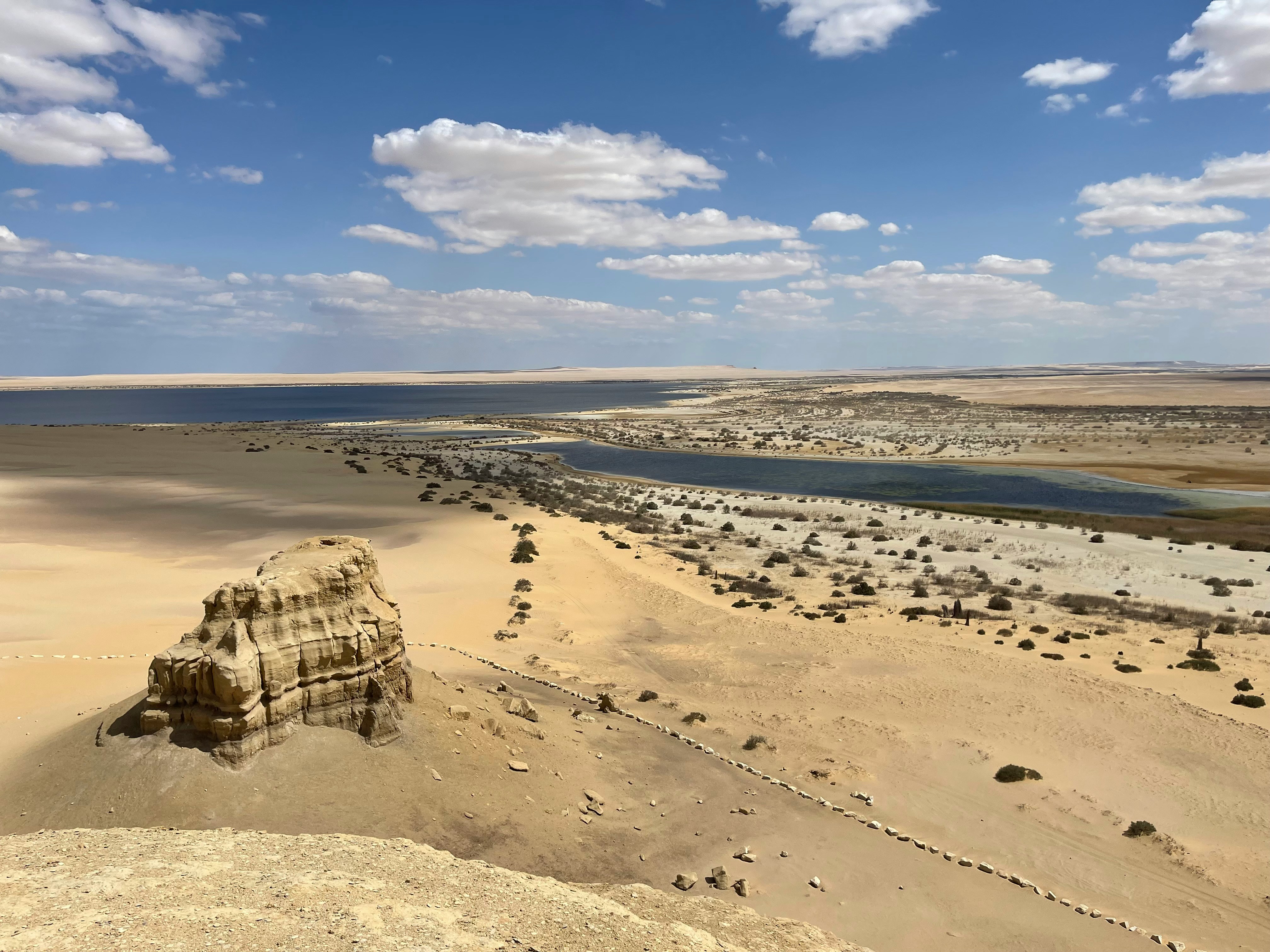
I still remember the first time I drove into Siwa. The road from Cairo is long—ten hours through the Western Desert’s golden dunes and limestone plateaus. When the car finally crested a ridge, the sight hit me like a punch to the chest. A sea of palm trees rose from the desert floor, their fronds rustling in the wind like a whisper from another world. And then—silver lakes shimmering in the morning light, their surfaces so still they looked like mirrors. This isn’t just a landscape. It’s a living memory of ancient gods, Roman emperors, and Berber tribes who’ve called this place home for thousands of years.
The locals say Siwa is where the earth breathes. The salt lakes, called Siwa Salt Lakes or Lake Siwa and Lake Zeitoun, were formed by ancient underground springs. The water is so saturated with minerals it feels silky against your skin. Some say it heals. Others say it just makes you feel weightless. I’ve seen travelers dip their hands in and come out with skin softer than a newborn’s. The most famous, Lake Siwa, turns a soft pink at sunrise because of the algae and high salt content. It’s not Instagram magic—it’s nature doing what it does best.
And then there’s Shali Fortress, the heart of Siwa. Built in the 13th century from salt-soaked kershef bricks (a mix of salt, clay, and sand), this citadel has been standing for 800 years. It’s not tall, but it feels ancient. Every stone has a story. Inside, the alleys twist like a labyrinth. You’ll pass houses with blue doors, women weaving baskets from palm fronds, and children playing soccer in the shade. At sunset, the fortress glows amber. That’s when you’ll understand why Alexander the Great chose Siwa to declare himself the son of Amun-Ra. He didn’t just visit a desert oasis. He walked into a legend.
────────────────Siwa Through the Sands of Time: From Amun’s Oracle to Berber Souls
Siwa isn’t just a pretty postcard. It’s one of the oldest continuously inhabited places on Earth. The Siwans—the Berber people who live here—have been here since before the Pharaohs. Their language, Siwi, is a branch of the Berber languages, unrelated to Arabic or Coptic. They have their own customs, their own clothes, their own way of welcoming strangers. When you visit, you’re not just a tourist. You’re a guest in a culture that has survived invasions, droughts, and the slow march of time.
The Siwans have always been traders. They sold dates, olive oil, and salt across the Sahara. They built caravanserais to shelter travelers. They believed in spirits, in saints, in the healing power of the land. And they worshipped at the Temple of Amun, where Alexander the Great came in 331 BCE to be declared the son of Zeus-Ammon. The Greeks called it the Oracle of Amun. The Siwans call it Amun Temple or Temple of the Oracle. Today, you can still walk through its crumbling columns and feel the weight of history. The stones are warm under your fingertips. The wind carries the scent of thyme and wild mint. And if you close your eyes, you can almost hear the priests chanting in the ancient tongue.
The Romans came next. They built Cleopatra’s Spring, a freshwater pool surrounded by palm trees, said to be where Cleopatra bathed during her visit. The water is cool and clear. Locals still use it for ritual bathing. It’s not a grand monument like Karnak or Luxor, but it’s intimate. It’s personal. It’s where a queen once stood, barefoot in the sand, washing away the dust of empire.
Then came the Ottomans, the Mamelukes, the British. Each left a mark. The Siwans absorbed them all. You can see it in the architecture—Ottoman arches next to Berber domes. In the food—date syrup drizzled on bread, fresh camel milk, wild herbs from the dunes. In the music—the haunting melodies of the Siwan lyre, a stringed instrument played at weddings and festivals. When you visit Siwa, you’re not just seeing a relic. You’re walking through a living civilization.
────────────────What to Expect When You Walk into Siwa: Salt, Silence, and Stars
I’ve taken so many travelers to Siwa. Some expect a quick photo stop. Others come looking for adventure. But no one leaves unchanged. Here’s what you’ll actually feel when you arrive:
Salt Lakes That Glow at Sunrise
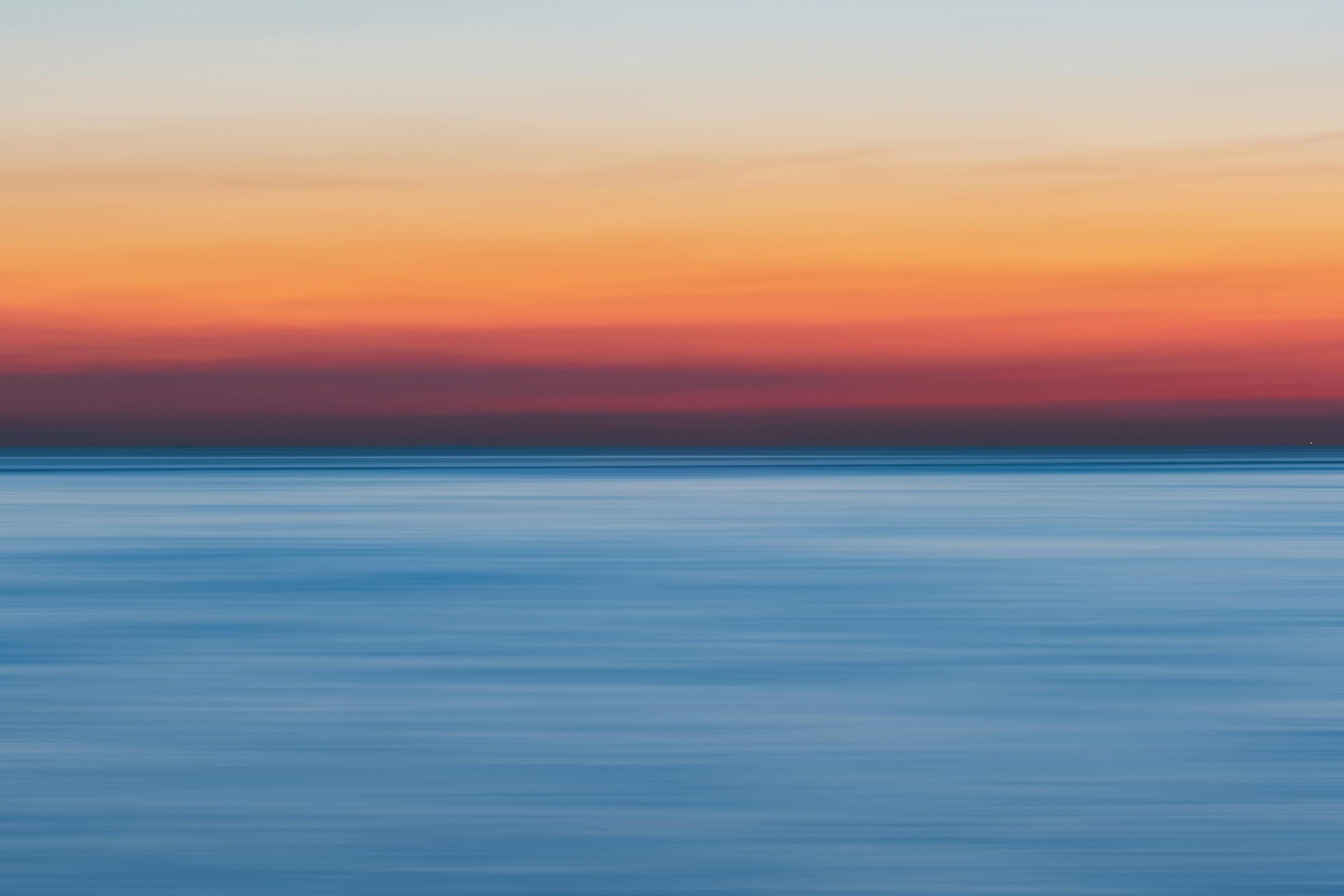
The first thing you’ll notice is the smell—sulfur and salt and something sweet, like jasmine. Then you’ll see the lakes. Lake Siwa and Lake Zeitoun are shallow, brackish pools that reflect the sky like a mirror. The water is so dense you can float effortlessly. Locals say it’s because the salt is so pure it lifts you up. I’ve seen a 70-year-old man float on his back like a child in a swimming pool. The water is warm, almost oily. When the sun rises, it turns the water a soft pink. It’s not a filter. It’s real. It’s Siwa.
You can walk into the lakes barefoot. The salt crusts your skin. It’s gentle on your feet—no sharp rocks, no hot sand. Afterward, you’ll rinse off in a freshwater pool. The contrast is incredible. One minute you’re floating in a mineral bath. The next, you’re standing under a palm tree, drinking sweet mint tea. That’s Siwa magic.
The Whisper of Shali Fortress
Shali isn’t just a ruin. It’s a maze of narrow alleys, crumbling walls, and hidden courtyards. The fortress was built from kershef bricks—salt, sand, and clay. Over centuries, the salt has leached out, making the walls soft and crumbly. Some parts look like they could collapse tomorrow. But they’ve stood for 800 years. Walk up the main staircase to the top. From there, you can see the entire oasis—palm groves stretching to the horizon, the salt lakes shimmering in the distance, the dunes rolling like waves. It’s quiet up there. The kind of quiet that makes you forget the world outside.
Inside the fortress, you’ll find houses still lived in. Women sit in doorways weaving baskets. Children chase each other through the alleys. Men repair fishing nets. It’s not a museum. It’s a living neighborhood. When you visit, you’re not just looking at history. You’re stepping into a story that’s still being written.
Stargazing Under a Sky That’s Out of This World
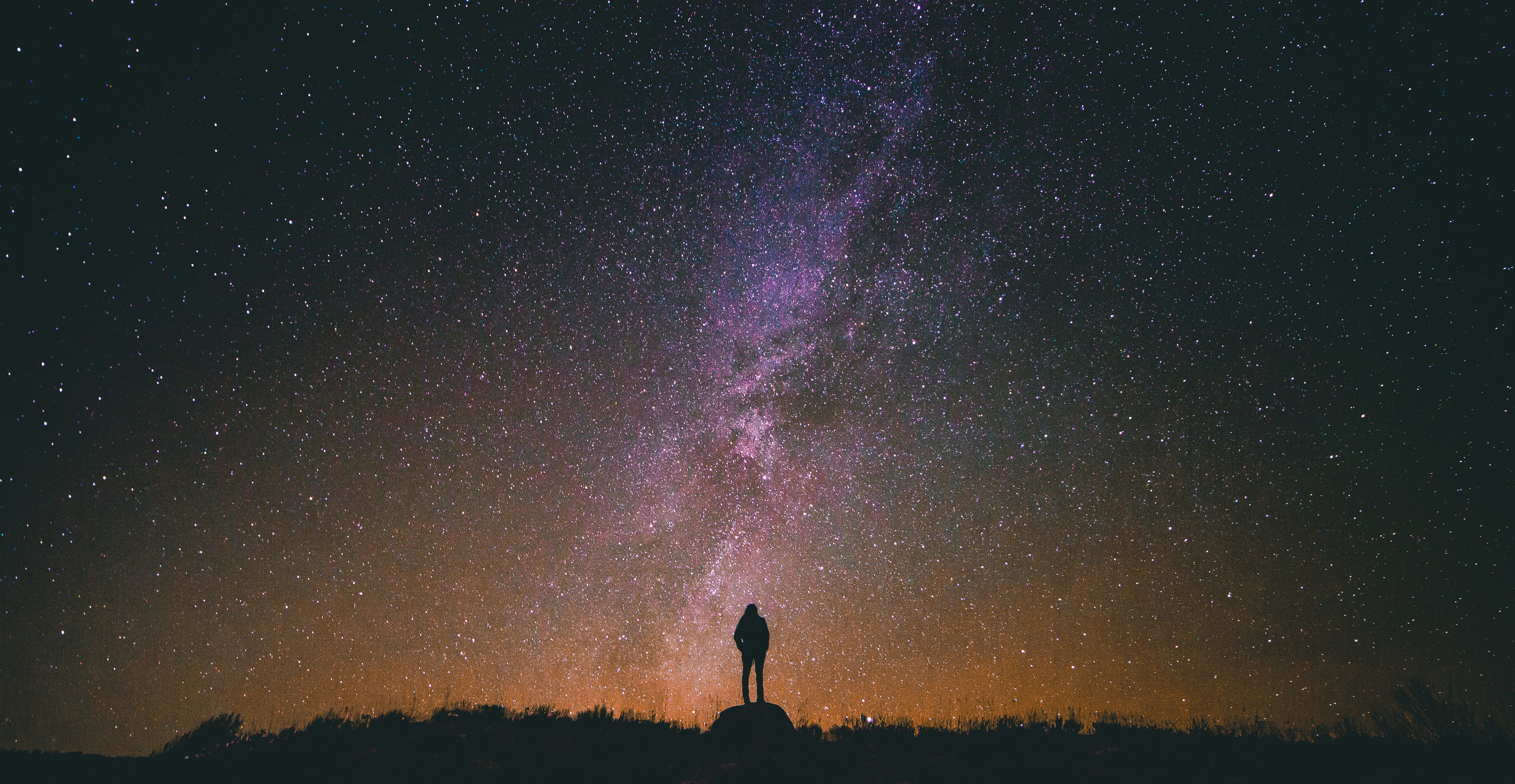
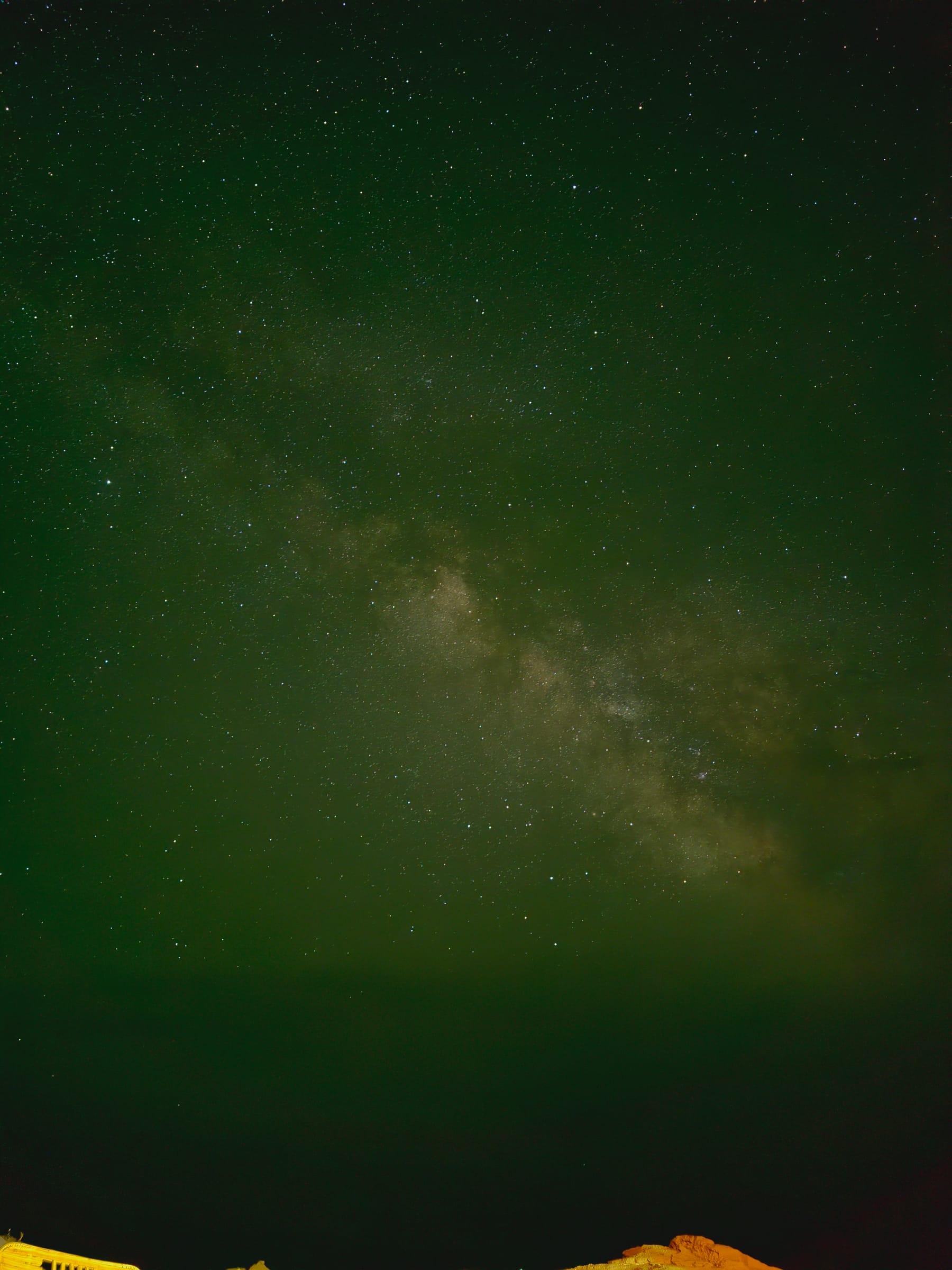
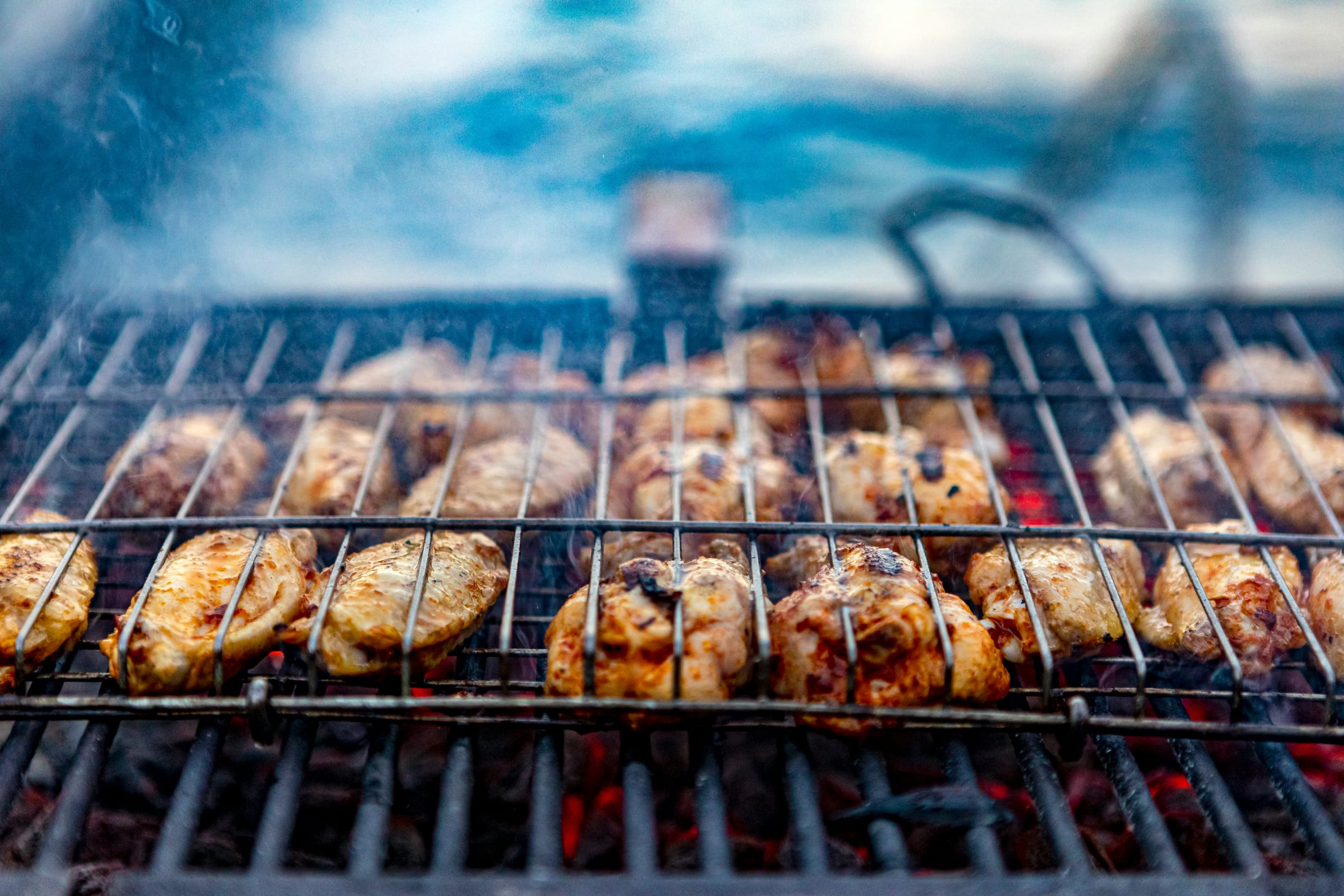
Siwa is one of the darkest places in Egypt. Far from city lights, far from pollution. On a clear night, the Milky Way looks like a river of light pouring across the sky. I’ve taken travelers to a Bedouin camp in the dunes, laid out blankets, and watched shooting stars streak across the heavens. The Bedouins tell stories about the stars—how the Pleiades are seven sisters, how Orion is a hunter. They use the stars to navigate the desert. When you lie back and look up, you’ll understand why ancient civilizations worshipped the sky. This isn’t just stargazing. It’s a spiritual experience.
Some travelers choose to sleep in a Bedouin camp. You’ll wake up to the smell of fresh bread baking in a clay oven. You’ll drink camel milk mixed with honey. You’ll hear the call to prayer echoing across the dunes. It’s not roughing it. It’s reconnecting with something real.
The Taste of Siwa: Dates, Honey, and Wild Herbs
The food in Siwa is simple but unforgettable. Start with Siwan bread—a round, flat loaf baked in a clay oven. Break it open and spread it with fresh butter and date syrup. It’s sweet, salty, and rich all at once. Then try asida, a porridge made from wheat and meat, traditionally eaten at celebrations. It’s hearty, warming, and deeply satisfying.
Don’t miss the Siwan honey. The bees here gather nectar from wild thyme and jasmine. The honey is dark, almost black, with a strong herbal flavor. Locals drizzle it over bread or mix it with yogurt. It’s not the honey you buy in a supermarket. It’s wild, raw, alive.
And then there’s the tea. Siwan mint tea is served in small glasses, sweet and strong. It’s the drink of hospitality. When a Siwan offers you tea, they’re not just serving a beverage. They’re welcoming you into their home.
────────────────Is It Worth Visiting Siwa? Only If You Want to Feel Alive
Siwa isn’t for everyone. If you’re looking for the pyramids, the temples of Luxor, or the crowds of Khan el-Khalili, this isn’t your place. Siwa is for the traveler who wants to feel something real. Who wants to walk through salt lakes that glow pink at sunrise. Who wants to stand in a 13th-century fortress and imagine Alexander the Great kneeling before an oracle. Who wants to sleep under a sky so full of stars it makes you cry.
Is it worth it? Absolutely. But only if you’re ready to slow down. To breathe. To let the desert work its magic on you.
────────────────How to Get to Siwa from Cairo (Without the Tourist Trail Hassle)
I’ve driven this route dozens of times. The road from Cairo to Siwa is long—about 10 hours through the Western Desert. But it’s not just a drive. It’s an adventure. You’ll pass through Bahariya Oasis, where the dunes are red and the hot springs are warm. You’ll stop at Farafra Oasis, a white desert of chalky limestone sculptures. You’ll see the Crystal Mountain, where the rocks sparkle in the sunlight. It’s not a highway. It’s a journey.
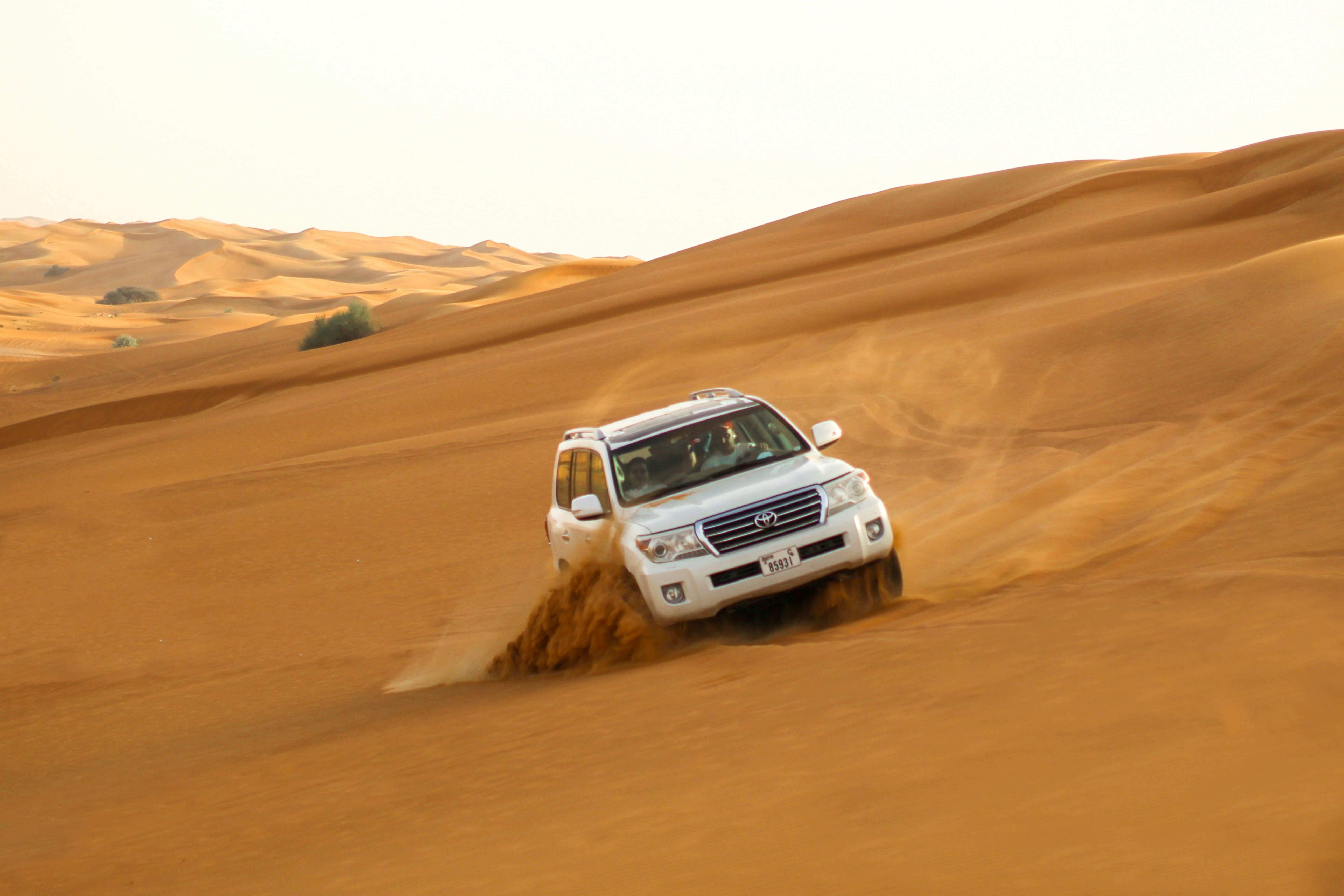
I always recommend a private tour. Why? Because you control the pace. You stop when you want. You linger when you’re moved. You skip the tourist traps and go where the soul of Siwa lives. Bodda Tours offers a 2-day / 3-day Siwa Oasis private tour from Cairo. We drive in a comfortable 4x4 jeep with an A/C, door-to-door service, and a local guide who knows every hidden corner. No shared buses. No crowded seats. No rushed itineraries. Just you, the desert, and the magic of Siwa.
Some travelers fly from Cairo to Marsa Matruh and drive the rest of the way. It saves time, but you miss the journey. The desert has its own rhythm. You need to feel it.
────────────────Best Time to Visit Siwa: When the Desert Comes Alive
The ideal time to visit Siwa is between October and April. The weather is mild—daytime temperatures around 20-25°C (68-77°F), nights cool enough to sleep under the stars. The salt lakes are at their most vibrant in the early morning. The fortress is pleasant to explore without the heat beating down on you. And the Bedouin camps are cozy at night.
If you visit in summer (May-September), it’s hot. Really hot. Temperatures can reach 40°C (104°F). The salt lakes dry up. The palm groves wilt. Even the locals stay indoors during the day. It’s not impossible to visit, but it’s not ideal. If you do go, plan for early mornings and late evenings. And drink a lot of water.
The best time for stargazing is during the new moon. The sky is darkest, and the stars are at their brightest. I’ve seen travelers lie back and weep at the sight of the Milky Way stretching from horizon to horizon. It’s humbling. It’s awe-inspiring. It’s something you’ll remember for the rest of your life.
────────────────What to Wear in Siwa: Respect the Culture, Embrace the Comfort
Siwa is a conservative community. While tourists aren’t expected to dress like locals, it’s respectful to cover your shoulders and knees. Women should bring a scarf for the salt lakes and the fortress. Men should avoid shorts in the village. Light, breathable clothing is best—linen shirts, loose pants, sandals. The desert sun is strong, even in winter. A wide-brimmed hat and sunglasses are essential.
If you’re visiting a Bedouin camp, pack a light jacket for the night. The desert gets cold once the sun sets. And bring a swimsuit for the salt lakes. You’ll want to feel the water on your skin.
Footwear is important too. The ground around the salt lakes is soft and muddy. Sandals with good grip are best. Avoid flip-flops—they’ll get stuck in the salt crust.
────────────────Nearby Gems You Can Pair with Your Siwa Adventure
Siwa isn’t an island. It’s part of a larger tapestry of desert wonders. If you have extra time, here are a few places you can visit on the way to or from Siwa:
Bahariya Oasis: Red Dunes and Hot Springs
Bahariya Oasis is about halfway between Cairo and Siwa. It’s famous for its Black Desert, a surreal landscape of dark volcanic rocks. You can hike the dunes or soak in the Bawiti hot springs, where the water is naturally warm and rich in minerals. The oasis is also known for its dates and olive oil. Stop at a local farm and taste the fresh produce. It’s a perfect halfway point for your Siwa adventure.
Farafra Oasis: The White Desert’s Sculpted Silence
Farafra Oasis is one of the most surreal places on Earth. The White Desert is a landscape of chalky limestone sculptures, shaped by wind and time. Some look like mushrooms. Others like castles. Others like sleeping giants. You can camp here, wake up to a sunrise that turns the rocks golden, and feel like you’ve stepped onto another planet. It’s not as developed as Siwa, but it’s raw and real. If you love the desert, you’ll love Farafra.
Cairo: The Gateway to the Pyramids and Beyond
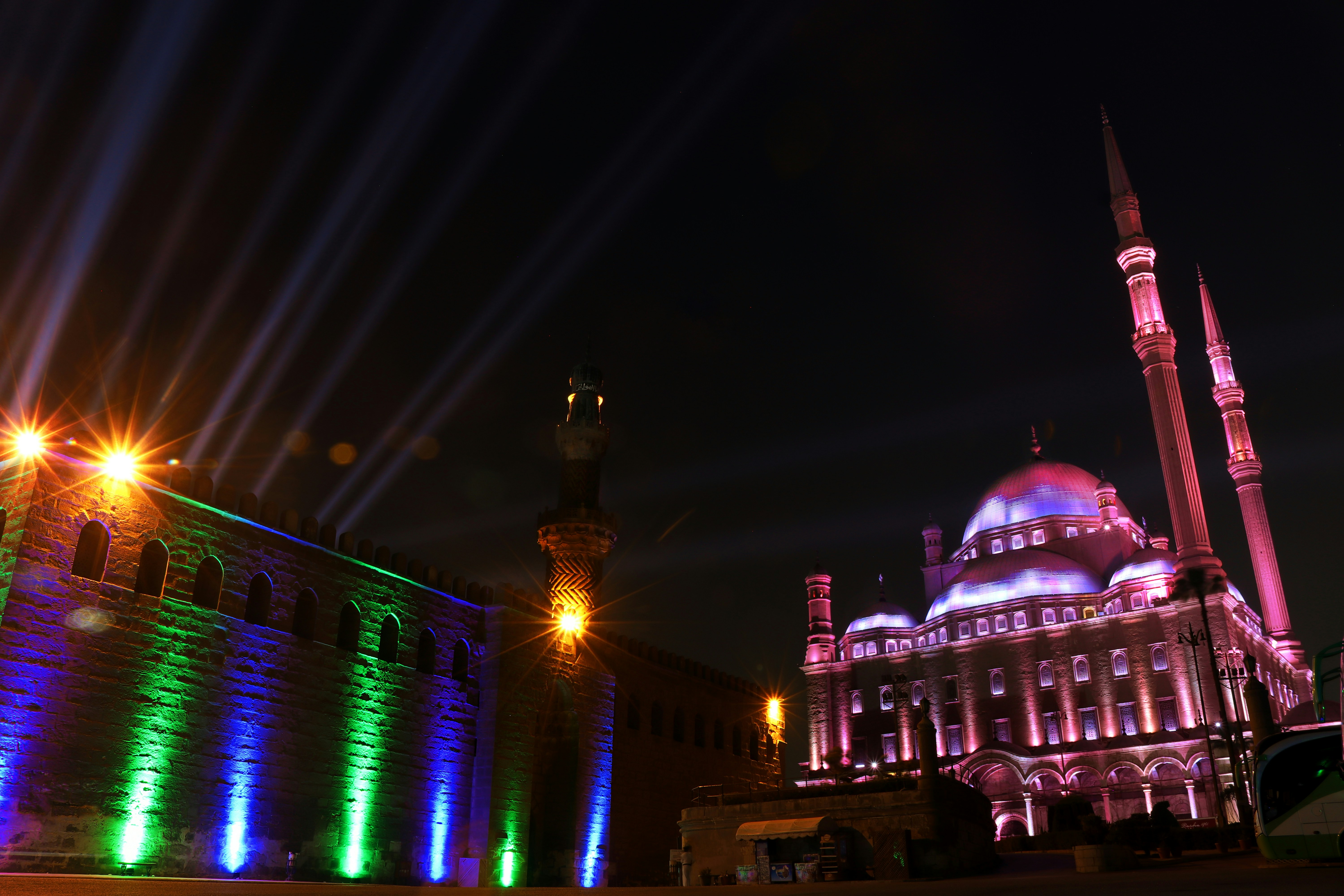
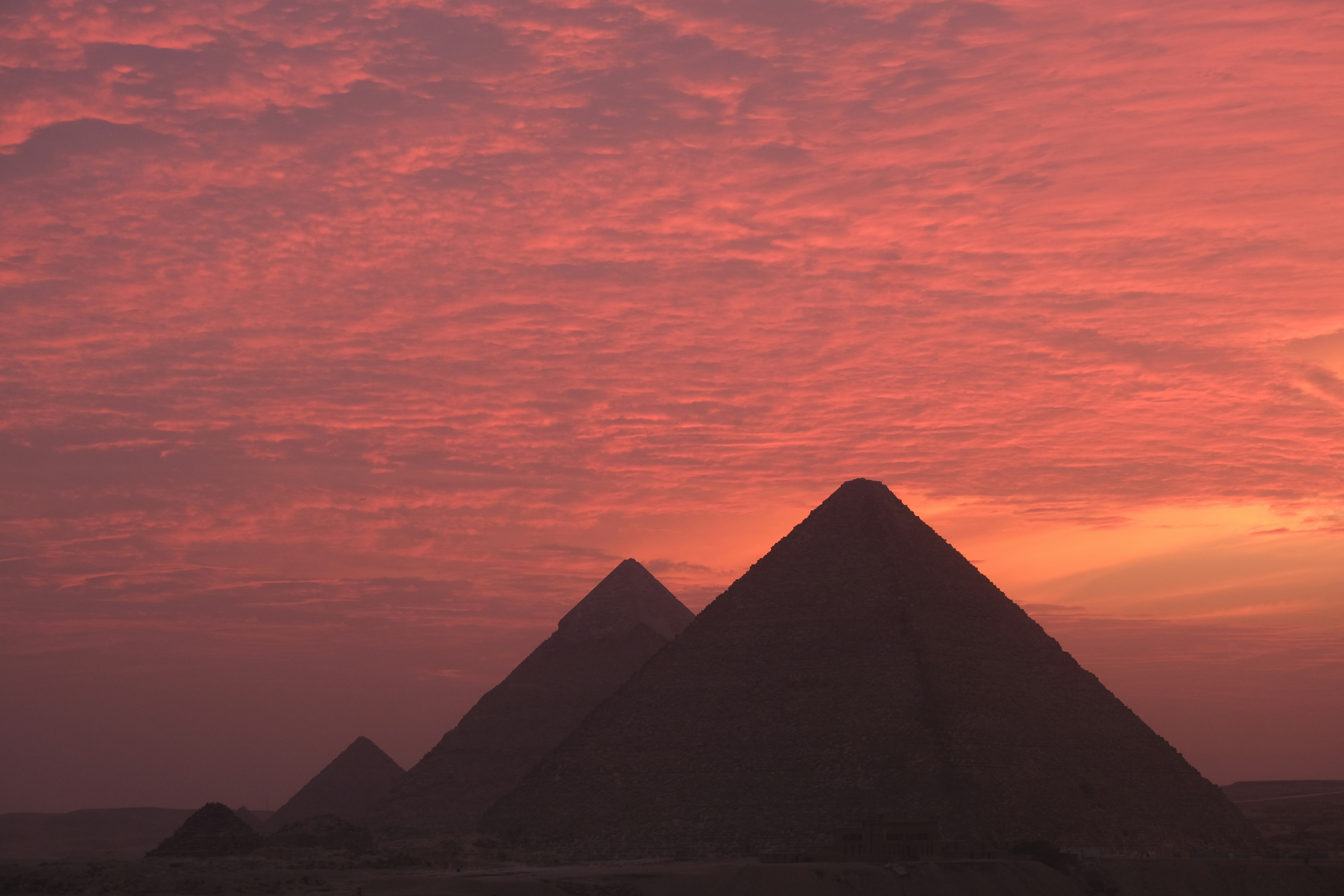
If you’re flying into Cairo, take a day or two to explore the city. Visit the Pyramids of Giza and the Sphinx. Wander the alleys of Islamic Cairo, where minarets rise like fingers pointing to the sky. Get lost in the spice-scented alleys of Khan el-Khalili. Eat koshari at a street cart. Drink mint tea in a traditional café. Cairo is a city of contrasts—ancient and modern, chaotic and serene. It’s the perfect prelude to a journey into the desert.
Bodda Tours offers private Cairo & Giza tours that take you beyond the crowds. We skip the tourist traps and go where the locals go. From the Pyramids at sunrise to the Cave Church in Mokattam, we show you Cairo’s hidden soul.
────────────────Why Choose Bodda Tours for Your Siwa Adventure
I’ve seen too many travelers come to Siwa with a tour booked through a middleman. They arrive in a shared minibus, rushed from site to site, herded like cattle. They don’t get to feel the magic. They don’t get to connect with the place or the people. That’s not how I run Bodda Tours.
Here’s why travelers choose us:
- 100% private, no shared buses. Your vehicle, your driver, your guide. No strangers. No cramped seats. No rushing.
- Korean-speaking local guides. Clear communication. No language anxiety. No misunderstandings. Just smooth, effortless travel.
- Door-to-door service. We pick you up at your hotel in Cairo and drop you off at your next destination. No hassle. No stress.
- Verified, transparent tours. No scams. No hidden fees. No commission markups. What you see is what you pay.
- Real 4x4 jeeps, not fake tuktuk safaris. In Siwa, some operators sell "tuktuk safaris" that are a total scam—no proper vehicles, no trained drivers, no safety. We use real 4x4 jeeps with professional drivers who know the desert like the back of their hands.
- Custom itineraries. Want extra time at the salt lakes? More stories about Alexander the Great? A Bedouin camp under the stars? We build your trip around you. Not the other way around.
- Direct booking, direct service. I run Bodda Tours myself. You’re not booking through a reseller or an agent. You’re booking directly with a local who loves Siwa as much as you do.
- Fast, human response. WhatsApp messages answered in under 10 minutes. Real people, not chatbots. Real humans who care about your trip.
- Compensation guarantee. If something goes wrong, we make it right. If we’re late, we compensate. If you’re unhappy, we refund. We stand by our service.
I’ve taken Korean travelers to Siwa who couldn’t speak a word of Arabic or English. They left feeling like they’d made lifelong friends. I’ve taken solo travelers who wanted to feel safe and connected. They left with stories they’ll tell for decades. I’ve taken families with children who wanted an adventure without the hassle. They left with memories they’ll never forget.
Siwa isn’t just a tour. It’s an experience. And we make sure it’s the best one you’ll ever have.
────────────────Ready to Explore Siwa with a Local Who Knows It Best?
If you’re ready to step into a world where salt lakes glow at sunrise, where 13th-century fortresses whisper ancient secrets, and where the desert sky makes you feel small in the best way possible, then let’s talk. I’ve been taking travelers to Siwa for years. I know every hidden corner, every local story, every moment that will take your breath away.
Whether you want a 2-day escape from Cairo or a 3-day deep dive into the desert’s soul, we can make it happen. No crowds. No hassle. Just Siwa, the way it was meant to be experienced.
Contact Bodda Tours today to plan your trip
- WhatsApp: wa.me/201040541153
- KakaoTalk: open.kakao.com/o/smU92Hfi
- Email: info@boddatours.me
- Website: boddatours.me
I can’t wait to show you Siwa.
— Bodda
────────────────Sources & References
- UNESCO World Heritage Centre: Siwa Oasis
- Wikipedia: Siwa Oasis
- Egypt Ministry of Tourism: Siwa Oasis
- Personal interviews with Siwan elders and Bedouin guides (2023-2026)
- Local historical texts on the Temple of Amun and Shali Fortress
![[2026 Egypt Tours] Siwa Oasis Honest Review (Desert Safari & History)](https://boddatours.me/images/hq/siwa-salt-lake-hq.jpg)