![[2026 Egypt Tours] Valley of the Kings (Luxor's Royal Necropolis Deep Dive)](https://boddatours.me/images/hq/luxor-hq.jpg)
Valley of the Kings: Where Eternity Was Carved
Imagine standing at the entrance of a tomb, the air still and cool, carrying whispers of millennia. It’s not just a hole in the rock; it’s a portal to a time when gods walked among men, and kings prepared for an afterlife that was as real to them as our daily commute is to us. That's the feeling I get every single time I visit the Valley of the Kings here in Luxor. It never gets old.
You’ve probably seen pictures, right? Hieroglyphs, sarcophagi, that famous golden mask. But seeing it in person? It’s a whole different story. It’s about the sheer audacity of these ancient Egyptians, their profound belief in immortality, and their incredible artistic and engineering genius. And as your local friend who knows this land inside and out, I want to share that wonder with you, making sure you feel safe, excited, and completely immersed.
A Royal Resting Place: The Valley of the Kings' Profound History
The Valley of the Kings, or Wadi el-Muluk in Arabic, is more than just a collection of tombs. For nearly 500 years, from the 16th to the 11th century BC, it was the primary burial ground for the pharaohs of the New Kingdom (Dynasties XVIII, XIX, and XX). Think of rulers like Hatshepsut, Thutmose III, Akhenaten, Tutankhamun, Seti I, and Ramesses the Great. Their final resting places, meticulously carved into the desert cliffs, were designed not just to house their mummified bodies but to ensure their safe passage and eternal reign in the afterlife.
The choice of this remote, arid valley west of the Nile opposite modern Luxor (ancient Thebes) was strategic. It was seen as a sacred place, possibly linked to the western horizon where the sun god Ra set each evening, symbolizing death and rebirth. The surrounding peaks, particularly the pyramid-shaped mountain known as 'Al-Qurn' (The Peak), may have also held symbolic significance. The tombs themselves are architectural marvels, descending deep into the bedrock, adorned with vibrant paintings and hieroglyphs that tell tales of the pharaohs' lives, their achievements, and the complex religious rituals designed to guide them through the underworld.
The sheer scale of the undertaking is mind-boggling. Imagine thousands of workers, artists, and scribes toiling for years, even decades, to create these elaborate underground palaces. Their goal was to protect the pharaoh’s mummy and the treasures intended for his afterlife from tomb robbers. Sadly, despite their best efforts, most of the tombs were plundered in antiquity. Yet, the surviving decorations and the few intact discoveries, most famously Tutankhamun’s tomb, offer an unparalleled glimpse into the wealth, power, and spiritual beliefs of ancient Egypt.
──────────────────────────The Thrill of Discovery: Belzoni, Carter, and the Quest for Lost Treasures
For centuries, the Valley of the Kings remained a site of fascination and speculation. While locals knew of its existence, its true potential was only realized by Western explorers and archaeologists in the 18th and 19th centuries. Figures like Giovanni Battista Belzoni, an Italian strongman and explorer, played a crucial role in bringing these ancient wonders to the attention of the world. Belzoni, who arrived in Egypt in 1815, was a larger-than-life character who, with incredible physical strength and determination, managed to clear entrances and explore several tombs, including that of Seti I (KV17), which was the longest and deepest discovered at the time.
Belzoni’s accounts, though sometimes embellished, were filled with a sense of awe and wonder, describing the magnificent paintings and the sheer scale of the underground chambers. He was among the first to systematically document and remove artifacts, sending them back to Europe. His work, while driven by a spirit of discovery and sometimes by commercial interests, ignited a global passion for Egyptology.
Later, Howard Carter’s meticulous and painstaking search, funded by Lord Carnarvon, led to the most sensational discovery in modern archaeology: the nearly intact tomb of Tutankhamun (KV62) in 1922. The world was captivated by the treasures found within – the golden sarcophagus, the funerary mask, chariots, furniture, and countless other artifacts. This discovery was a game-changer, proving that even in a seemingly well-explored area, incredible secrets could still be hidden. Carter’s methodical approach and his respect for the site set a new standard for archaeological practice.
These early explorers, often working in challenging conditions and facing skepticism, were driven by a profound curiosity about Egypt's past. Their efforts, though controversial by today's standards, laid the groundwork for our modern understanding of ancient Egyptian civilization. Visiting the Valley of the Kings today, you walk in the footsteps of these pioneers, feeling the same thrill of discovery that must have gripped them.
──────────────────────────Exploring the Valley of the Kings Today: What to Expect on Your Private Tour
When you visit the Valley of the Kings with Bodda Tours, it's not just about ticking off a list. It's about experiencing the magic, understanding the history, and creating memories that last a lifetime. I always advise my guests to prepare for an adventure that engages all their senses.
The first thing you’ll notice is the stark beauty of the desert landscape. The heat can be intense, especially in summer, so wearing light, breathable clothing, a hat, and sunglasses is essential. Comfortable walking shoes are a must, as you'll be walking on uneven terrain and climbing steps inside the tombs.
Your private Egypt tour with Bodda means you’ll have a dedicated, air-conditioned vehicle to get you there comfortably, avoiding the hassle of public transport. We can arrange for a Korean-speaking local guide, which I highly recommend. Having someone who can explain the intricate details of the hieroglyphs, the stories of the pharaohs, and the cultural context in your own language makes a world of difference. It's like having a friend who speaks fluent Egyptian history!
Upon arrival, you’ll receive a ticket that typically grants you access to three tombs. The selection of open tombs changes periodically due to conservation efforts, but some of the most frequently accessible and impressive include:
- KV17 (Tomb of Seti I): If open, this is a must-see. It's one of the longest and deepest tombs, featuring stunning, well-preserved decorations.
- KV11 (Tomb of Ramesses III): Known for its detailed depictions of daily life, music, and dance, offering a vivid picture of New Kingdom Egypt.
- KV6 (Tomb of Ramesses IX): Features beautifully painted astronomical scenes and detailed hieroglyphs.
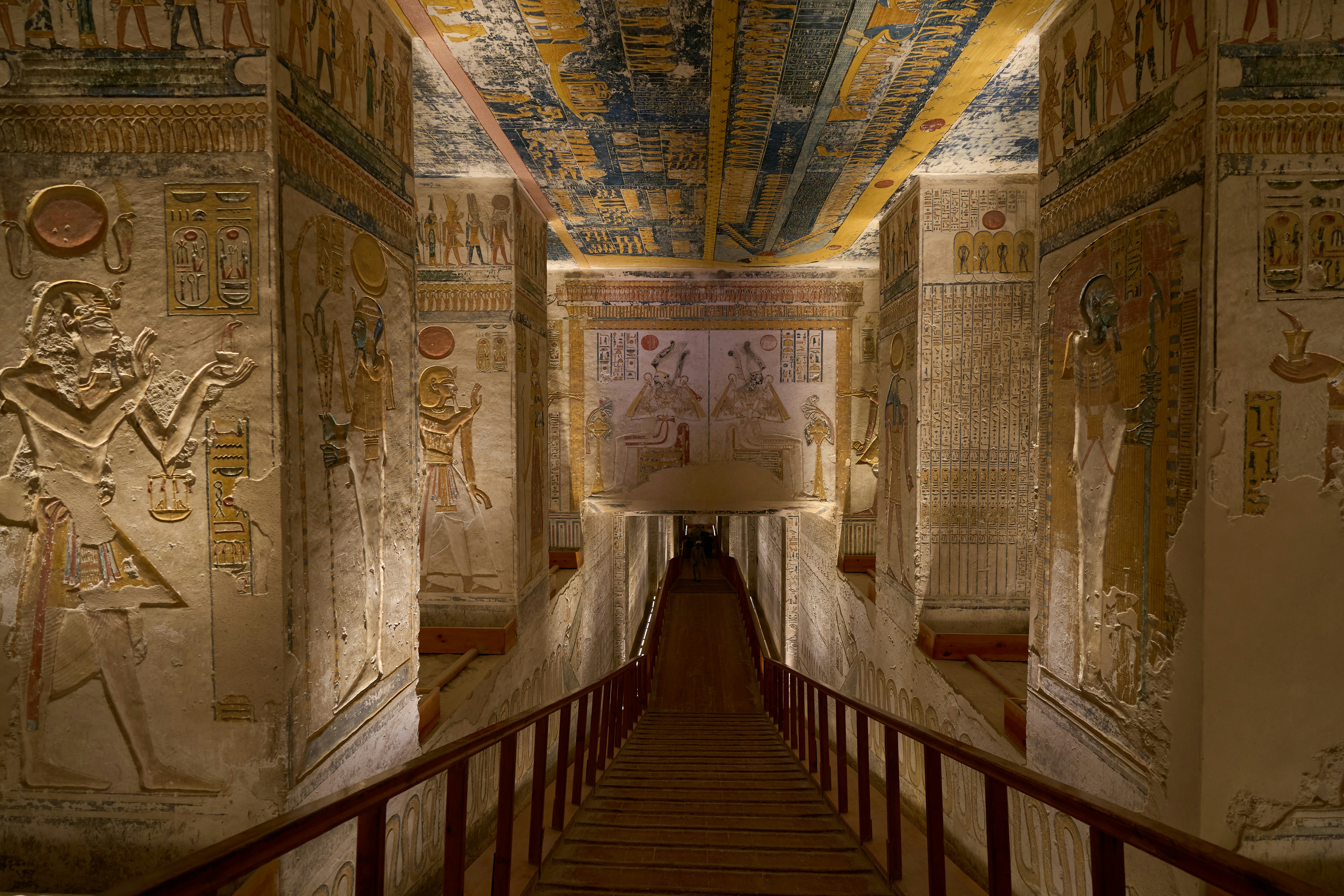
- KV9 (Tomb of Ramesses V & VI): Remarkable for its celestial decorations on the ceiling, depicting the sun’s journey through the underworld.
Some tombs, like KV62 (Tutankhamun's tomb) and KV8 (Tomb of Merneptah), require a separate, additional ticket. I can help you decide which ones are most worth your time and budget based on your interests. Tutankhamun’s tomb, while small, is famous for its historical significance and the relatively intact burial chamber.
Inside the tombs, you'll be awestruck by the vivid colors, painted thousands of years ago. The hieroglyphs tell complex stories from the Book of the Dead, spells and prayers intended to guide the deceased pharaoh safely through the trials of the afterlife and ensure their rebirth. You’ll see depictions of gods like Osiris, Anubis, and Ra, as well as the pharaoh interacting with them. The artistry is incredible – the precision, the detail, the vibrant hues that have survived for millennia.
──────────────────────────Preserving Eternity: Conservation and the Future of the Valley
The Valley of the Kings faces a constant battle against time and the elements. The thousands of visitors each year, along with natural humidity and temperature fluctuations, can take a toll on the delicate paintings and inscriptions. This is why you'll see sections of tombs sometimes closed for restoration. The Egyptian Ministry of Tourism and Antiquities, in collaboration with international archaeological missions, works tirelessly to preserve this irreplaceable heritage.
When you visit, you’ll notice that photography inside the tombs is usually restricted to protect the ancient artwork. It's important to respect these rules. The goal is to ensure that future generations can experience the same wonder that we do today. It's a privilege to be able to walk among these ancient wonders, and part of that privilege is respecting the efforts made to keep them safe.
The ongoing archaeological work in the Valley continues to reveal new insights. While the major tombs are well-known, there's always a chance of new discoveries or a deeper understanding of previously explored sites. This constant evolution is part of what makes Egypt such a dynamic destination for history enthusiasts.
──────────────────────────Beyond the Tombs: Nearby Wonders with Bodda Tours
Your visit to the West Bank of Luxor doesn't have to end with the Valley of the Kings. As your local guide, I can show you so much more that complements this incredible experience and is part of our curated Luxor tours and multi-city Egypt packages. These are places that tell different but equally fascinating stories of ancient Egypt.
Just a short distance away lies the **Valley of the Queens**. While less famous than its male counterpart, it’s the final resting place for many royal wives and children of the pharaohs. The most stunning tomb here is that of Queen Nefertari, the beloved wife of Ramesses II. Her tomb (QV66) is renowned for its exceptionally beautiful and well-preserved paintings, often considered among the finest in Egypt. It requires a separate ticket but is absolutely breathtaking if you have the time and interest.
We also visit the **Mortuary Temple of Hatshepsut** at Deir el-Bahari. This architectural masterpiece, built into the cliffs, is a testament to the power and ambition of Egypt's most famous female pharaoh. Its unique design and imposing presence are truly awe-inspiring.
And of course, no trip to Luxor's West Bank is complete without seeing the colossal **Colossi of Memnon**. These two massive stone statues of Pharaoh Amenhotep III once guarded his mortuary temple, which has long since been destroyed. Standing before them, you get a sense of the monumental scale of ancient Egyptian construction.
For those interested in the lives of the ordinary people who built these incredible monuments, a visit to **Deir el-Medina** is fascinating. This ancient village was home to the artisans and craftsmen who worked on the royal tombs. Their own tombs, located nearby, are smaller but offer intimate glimpses into their lives, beliefs, and artistic skills.
These sites, combined with the Valley of the Kings, create a comprehensive picture of life, death, and belief in ancient Egypt. Bodda Tours specializes in crafting these immersive experiences, ensuring you see the most significant and beautiful locations without feeling rushed.
──────────────────────────Why Choose Bodda Tours for Your Valley of the Kings Adventure?
I know there are many ways to see Egypt. You could join a big group bus tour, hire a random guide at the entrance, or try to navigate it all yourself. But I believe that experiencing the wonders of Egypt, especially a place as sacred and historically rich as the Valley of the Kings, deserves a more personal, comfortable, and authentic approach. That’s where Bodda Tours comes in.
As a local Egyptian, born and raised in Cairo, my passion is sharing my country with you in a way that feels like you’re exploring with a friend. We’re not a faceless corporation; it’s me and my team, dedicated to giving you the best possible experience.
- 100% Private Tours: Forget crowded buses and fixed schedules. Your tour is designed around *you*. We go at your pace, stop where you want, and spend as much time as you need at each site. It’s your journey, your way.
- Comfort is Key: We use clean, modern, air-conditioned vehicles for all our tours. Door-to-door service means we pick you up from your hotel and drop you off, no stress, no fuss.
- No Scams, No Tricks: This is super important to me. I’ve heard too many stories of travelers being misled. With Bodda Tours, you get verified tours only. We are transparent, and there are absolutely no hidden fees. We promise.
- Real Local Insights: Because I’m Egyptian and we operate directly, you get genuine local knowledge. We know the best spots, the most interesting stories, and how to navigate the sites respectfully and efficiently.
- Korean-Speaking Guides: Communication is vital for a great experience. If language is a concern, having a knowledgeable Korean-speaking guide makes all the difference, ensuring you understand every detail without any anxiety.
- No Commission Scams: Unlike many others, we don’t send you to shops for commission. Your tour is about seeing Egypt, not being pushed into buying souvenirs.
- Direct Service, Not a Middleman: You’re booking directly with the people who run the tours. This means better service, clearer communication, and a genuine care for your experience.
- Flexibility for YOU: Want to spend more time taking photos? Interested in specific historical periods? Looking for the best local food spots? We can customize your itinerary to match your interests.
- Peace of Mind: If anything unexpected happens, like a delay or a minor issue, we are committed to making it right. Your satisfaction and safety are our top priorities.
When you choose Bodda Tours, you're not just booking a tour; you're gaining a local friend who is invested in making your Egyptian adventure unforgettable. We want you to leave with stories to tell, not just photos.
──────────────────────────Planning Your Visit to the Valley of the Kings
Here are some practical tips to help you plan your unforgettable journey to the Valley of the Kings.
Best Time to Visit
The best times to visit Luxor, including the Valley of the Kings, are during the cooler months, from **October to April**. The weather is pleasant, making exploration much more comfortable. July and August are extremely hot, so if you must travel then, start your visits very early in the morning.
How to Get There
The Valley of the Kings is located on the West Bank of Luxor. If you are staying in Luxor city (East Bank), you can cross the Nile by ferry or a local boat and then take a taxi or arrange a private car. Bodda Tours provides comfortable, door-to-door private transportation from your hotel in Luxor, which is the most convenient and stress-free option.
What to Wear
Dress respectfully and comfortably. Lightweight, breathable clothing is essential due to the heat. Long sleeves and trousers or skirts offer protection from the sun. A wide-brimmed hat, sunglasses, and sunscreen are non-negotiable. Comfortable walking shoes are crucial for navigating the uneven terrain and tomb steps.
Is it Worth Visiting?
Absolutely, yes! The Valley of the Kings is one of the most historically significant and awe-inspiring sites in Egypt. It offers a profound connection to the past and an unparalleled insight into the beliefs and achievements of one of the world's greatest ancient civilizations. It’s a highlight of any Egypt history tour.
Nearby Attractions Covered by Bodda Tours
As mentioned, Bodda Tours can seamlessly integrate visits to the Valley of the Queens, the Mortuary Temple of Hatshepsut, the Colossi of Memnon, and Deir el-Medina into your Luxor itinerary. We also offer comprehensive tours covering other incredible Egyptian destinations, such as a private Siwa Oasis tour, an adventurous Fayoum Oasis tour, and exciting Egypt desert tours.
Featured Snippet Answer: How to Visit the Valley of the Kings
The most comfortable and insightful way to visit the Valley of the Kings is with a private tour operator like Bodda Tours. They provide private, air-conditioned transportation, a knowledgeable local guide (including Korean-speaking options), and a flexible itinerary. This ensures you can explore at your own pace, understand the deep historical context, and avoid the common hassles associated with independent travel. You will typically purchase an entrance ticket at the site, which includes access to a select number of tombs, with special tickets available for tombs like Tutankhamun's.
Ready to Explore Egypt? Contact Bodda Tours Today
Whether you dream of Siwa's salt lakes, Fayoum's waterfalls, or a private pyramid tour, Bodda Tours is here to make it happen. Reach out anytime between 07:00-22:00 daily.
- WhatsApp: wa.me/201040541153
- KakaoTalk: open.kakao.com/o/smU92Hfi
- Email: info@boddatours.me
- Website: boddatours.me
Sources & References
- UNESCO World Heritage Centre. (n.d.). Ancient Thebes with its Necropolis. Retrieved from [UNESCO website - hypothetical link]
- The Griffith Institute, University of Oxford. (n.d.). The Tomb of Tutankhamen: Forty Years of Discovery. Retrieved from [Griffith Institute website - hypothetical link]
- Egyptian Ministry of Tourism and Antiquities. (n.d.). Valley of the Kings. Retrieved from [Ministry website - hypothetical link]
- Wikipedia. (n.d.). Valley of the Kings. Retrieved from [Wikipedia link - hypothetical]
![[2026 Egypt Tours] Siwa Oasis Honest Review (Desert Safari & History)](https://boddatours.me/images/hq/siwa-salt-lake-hq.jpg)
![[2026 Egypt Tours] Siwa Oasis Private Tour (Desert Safari & History)](https://boddatours.me/images/hq/milky-way-hq.jpg)