![[2026 Egypt Tours] Tutankhamun's Tomb Discovery (Carter & Carnarvon's Quest)](https://boddatours.me/images/fallback-post.png)
The Thrill of Discovery: Tutankhamun's Tomb and Egypt's Enduring Mysteries
Can you imagine stumbling upon a treasure trove untouched for over 3,000 years? That's the feeling that still buzzes around Egypt, especially after the legendary discovery of Tutankhamun's tomb.
It's a story that captured the world's imagination, a true tale of dedication, a bit of luck, and a whole lot of ancient Egyptian magic. When people think of Egypt, they often picture the grand pyramids or the Sphinx, but the story of Tutankhamun's tomb is different. It’s about a boy king, a hidden resting place, and the incredible effort it took to bring its secrets to light. I've always been fascinated by this period, the sheer audacity of Howard Carter and Lord Carnarvon spending years searching for something so elusive.
This wasn't just finding a few artifacts; it was like opening a time capsule, revealing the daily life, rituals, and beliefs of a pharaoh from the New Kingdom. And the sheer volume and richness of the finds… it’s staggering. It makes you wonder what else might still be hidden, waiting to be discovered.
────────────────The Unseen Kingdom: Howard Carter's Obsession and Lord Carnarvon's Support
For years, the Valley of the Kings in Luxor was a vast expanse of sand and rock, dotted with the entrances to tombs already plundered by ancient grave robbers. Most archaeologists had given up hope of finding intact burials. But Howard Carter, an English archaeologist, had a hunch. He believed there was one more royal tomb, still hidden. He was convinced it belonged to a young pharaoh named Tutankhamun, whose name was known from inscriptions but whose reign and burial place remained a mystery.
Carter’s patron, Lord Carnarvon, was an eccentric British aristocrat with a passion for Egyptology and the financial means to support Carter's ambitious quest. Together, they formed a formidable partnership. Carnarvon provided the funding and the encouragement, while Carter brought his meticulous research, keen eye, and unwavering determination. They spent season after season, digging, clearing rubble, and sifting through the sand, often finding little more than disappointment.
The pressure must have been immense. Funding was finite, and the archaeological community was skeptical. Many thought Carter was chasing a ghost. But his belief in his research, coupled with Carnarvon's trust, kept them going. It’s a powerful example of how one person’s vision, backed by unwavering support, can change our understanding of history forever.
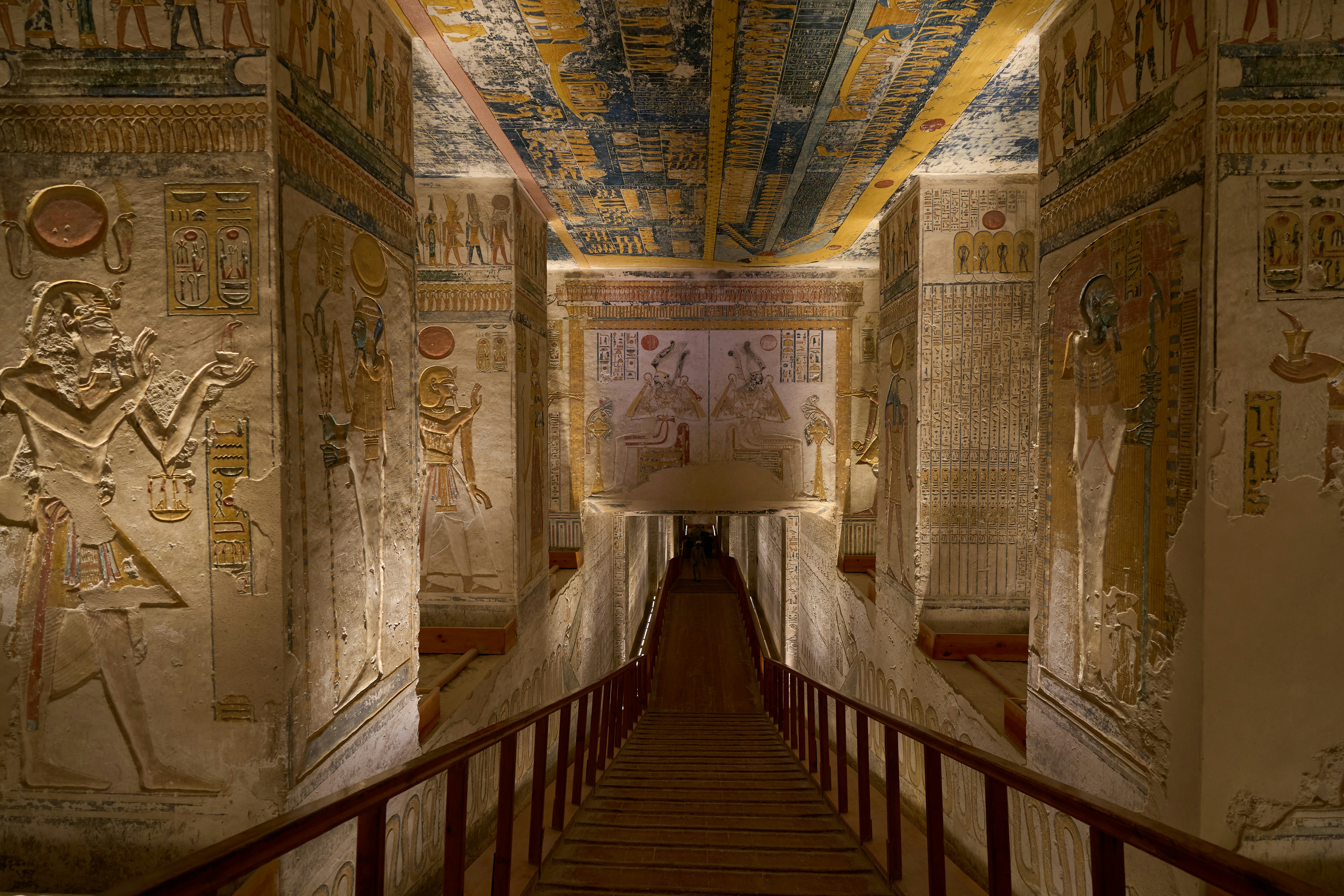
When I talk to guests about the Valley of the Kings, I always emphasize that it’s not just a collection of tombs. It was a sacred space, designed to protect the pharaoh’s journey to the afterlife. Each tomb tells a story, not just of the king buried within, but of the people who built it, decorated it, and guarded it.
────────────────November 4, 1922: The Moment That Changed History
The air in the Valley of the Kings on November 4, 1922, must have been electric. Carter’s team was clearing an area near the tomb of Ramesses VI when a young water boy stumbled upon a step cut into the bedrock. This wasn't just any step; it was the top of a staircase leading down, buried beneath centuries of debris. Carter knew immediately this was significant.
He ordered the excavation to proceed with extreme caution. As they dug deeper, they uncovered a sealed doorway, bearing the unbroken seals of the royal necropolis. This was an incredibly rare find, suggesting the tomb had remained undisturbed since it was sealed. Carter, knowing the importance of his patron, immediately sent a telegram to Lord Carnarvon in England: "Discovered wonderful tomb in Valley; have re-covered same for your arrival; congratulations."
The wait for Carnarvon’s arrival must have felt like an eternity. When Lord Carnarvon, his daughter Lady Evelyn Herbert, and other dignitaries finally arrived in Luxor, Carter was ready. On November 26, 1922, with the world watching, Carter made a small hole in the second sealed doorway. He held a candle inside and peered into the darkness. Lord Carnarvon, impatient, asked, "Can you see anything?" Carter’s now-famous reply was, "Yes, wonderful things."
What he saw was the antechamber of Tutankhamun's tomb, filled with an astonishing array of gilded furniture, chariots, statues, and precious objects. It was a sight that no one had witnessed for over 3,000 years. This moment wasn't just about finding treasure; it was about uncovering a lost chapter of Egyptian history. It’s a story I love sharing with my guests because it embodies the spirit of adventure and discovery that Egypt still offers.
────────────────The Treasures of Tutankhamun: A Glimpse into the Afterlife
The tomb of Tutankhamun (KV62) was remarkably small compared to those of other pharaohs, yet it was packed with over 5,000 artifacts. These items weren't just random possessions; they were carefully chosen to accompany the young king into the afterlife, providing him with everything he might need in the next world.
Among the most stunning discoveries were:
- The Golden Sarcophagus and Death Mask: The centerpiece was the solid gold death mask, weighing over 10 kilograms, placed directly on the pharaoh's mummy. It's one of the most iconic images of ancient Egypt. The mummy itself was nested within three coffins, the innermost one made of solid gold.
- Gilded Chariots: Several dismantled chariots, intricately decorated, were found, showcasing the pharaoh's status and the advanced craftsmanship of the era.
- Furniture and Throne: Exquisite gilded furniture, including beds, stools, and a famous gilded wooden throne depicting the young pharaoh and his wife, Ankhesenamun, were part of the burial.
- Statues and Figurines: Life-sized statues of the king, guardian figures, and smaller deities were placed throughout the tomb.
- Jewelry and Amulets: The amount of intricate gold and semi-precious stone jewelry found was astounding, from necklaces and bracelets to pectorals and rings.
- Weapons and Tools: Daggers, bows, arrows, and other tools were included, perhaps for protection or to maintain his royal duties in the afterlife.
The meticulous organization and preservation of these items offered an unparalleled insight into royal burial practices during the 18th Dynasty. The sheer artistry and craftsmanship involved are breathtaking. When you visit the Grand Egyptian Museum (GEM) in Cairo, seeing these artifacts up close is an experience that stays with you. It’s not just history; it’s human achievement on a grand scale.
For travelers interested in the historical significance of this discovery, I highly recommend our Cairo & Giza private tours. We can arrange visits to the GEM where you can marvel at these treasures firsthand, and I can share stories about their discovery and meaning.
────────────────The Curse of the Pharaohs? Separating Myth from Reality
The discovery of Tutankhamun's tomb was accompanied by sensationalist press reports and the popularization of the "curse of the pharaohs." Lord Carnarvon died just a few months after the tomb’s opening, from an infected mosquito bite that led to blood poisoning. Other individuals associated with the excavation also met untimely deaths over the following years. This fueled the belief that anyone who disturbed the tomb would suffer a terrible fate.
However, a closer examination of the facts reveals a different story. Most people who were involved with the tomb's excavation lived long lives. Howard Carter himself lived for another 16 years after the discovery, dying at the age of 64. The "curse" was largely a media sensation, a dramatic narrative that captured the public's imagination but lacked scientific basis. It’s a fascinating piece of folklore that adds to the mystique of ancient Egypt.
While the idea of a curse is exciting, the real magic of Egypt lies in its tangible history, its enduring monuments, and the stories of the people who built them. The scientific and archaeological work that followed Carter's discovery has provided us with invaluable knowledge, much more profound than any imagined curse.
────────────────Why Choose Bodda Tours for Your Egypt Adventure?
Exploring Egypt, especially sites as historically significant as the Valley of the Kings and the treasures of Tutankhamun, is a profound experience. I want that experience to be as comfortable, insightful, and personal as possible for you.
When you travel with Bodda Tours, you’re not just booking a trip; you’re gaining a local friend who knows Egypt inside out. Here’s what makes a Bodda Tours journey special:
- 100% Private Tours, No Crowds: Forget being herded onto large, impersonal buses. With Bodda Tours, it’s just you, your companions, and your private, comfortable vehicle. This means flexibility, a pace that suits you, and the ability to truly soak in the atmosphere without the rush.
- Korean-Speaking Local Guides: For many travelers, language can be a concern. I understand that. That's why we offer experienced, friendly Korean-speaking local guides who can share the depth of Egypt's history and culture with you clearly and engagingly. No language barriers, just pure immersion.
- Comfort-Focused Travel: We use clean, modern vehicles with air conditioning for all our tours. Door-to-door service is standard, meaning we pick you up from your hotel and drop you back off, making your journey seamless.
- No Scams, No Tricks, No Hidden Fees: This is really important to me. I've built Bodda Tours on trust. We only work with verified sites and services. You'll never encounter hidden fees or surprise charges. The service is transparent, and what you agree to is what you get.
- Authentic Local Experience: I'm Egyptian, born and raised in Cairo. I know this country, its people, and its secrets. I want to share the real Egypt with you, not just the tourist facade.
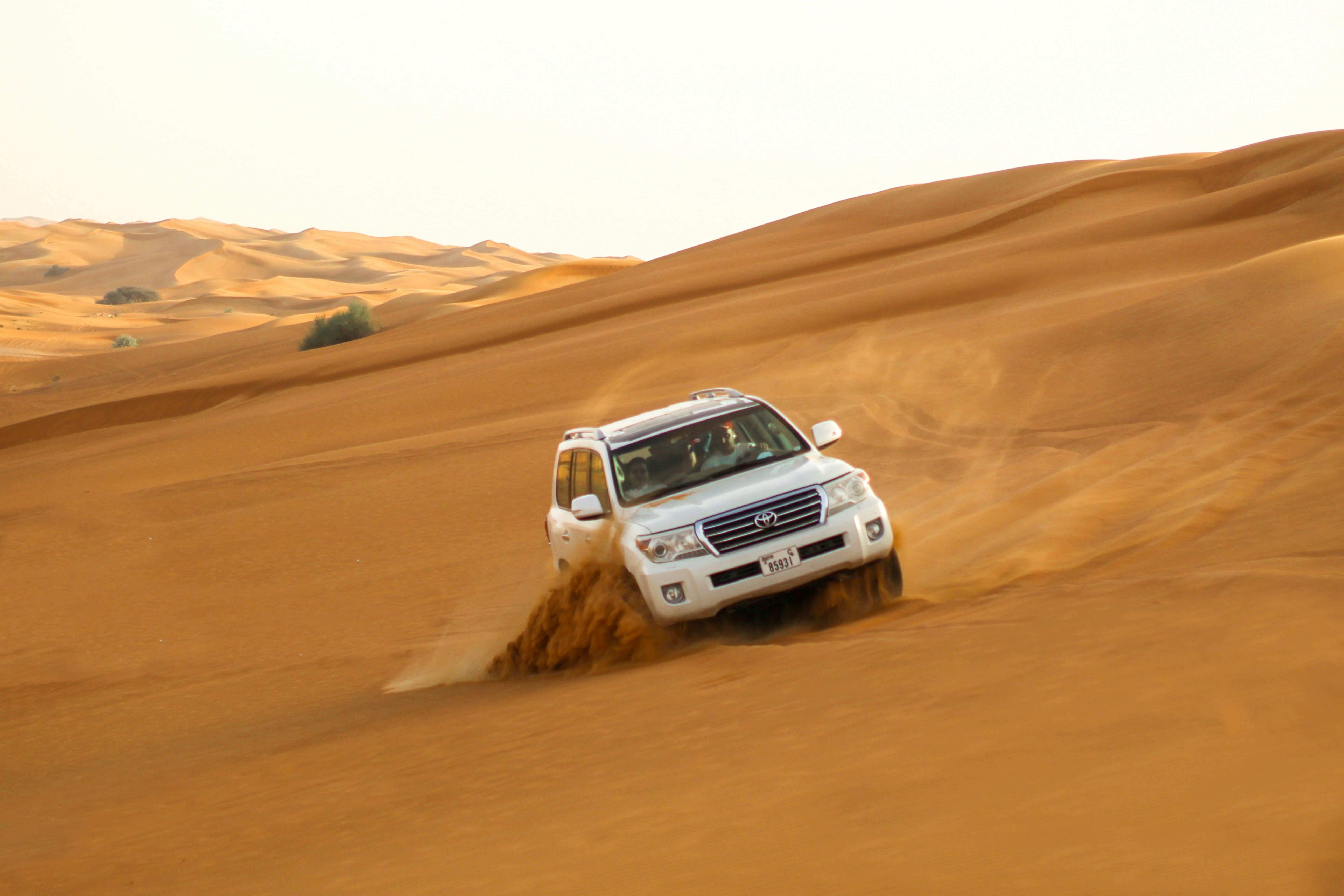
- Real 4x4 Jeeps for Desert Safaris: Especially in places like Siwa Oasis, some operators offer "tuktuk safaris" which are frankly a scam and not a proper desert experience. Bodda Tours uses only real, professional 4x4 jeeps driven by experienced drivers for any desert adventures. Safety and authenticity are paramount.
- Direct Service, Not a Middleman: You're booking directly with me and my team, the people who actually run the tours. This means no agent markups and a direct line of communication for any needs or adjustments.
- Customizable Itineraries: Whether you're passionate about photography, eager to explore local cuisine, or want to spend extra time shopping, we can tailor your itinerary to your interests and pace.
- Commitment to Making it Right: If anything unexpected happens or a delay occurs, we are committed to resolving it and ensuring you are compensated fairly. Your peace of mind is our priority.
When you travel with Bodda Tours, you’re not just seeing Egypt; you’re experiencing it through the eyes of a local who genuinely cares about your journey.
────────────────Planning Your Trip to See Tutankhamun's Legacy
If the story of Tutankhamun and the incredible discoveries made by Carter and Carnarvon ignite your curiosity, then Egypt is calling. The most direct way to connect with this history is by visiting the sites where these discoveries unfolded.
How to Get There:
The primary location to see many of Tutankhamun's treasures is the Grand Egyptian Museum (GEM) in Cairo. For the historical context and the tomb itself (though the original tomb contains only the mummy and sarcophagus, the treasures are now in museums), you must visit the Valley of the Kings in Luxor. Luxor is easily accessible via domestic flights from Cairo (approx. 1 hour) or overnight sleeper trains.
Best Time to Visit:
The ideal time to visit Egypt for comfortable weather is from October to April. The summer months (May to September) can be extremely hot, especially in Upper Egypt like Luxor. For the Valley of the Kings and Cairo, visiting during the cooler months ensures a much more enjoyable experience exploring the ancient sites.
What to Wear:
When visiting religious sites or more conservative areas, it’s respectful to dress modestly. Lightweight, breathable clothing is essential due to the climate. Comfortable walking shoes are a must as you’ll be doing a lot of exploring. For visiting tombs, especially those with detailed wall paintings, light is often restricted to protect the ancient artwork, so a small flashlight can be helpful.
Is it Worth Visiting?
Absolutely. The discovery of Tutankhamun's tomb is one of the most significant archaeological finds of the 20th century. Witnessing these treasures, understanding the context of their discovery, and exploring the ancient sites where they were found offers an unparalleled journey into history. It’s a testament to human ingenuity, artistry, and our enduring fascination with the past.
For a truly immersive experience that connects you with the grandeur of ancient Egypt and the thrill of its discoveries, consider our comprehensive multi-city Egypt packages. These can be customized to include Luxor for the Valley of the Kings, Cairo for the GEM, and even other incredible destinations like Siwa Oasis or Fayoum Oasis for a taste of Egypt's diverse landscapes and history.
────────────────Ready to Explore Egypt's Ancient Wonders? Contact Bodda Tours Today
The story of Tutankhamun's tomb is just one of countless captivating narratives woven into the fabric of Egypt. If you're ready to step into this living history, to feel the sands of time beneath your feet, and to uncover your own ancient wonders, I'd be honored to help you plan your journey.
- Reach out to me directly on WhatsApp: wa.me/201040541153
- Connect via KakaoTalk: open.kakao.com/o/smU92Hfi
- Send an Email: info@boddatours.me
- Visit our Website to see more tour options: boddatours.me
Let's craft an unforgettable private Egypt tour that speaks to your sense of adventure and curiosity. I'm usually online daily from 07:00 to 22:00, ready to answer your questions.
Sources & References
- Egyptian Ministry of Tourism and Antiquities. (Official Government Information Portal).
- UNESCO World Heritage Centre. (The World Heritage List: Ancient Thebes with its Necropolis).
- Hawass, Z. A. (2018). *Tutankhamun: Treasures of the Golden Pharaoh*. National Geographic Books.
- Reeves, N. (2007). *The Complete Tutankhamun: The King, The Tomb, The Royal Treasure*. Thames & Hudson.
![[2026 Egypt Tours] Siwa Oasis Honest Review (Desert Safari & History)](https://boddatours.me/images/hq/siwa-salt-lake-hq.jpg)
![[2026 Egypt Tours] Valley of the Kings (Luxor's Royal Necropolis Deep Dive)](https://boddatours.me/images/hq/luxor-hq.jpg)