![[2026 Egypt Tours] Valley of the Kings (Luxor's Royal Necropolis)](https://boddatours.me/images/hq/westbank-hq.jpg)
The Valley of the Kings: Where Eternity Was Carved
Imagine stepping into a world where time seems to stand still, where the very rock whispers stories of pharaohs, gods, and the endless pursuit of eternal life. That's the feeling I get every single time I stand at the entrance to the Valley of the Kings. It's not just a collection of tombs; it's a breathtaking testament to human ambition, faith, and artistry that has fascinated me since I was a kid growing up in Cairo.
You've probably seen pictures, maybe even documentaries, but nothing truly prepares you for the sheer scale and the vivid colors that still blaze from the walls after thousands of years. It’s a place that makes you pause, breathe deep, and just feel the weight of history all around you.
────────────────Why the Valley of the Kings Captures the Soul
This is where the real magic happens. Forget dusty museums for a moment. Here, you're walking through the final resting places of some of the most powerful rulers in history. It's a feeling of profound awe, a connection to a past so deep it feels almost tangible. I remember my first visit, feeling so small yet so connected to these ancient giants.
A Necropolis Fit for Gods: The Pharaonic Vision
For over 500 years, from roughly the 16th to the 11th century BCE, this remote valley on the west bank of the Nile, opposite modern-day Luxor, served as the royal burial ground for pharaohs of the New Kingdom. Think of rulers like Thutmose I, Amenhotep III, Akhenaten, Tutankhamun, and Ramesses the Great. This was their deliberate choice, a move away from the conspicuous pyramids of earlier dynasties, which had proven too vulnerable to tomb robbers. The pharaohs sought a more discreet, yet equally monumental, way to secure their journey to the afterlife.
The architects and artisans who designed and decorated these tombs were masters of their craft. They weren't just digging holes; they were creating eternal homes, filled with intricate hieroglyphs, vibrant paintings, and symbolic imagery intended to guide the deceased pharaoh through the perils of the underworld and ensure their rebirth in the afterlife. The sheer effort involved in carving these vast chambers deep into the bedrock is mind-boggling.
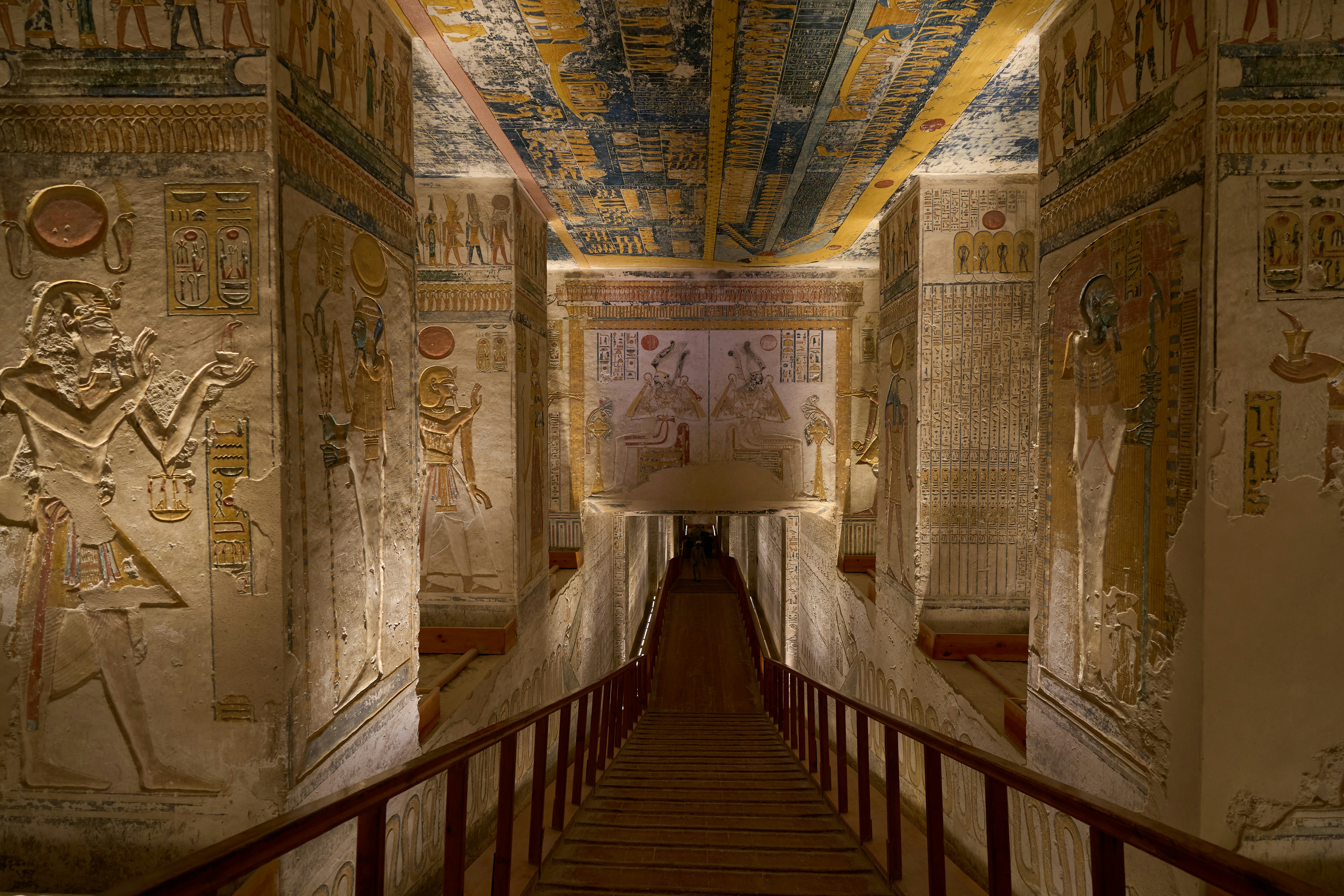
The iconography within the tombs is a rich tapestry of ancient Egyptian religious beliefs. You'll find scenes from the Book of the Dead, depicting spells and rituals to aid the deceased. There are also representations of the pharaoh interacting with various deities, like Osiris, god of the underworld, and Ra, the sun god. The astronomical ceilings in some tombs, like that of Seti I, are incredibly detailed, mapping the stars and constellations and reflecting the ancient Egyptians' sophisticated understanding of the cosmos.
The discovery of Tutankhamun's tomb by Howard Carter in 1922, almost intact, sent shockwaves around the world and ignited a global fascination with ancient Egypt that continues to this day. It gave us an unparalleled glimpse into the wealth and artistry of a New Kingdom burial, even though Tutankhamun himself was a relatively minor pharaoh.
────────────────Navigating the Valley of the Kings: Your Private Journey
Okay, so how do you actually experience this wonder? It can feel a bit overwhelming with so many tombs, but that's where a private tour makes all the difference. I want you to feel relaxed, not rushed, and able to soak it all in. That’s what Bodda Tours is all about.
Getting There: The Path to Immortality
The Valley of the Kings is located on the west bank of the Nile, a short drive from Luxor. Most travelers reach Luxor by overnight sleeper train from Cairo, or by a short domestic flight. Once in Luxor, it's usually a taxi or, for the ultimate comfort, a private car. I always arrange for a clean, air-conditioned vehicle with a professional driver for my guests. It’s a world away from struggling with public transport when you’re already excited and a little tired.
The journey across the Nile and into the desert landscape sets the mood. As you approach, the stark beauty of the Theban hills unfolds, and you start to sense the ancient significance of this place. It’s a journey that builds anticipation beautifully.
What to Expect Inside: A Symphony of Stone and Color
Your ticket typically grants you access to three tombs. The selection can change based on conservation efforts, but the most famous ones are usually open. I always recommend the tombs of Ramesses VI, with its stunning astronomical ceiling, and Ramesses IV, known for its incredible preservation and vibrant colors. Tutankhamun's tomb is usually an extra ticket, and while historically significant, the tomb itself is smaller and less decorated than others; its fame comes from the treasures found within.
The tombs are accessed via pathways carved into the rock. As you descend, the temperature drops, and the air becomes still, carrying the scent of ancient dust and stone. The walls are covered floor to ceiling with relief carvings and paintings. The colors – reds, blues, yellows, greens – are astonishingly vibrant, thanks to the natural pigments used by the ancient artists. It’s like walking through an illuminated manuscript.
You'll see figures of gods, pharaohs, and elaborate scenes depicting the pharaoh's journey through the Duat (the underworld). Pay attention to the details: the expressions on the faces, the precision of the hieroglyphs, the symbolic meaning behind every image. It’s a visual narrative that unfolds as you explore each chamber and corridor.
The sheer depth of some tombs is remarkable. They often have multiple chambers and corridors, designed to confuse and deter tomb robbers. You’ll walk down long passageways, descend steep staircases, and emerge into grand burial chambers where the sarcophagus once lay. It’s an immersive experience that truly transports you back in time.
What to Wear: Respect and Comfort
Comfort is key here, especially with the Egyptian sun. Wear light, breathable clothing. Think cotton or linen. Comfortable walking shoes are essential, as you’ll be doing a lot of walking and descending stairs. A hat and sunglasses are a lifesaver for the walk from the car to the tomb entrances.
For women, and men too, it's respectful to dress modestly. Shoulders and knees should be covered. This shows respect for the local culture and the sacred nature of the site. It's also a good idea to carry a reusable water bottle; staying hydrated is crucial.
────────────────Beyond the Kings: Surrounding Wonders of the West Bank
The Valley of the Kings is just one piece of the incredible puzzle on Luxor's West Bank. I always make sure my guests have time to see other amazing sites. It’s about the whole picture, not just one snapshot.
The Temple of Hatshepsut: A Queen's Monumental Legacy
Just a short drive from the Valley of the Kings is the mortuary temple of Queen Hatshepsut at Deir el-Bahari. This is one of the most architecturally stunning temples in Egypt. Its design, built into a cliff face with three terraced levels, is unlike anything else. Hatshepsut, one of Egypt’s most successful pharaohs, commissioned this magnificent structure to commemorate her reign and her divine birth. The reliefs here tell her story, including the famous expedition to the land of Punt.
The colonnades and courtyards are incredibly well-preserved, and the contrast between the natural rock and the carved sandstone is striking. It’s a place that truly showcases the ambition and artistry of the New Kingdom, and it’s a testament to Hatshepsut’s power and vision.
The Colossi of Memnon: Silent Sentinels
As you drive towards the Valley of the Kings, you'll see the towering Colossi of Memnon. These two massive stone statues of Pharaoh Amenhotep III once guarded the entrance to his mortuary temple, which has long since been destroyed by floods and quarrying. Standing over 18 meters tall, they are impressive even in their ruined state. They’ve stood here for over 3,400 years, silently watching over the Theban plain. Imagine them in their prime, with the rest of Amenhotep III's vast temple complex!
These statues are relics of a bygone era, silent witnesses to the ebb and flow of history. They’ve been admired by travelers for millennia, from ancient Greeks to Roman emperors. It’s a powerful reminder of the scale of construction in ancient Egypt.
The Valley of the Queens: A Different Kind of Royal Burial
While the men ruled the Valley of the Kings, the queens and royal children had their own resting place nearby: the Valley of the Queens (Wadi el-Malikat). The most famous tomb here is that of Queen Nefertari, the principal wife of Ramesses II. Her tomb is renowned for its exceptionally beautiful and detailed hieroglyphic inscriptions and paintings, often considered among the finest in Egypt. Access to Nefertari's tomb is usually restricted and requires a separate, higher ticket due to its delicate state, but if you have the chance, it’s an absolute must-see for its sheer artistic brilliance.
Other tombs in the Valley of the Queens offer insights into the lives and deaths of royal consorts and heirs. The artwork here often has a softer, more intimate feel compared to the grand pronouncements in the royal tombs, focusing on the queen's journey to the afterlife and her relationship with the gods.
────────────────Is the Valley of the Kings Worth It?
Absolutely, yes. Without a doubt. It’s one of those places that lives up to every bit of its reputation. The history, the art, the sheer human endeavor involved – it’s an experience that stays with you long after you leave.
For anyone interested in ancient Egypt, history, or simply breathtaking artistry, the Valley of the Kings is a pilgrimage. It’s a place where you can truly feel the pulse of one of the world’s most enduring civilizations. Seeing the vibrant colors, the intricate carvings, and knowing these were created thousands of years ago for the eternal journey of pharaohs is profoundly moving.
It’s not just a historical site; it’s a spiritual one. It represents a deep-seated belief in an afterlife, a desire for immortality that drove the creation of these magnificent underground palaces. The careful planning, the artistic execution, and the sheer scale of the undertaking are awe-inspiring. It’s a window into a worldview that shaped so much of human history.
────────────────Why Choose Bodda Tours for Your Luxor Adventure?
When I started Bodda Tours, my goal was simple: to share the Egypt I love with travelers in a way that feels authentic, comfortable, and deeply enriching. I’ve heard too many stories from people who had less-than-ideal experiences with big groups or unreliable guides, and I want to offer something different.
- 100% Private Tours: Forget crowded buses and fixed schedules. With Bodda Tours, it’s just you, your companions, and the ancient wonders. We tailor everything to your pace and interests.
- Door-to-Door Comfort: We pick you up from your hotel or airport and drop you off, providing a modern, air-conditioned vehicle for all your transfers. No hassle, just pure exploration.
- No Scams, No Tricks: I’ve lived here my whole life, and I know the ins and outs. We only work with verified sites and ensure a transparent experience. You’ll never encounter hidden fees or unexpected charges with us.
- Korean-Speaking Guides: For my Korean-speaking friends, this is a game-changer. You get clear, nuanced explanations without any language barrier, allowing you to truly connect with the history and culture.
- Real Local Expertise: Bodda Tours is run by Egyptians who are passionate about our country. We're not a reseller; you’re booking directly with people who care about your experience.
- Custom Itineraries: Love photography? Want to explore local markets? Interested in specific historical periods? We can customize your itinerary to match your passions.
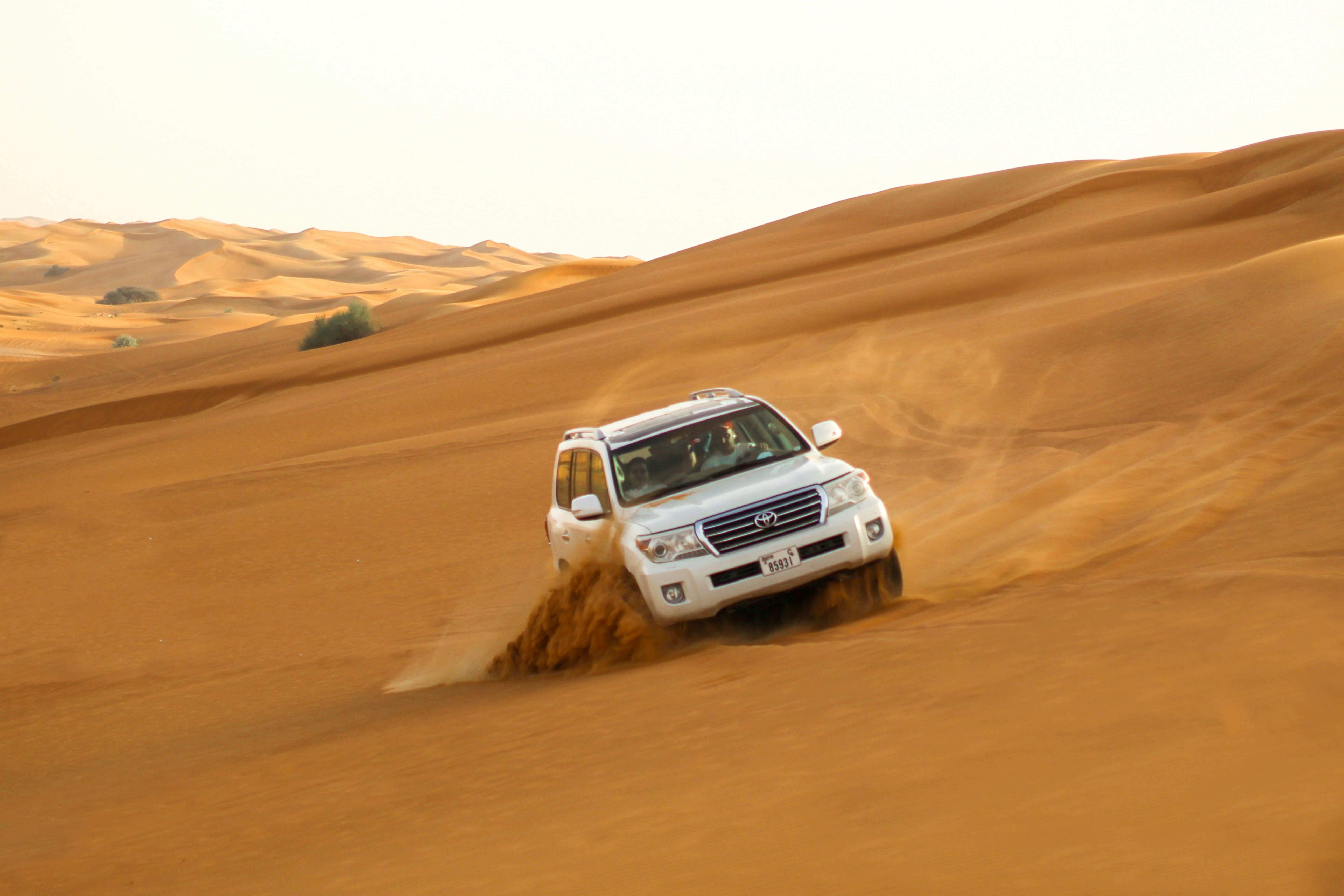
- No Tuktuk Fake Safaris: Especially in places like Siwa Oasis, some operators offer fake "tuktuk safaris." Bodda Tours only uses professional 4x4 jeeps for desert adventures, ensuring safety and authenticity.
- Service You Can Trust: If anything unexpected happens, we’re here to make it right. Your comfort and satisfaction are my top priority.
I want you to leave Egypt with memories that will last a lifetime, feeling like you’ve truly experienced the heart and soul of this incredible land. That’s the Bodda Tours promise.
────────────────Ready to Explore Luxor's Royal Past? Contact Bodda Tours Today
Let me help you plan an unforgettable journey to the Valley of the Kings and beyond. I’m here to answer all your questions and craft the perfect private Egypt tour for you.
- WhatsApp: wa.me/201040541153
- KakaoTalk: open.kakao.com/o/smU92Hfi
- Email: info@boddatours.me
- Website: boddatours.me
Sources & References
- UNESCO World Heritage Centre - Historic City of Thebes: whc.unesco.org/en/list/87/
- Egyptian Ministry of Tourism and Antiquities: Official website (specific page for Valley of the Kings is often updated, general site is a good reference)
- Wikipedia - Valley of the Kings: en.wikipedia.org/wiki/Valley_of_the_Kings
![[2026 Egypt Tours] Valley of the Kings (Luxor's Royal Necropolis Deep Dive)](https://boddatours.me/images/hq/luxor-hq.jpg)
![[2026 Egypt Tours] Siwa Oasis Honest Review (Desert Safari & History)](https://boddatours.me/images/hq/siwa-salt-lake-hq.jpg)